7 Russia Oil Tankers Divert From China to India in Fresh Trade Shift Amid Sanctions Pressure
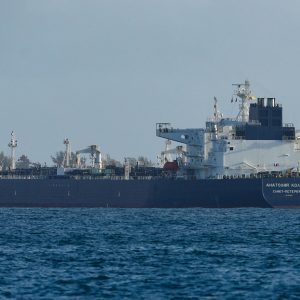
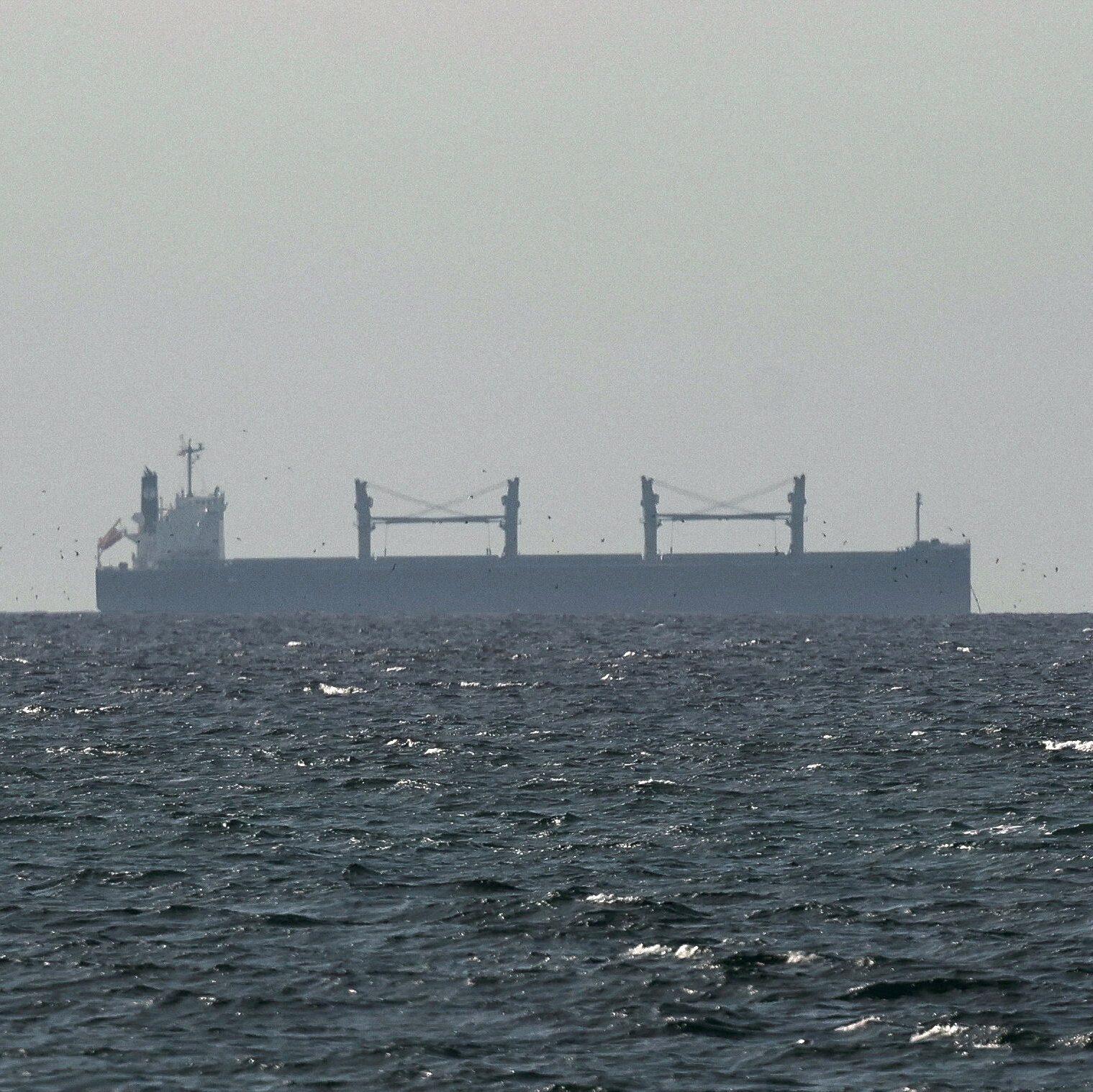
A fresh twist has emerged in global energy trade, with seven Russian oil tankers that were originally headed for China reportedly changing course and sailing toward India instead. The development highlights how buyers, shippers and refiners are rapidly adjusting routes as sanctions pressure, freight risks and market calculations continue to reshape crude flows from Russia.
The diversion of these tankers is significant because it underlines India’s growing role as a major buyer of discounted Russian oil. Since Western sanctions and price-cap restrictions disrupted Moscow’s traditional export channels, India has become one of the biggest destinations for Russian crude. The latest rerouting suggests that even cargoes initially meant for other Asian buyers can now be redirected if commercial conditions make India the more attractive option.
At the heart of the matter is the flexibility built into today’s oil trade. Cargoes at sea are often redirected based on refinery demand, shipping availability, payment mechanisms, insurance issues and changes in price differentials. In this case, the tankers’ U-turn toward India points to a market where Russian exporters and intermediaries are searching for the most viable and profitable destination under increasingly complex trading conditions.
For India, the move could reinforce its position as a strategic refining hub. Indian refiners have spent the past two years buying large volumes of Russian crude at discounted rates, processing it domestically and, in some cases, exporting refined fuels to global markets. Access to additional cargoes can help keep feedstock costs lower for refiners at a time when geopolitical tensions remain elevated and energy markets are sensitive to supply disruptions.
The rerouting may also reflect softer immediate Chinese appetite for those particular cargoes, or operational issues linked to delivery timing, port access or financing. China remains a major buyer of Russian energy, but it has a wider range of supply options and stronger bargaining power. India, by contrast, has demonstrated an aggressive willingness to absorb opportunistic barrels when price and logistics align in its favor.
This episode also throws light on the broader shadow-fleet economy that has expanded around Russian oil exports. Since the imposition of Western sanctions, many cargoes have moved through complicated shipping structures involving non-Western insurers, obscure ownership chains and vessel transfers. A mid-voyage destination change is another sign of how fluid and opaque these trades can become in the current environment.
For global oil markets, the redirection of seven tankers may not by itself transform supply-demand balances, but it sends an important signal. Trade routes are becoming more dynamic, and Asian buyers are increasingly central to how Russian oil finds its way into the market. Every such diversion adds to evidence that the old map of global energy flows has been fundamentally redrawn.
The development could also have implications for freight rates and regional refinery margins. If more cargoes are redirected to India, it may improve crude availability for Indian refiners while changing tanker demand patterns across Asian routes. Traders will be watching whether this is a one-off logistical adjustment or part of a broader shift in buying behavior.
Ultimately, the rerouting of these China-bound Russian oil tankers to India captures the new reality of global crude trade: sanctions may have disrupted traditional supply chains, but they have also created a more opportunistic, rerouted and highly adaptive market. India’s importance in that market continues to rise, and developments like this show how quickly the balance can tilt when economics, diplomacy and logistics collide.
This article may be prepared with the assistance of artificial intelligence (AI) and is reviewed before publication. While we aim for accuracy and timeliness, readers should verify important facts from official or primary sources. If you believe any information is inaccurate or that any content infringes your rights, please contact ainewsbreaking.com for review and appropriate action.