Europe warns of Russia’s hybrid attacks but struggles to counter them
  Former chief election commissioner calls SIR scheme illegal.
  A Corruption Scandal Is Reshaping Brazil’s Presidential Election
  US citizen injured in Illinois after ICE agents mistook him for fugitive, tried to arrest him
  At 10 years old, Smithsonian’s Black museum is undaunted amid pressure from Trump administration
 Ladakh Activists Demand Statehood as Union Home Minister Visits
** In a bid for statehood and equality, the people of Ladakh are demanding justice and recognition from the Indian government. As the Union Home Minister prepares to visit, tensions are escalating, and the fate of this small but fiercely resilient community hangs in the balance.
Field Report: Ladakh’s Quest for Trust and Statehood
In the rugged, snow-capped mountains of Ladakh, a region nestled in the far north of India, the people are yearning for justice and equality.
For nearly a year, the residents of this former Kingdom have been demanding statehood and inclusion in the Sixth Schedule of the Indian Constitution.
Updated: April 27, 2026
Field Report: Ladakh’s Quest for Trust and Statehood
In the rugged, snow-capped mountains of Ladakh, a region nestled in the far north of India, the people are yearning for justice and equality. For nearly a year, the residents of this former Kingdom have been demanding statehood and inclusion in the Sixth Schedule of the Indian Constitution. Their quest for empowerment is fueled by a sense of marginalization and the feeling that their voices are being ignored.
The situation escalated dramatically last year when 83 protesters were detained by the government. These individuals, including many prominent activists, were charged under draconian laws that have sparked intense controversy. Wangchuk, a respected activist and key figure in the protest movement, insists that the government must withdraw the cases against these individuals if genuine trust is to be built between the administration and the people.
We want the government to take concrete steps to address our concerns, Wangchuk explained, his voice filled with conviction. We are not demanding the moon; we just want to be treated as equals and have our rights recognized. As we spoke, Wangchuk’s eyes gazed out towards the snow-capped peaks, a testament to the enduring bond between the land and its people.
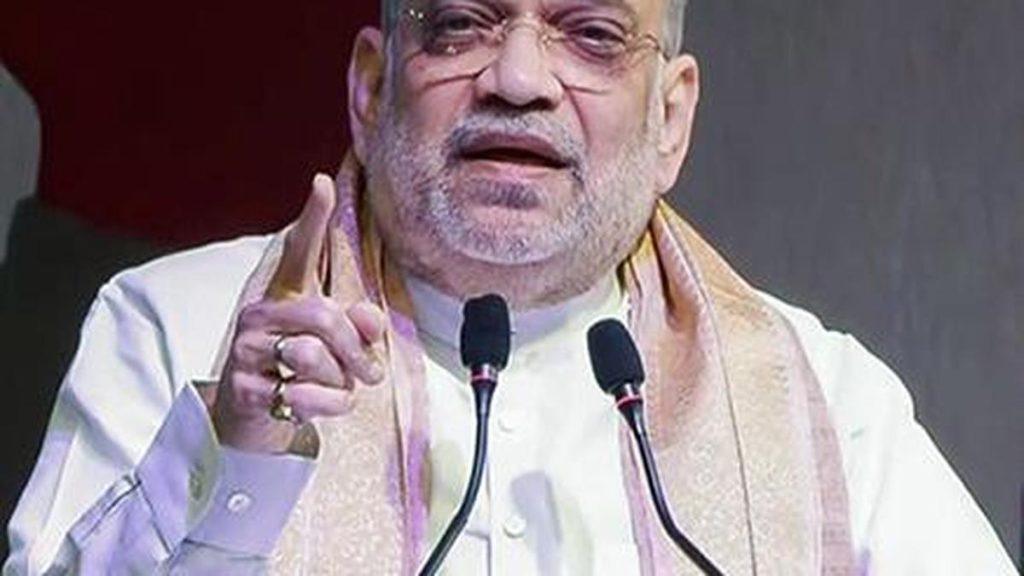
Meanwhile, in New Delhi, the government has announced that the Union Home Minister will visit Ladakh on April 30. While this news has sparked mixed reactions, many are skeptical about the intent behind the visit. Activists fear that the government will use this opportunity to placate them with empty promises rather than taking meaningful action to address their concerns.
In a bid to assuage some of these concerns, the Lieutenant Governor of Ladakh, Radha Krishna Mathur, has announced the creation of five new districts in the region. This move is seen as a nod towards decentralization and greater autonomy for the people of Ladakh.
However, the broader implications of these developments are far from reassuring. In an era where dissent is often met with repression, the struggles of Ladakh’s people serve as a poignant reminder of the need for greater accountability and transparency in governance. As the region’s residents continue to yearn for statehood and inclusion, their struggle also highlights the inherent value of human rights and dignity in a rapidly changing world.
The fate of Ladakh, its people, and their future hangs in the balance. The coming weeks will be a defining moment for this small but fiercely resilient community, and we will be watching closely as events unfold.
Here's a 2-line insight with interpretation:
As Ladakh's residents demand statehood and equality, their fight serves as a microcosm for India's broader struggle with decentralization and representation. This grassroots movement highlights the value of listening to marginalized voices, and whether the government is truly committed to forging trust through meaningful action or just empty promises.
This is a developing story. More updates will follow as new information becomes available.