
 Trying to establish ‘facts’ about incident ‘apparently’ involving Indians on yacht off Yemen coast: India
  Powerful Earthquake in Tibet Kills at Least 16
  How Pastors Mobilize Communities in Congo’s Fight Against Ebola
  Gadi Eisenkot
 Madras High Court Rules Against Muslim Convert Reservations
** In a landmark judgment, the Madras High Court has ruled that a convert to Islam cannot claim the status of a Backward Class Muslim, citing Quranic injunctions that promote equality and brotherhood among all individuals, regardless of their social or economic background. The decision has sparked a debate among Muslim scholars and leaders, with some welcoming the ruling as a reaffirmation of Islamic principles, while others argue that it ignores the socio-economic realities of many Muslim converts.
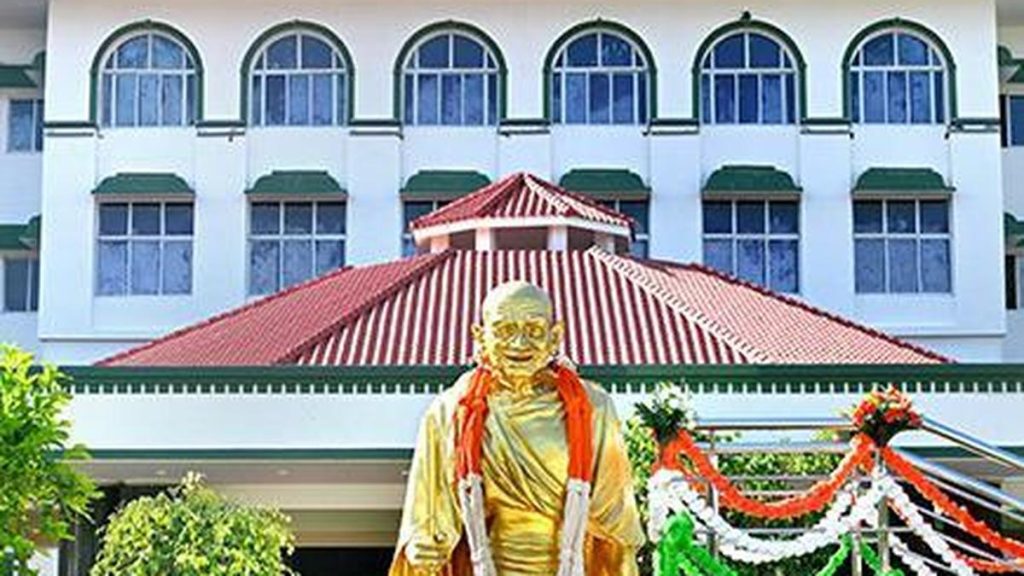
Madras High Court Ruling on Backward Class Muslims Sparks Debate In a landmark judgment, the Madras High Court’s Madurai Bench has ruled that a convert to Islam cannot claim the status of a Backward Class Muslim. The decision was made in a case where a Muslim convert sought to avail of reservations and benefits meant for the community’s backward classes. The bench, comprising Justice R..
Shanthagopal, held that categorising certain sects as Backward and the remaining as Forward is antithetical to Quranic injunctions. The court observed that Islam seeks to establish an egalitarian society, where people are judged on their individual merits and not on their social or economic background. It cited the Quranic verse, O mankind, indeed We have created you from male and female and made you peoples and tribes that you may know one another (49:13), to underscore the point that Islam promotes brotherhood and equality..
The bench stated that a convert to Islam cannot claim to be part of the Backward Class simply because they have adopted the faith. The judgment has sparked a debate among Muslim scholars and leaders, with some welcoming the decision as a reaffirmation of Islamic principles. The Quran explicitly teaches us that all humans are equal in the eyes of God..
This judgment upholds that principle and encourages people to focus on their individual merit rather than their background, said a senior Muslim scholar. Others, however, argued that the decision ignores the socio-economic realities of many Muslim converts who face significant challenges in accessing education and employment opportunities. The case at hand involved a Muslim convert who had moved from a Forward Class to a Backward Class in order to benefit from reservations in government jobs and educational institutions..
However, the court argued that this move was an attempt to exploit the benefits meant for the community’s backward classes, rather than a genuine attempt to alleviate poverty and social inequality. The bench noted that the convert had not shown any tangible evidence of economic or social backwardness and had merely adopted the name and faith. The court’s decision has significant implications for the Indian government’s policies on reservation and affirmative action..
Currently, the government provides reservations to Muslim Backward Classes in education and employment, but this decision could lead to a re-evaluation of these policies. Many experts argue that the ruling could have far-reaching consequences, potentially affecting millions of Muslim converts across the country. While the court’s decision has been widely welcomed by Muslim scholars, it has also sparked resistance from some Muslim organisations..
This judgment is an attack on the rights of Muslim converts who genuinely wish to benefit from these reservations. We will appeal against this decision and ensure that the voices of these individuals are heard, said a spokesperson for a prominent Muslim organisation. However, the Madras High Court’s ruling has also been seen as a step in the right direction by some Muslim leaders..
For too long, we have been obsessed with categorising people as Forward or Backward based on their social background. This judgment reminds us that Islam promotes equality and merit-based promotion, said a leader of a prominent Muslim organisation. In a statement, the court’s ruling has also been welcomed by secular and human rights groups, who see it as a vindication of their long-standing argument that reservations based on caste or social background are a form of discrimination..
This judgment is a major victory for those who believe that equality and merit should be the guiding principles of reservation policies, said a spokesperson for a human rights group. However, not everyone is convinced by the court’s decision. Some Muslim groups argue that the ruling ignores the historical and socio-economic context of the Muslim Backward Classes..
The Muslims of this country have faced centuries of marginalisation and exclusion. This judgment dismisses their struggles and ignores the systemic barriers they face, said a spokesperson for a Muslim organisation. The Madras High Court’s ruling is expected to have far-reaching implications for the Indian government’s policies on reservation and affirmative action..
As the debate continues, many experts argue that a more nuanced approach is needed to address the complex issues surrounding reservations and affirmative action. The court’s decision is an opportunity for us to re-examine our policies and ensure that they are fair and equitable for all, said an expert. The Muslim Backward Classes have a long and complex history in India, dating back to the Mughal Empire..
Historically, they were granted privileges and reservations by Muslim rulers, which were later rescinded by the British colonial authorities. Today, the Muslim Backward Classes continue to face significant socio-economic challenges, including limited access to education and employment opportunities. As the debate continues, many Muslim leaders are calling for a more compassionate and nuanced approach to address the issues surrounding the Muslim Backward Classes..
We need to recognise the struggles of these communities and work towards creating a more inclusive and egalitarian society, said a leader of a prominent Muslim organisation. The Madras High Court’s ruling is a step in the right direction, but it is clear that much work needs to be done to create a truly just and equal society. The ruling has significant implications for the Indian government’s policies on reservation and affirmative action..
The government may need to re-evaluate its policies and ensure that they are fair and equitable for all. The Madras High Court’s decision has sparked a much-needed debate about the role of reservations and affirmative action in promoting social justice and equality. As the debate continues, many experts argue that a more nuanced and compassionate approach is needed to address the complex issues surrounding these policies..
Updated: June 26, 2026
Insight: This ruling has profound implications for India’s social hierarchy, potentially reshuffling the way the country approaches affirmative action and reservation policies, forcing a national conversation about what it truly means to champion equality and egalitarian society. The verdict also raises questions about the role of personal conviction in determining one’s social standing, and how this might redefine the relationship between personal freedom and collective social welfare.