
 Major UK air traffic control failure disrupts flights: Heathrow, Manchester hit; EasyJet, British Airways warn of delays
  UK Imposes Sanctions on Israeli Settlements in West Bank, Accuses Settlers of Ethnic Cleansing
  Four arrested in connection with theft of earth movers in custody in Keralam’s Idukki
  Canadian Jet Maker Is Target in Trump’s Trade War
 Iran War Escalates: Tehran Launches Retaliatory Strikes on Bahrain and Kuwait After US Bombs Iranian Coast
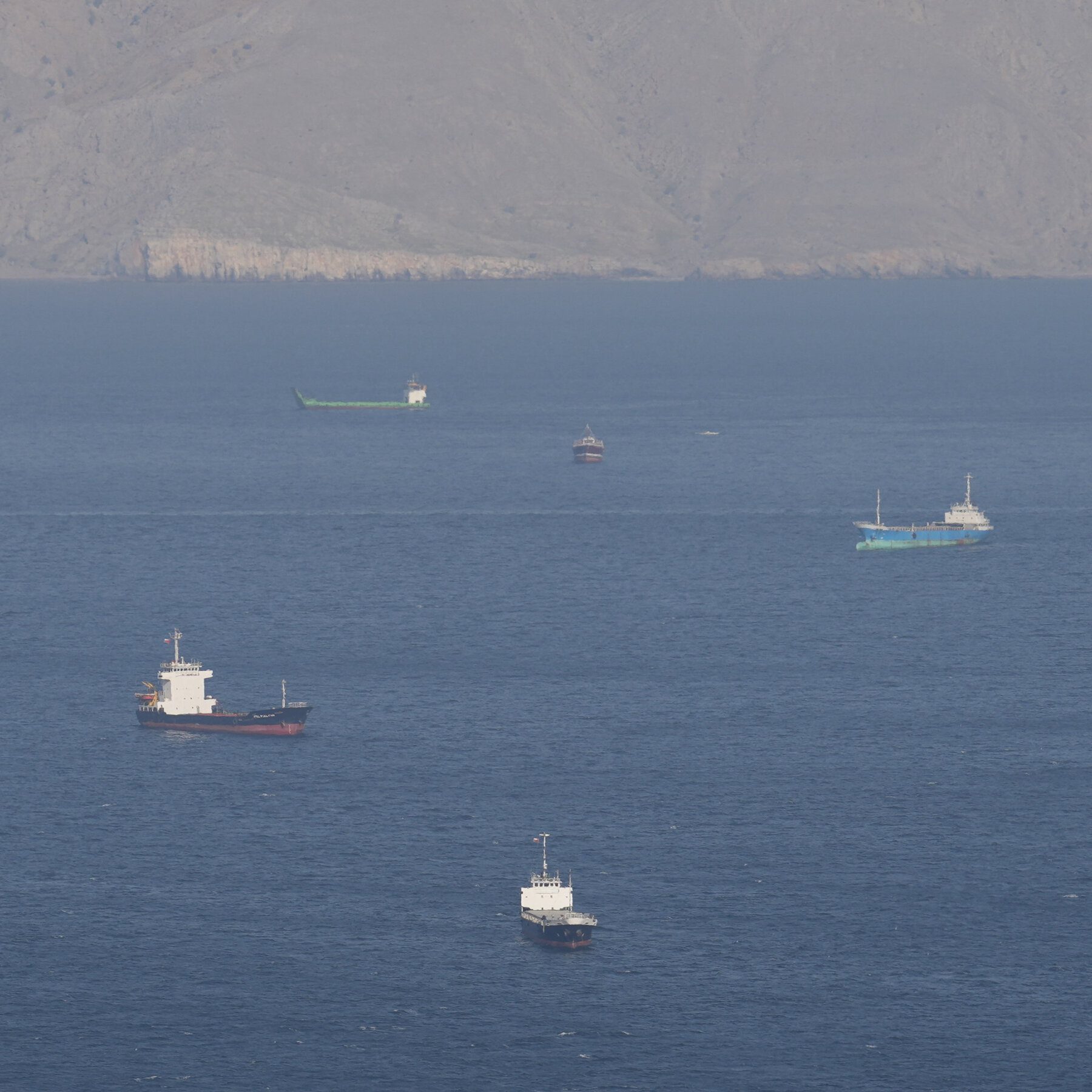
iran escalates tehran launches:
The conflict between Iran and the United States has entered a dangerous new phase after Tehran launched missile and drone attacks targeting U.S.-linked military facilities in Bahrain and Kuwait in retaliation for American airstrikes on Iranian coastal military sites. The escalation has heightened security concerns across the Persian Gulf, prompted Gulf nations to activate air defenses, and raised fears of a wider regional war that could disrupt global energy supplies and international shipping through the Strait of Hormuz. Diplomatic efforts to ease tensions now face a significant setback as both sides remain on high alert.
- Iran has launched missile and drone attacks targeting U.S.-linked military facilities in Bahrain and Kuwait after fresh American strikes on Iranian coastal military infrastructure.
- The escalation marks another major setback to recent diplomatic efforts and raises fears of a wider regional conflict across the Persian Gulf.
Latest Developments
The conflict between Iran and the United States has intensified dramatically after Tehran carried out retaliatory strikes against targets in Bahrain and Kuwait following U.S. attacks on Iranian coastal military installations.
According to Iranian state-linked reports, the Islamic Revolutionary Guard Corps (IRGC) launched missiles and drones at U.S. military facilities in the two Gulf nations, describing the operation as retaliation for what it called American aggression against Iranian territory.
The U.S. military had earlier announced strikes on Iranian military assets, including surveillance systems, drone facilities, air-defense installations, and other strategic targets near the Persian Gulf, saying the action was a response to continued Iranian attacks threatening maritime security in the Strait of Hormuz.
Iran Retaliates After US Military Strikes: Tensions across the Middle East have escalated sharply as Iran carried out retaliatory missile and drone strikes against Bahrain and Kuwait following fresh U.S. military attacks on Iranian coastal targets. The exchange marks one of the most serious confrontations between Washington and Tehran in recent years, raising concerns that the conflict could spread across the Gulf region.
According to Iranian officials, the strikes were aimed at military facilities used by the United States in Bahrain and Kuwait. Tehran described the attacks as a direct response to American airstrikes that targeted Iranian military infrastructure along the country’s southern coastline overlooking the Persian Gulf.
The United States has confirmed conducting operations against Iranian military assets, saying the strikes were intended to degrade capabilities that threatened regional security and international shipping lanes.
Bahrain and Kuwait on High Alert
Authorities in Bahrain activated air raid sirens and urged residents to seek shelter as projectiles approached the kingdom. Kuwaiti air-defense systems were also activated to intercept incoming missiles and drones. Initial official statements indicated there were no immediate reports of significant U.S. casualties, although damage assessments were continuing.
Iran claimed it targeted:
- U.S. military facilities in Kuwait.
- The U.S. Fifth Fleet headquarters in Bahrain.
American officials have acknowledged the attacks but disputed some Iranian claims regarding the extent of the damage.
Strait of Hormuz Tensions Rise
The latest exchange has renewed concerns over security in the Strait of Hormuz, one of the world’s most important oil shipping routes. Shipping traffic has slowed as military activity increases, raising fears of disruptions to global energy supplies.
Peace Efforts Under Pressure
The renewed fighting comes despite recent diplomatic efforts aimed at reducing tensions between Washington and Tehran. Both sides have accused each other of violating understandings reached earlier, with each claiming its military actions were defensive responses to prior attacks.
The latest escalation significantly increases the risk of a broader regional conflict involving Gulf states that host U.S. military bases. Continued exchanges could affect:
- Regional security across the Middle East.
- International shipping through the Strait of Hormuz.
- Global oil prices and energy markets.
- Diplomatic efforts to restore stability.
The situation remains highly fluid, and officials from multiple countries are closely monitoring developments for signs of further escalation.
The latest exchange between the United States and Iran underscores how quickly localized military actions can evolve into a broader regional crisis. With Bahrain and Kuwait hosting critical U.S. military assets and the Strait of Hormuz serving as one of the world’s most vital energy corridors, even limited retaliation carries global economic and security implications. Unless diplomatic efforts regain momentum, continued military escalation could destabilize the Gulf, disrupt international trade and energy supplies, and increase the risk of a wider conflict involving multiple regional powers.