 CSD urges govt to drop Gram Sabha consent rule for projects
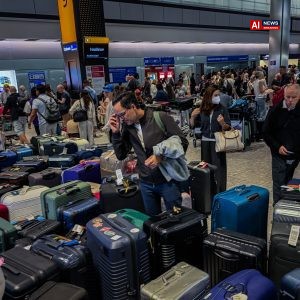
  NATS glitch causes major Heathrow flight delays and cancellations
  Yemen Tilts Toward Full-Scale War as Saudi-Houthi Clashes Escalate
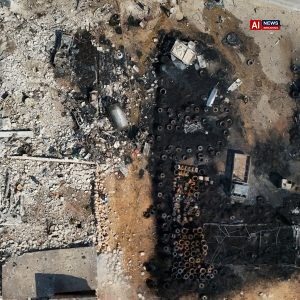
  Syrian weapons depot explosion kills 14 in Idlib
 US-Iran Peace Talks Face Fresh Uncertainty as Tehran Denies Scheduled Doha Meeting Despite Trump’s Claim
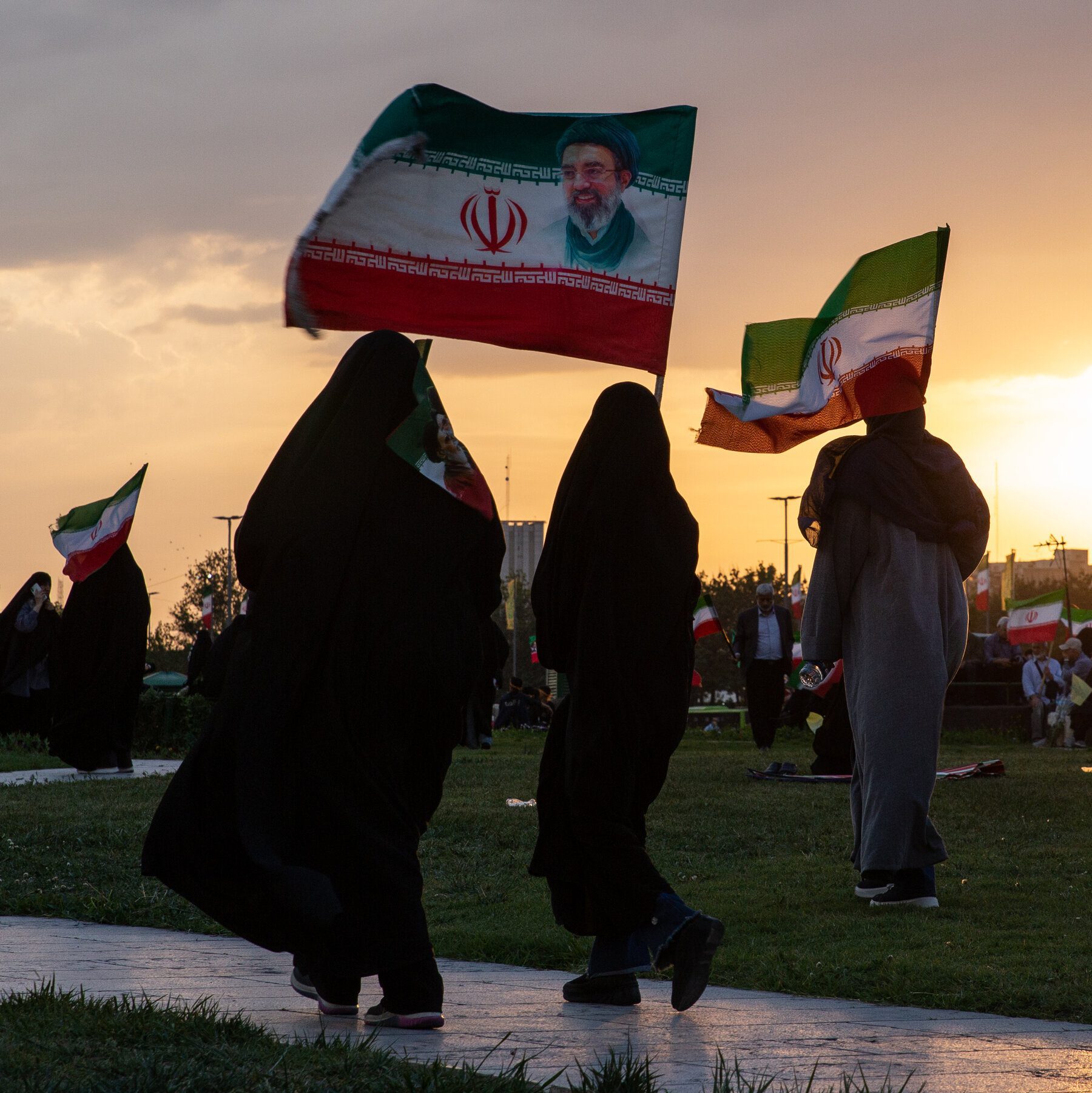
usiran peace talks face:
A fragile pause in hostilities between the United States and Iran remains under strain after President Donald Trump announced that peace talks would take place in Doha, Qatar. However, Iranian officials have denied that any direct negotiations with the US have been scheduled, raising fresh doubts over efforts to preserve the ceasefire and stabilize the Strait of Hormuz.
Trump Announces Doha Talks, Iran Rejects Claim
Hopes for renewed diplomacy between Washington and Tehran have become uncertain after conflicting statements from both sides over planned negotiations in Qatar.
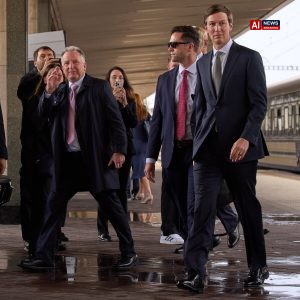
President Donald Trump said the United States and Iran would hold talks in Doha, describing the meeting as an important opportunity to move toward a broader peace agreement. According to the White House, senior US envoys were expected to travel to Qatar for discussions aimed at preserving the fragile ceasefire reached earlier this month.
Iran, however, quickly disputed the announcement. Iranian officials said no direct talks with US representatives had been scheduled and insisted that any delegation traveling to Qatar would only participate in technical discussions related to maritime security rather than formal political negotiations.
Fragile Ceasefire Under Pressure: The diplomatic confusion follows several days of renewed military exchanges that tested the ceasefire agreed between the two countries.
Over the weekend, both sides accused each other of violating the truce after missile strikes, attacks on military facilities and incidents involving commercial shipping in the Strait of Hormuz heightened regional tensions. Despite the renewed violence, officials from both countries later agreed to temporarily halt direct attacks in an effort to prevent a wider escalation.
The ceasefire remains fragile, with diplomats attempting to prevent the conflict from expanding across the Gulf region.
Strait of Hormuz Remains Central Issue: The Strait of Hormuz continues to be the primary focus of negotiations.
The narrow waterway carries a significant share of global oil exports, making any disruption a major concern for international energy markets.
Recent attacks on merchant vessels and heightened naval activity caused commercial shipping through the strait to slow sharply. Maritime tracking data showed vessel traffic fell dramatically after renewed exchanges of fire, increasing concerns over global energy supplies.
Iran has described the security situation in the strait as “sensitive and complex,” while the United States has emphasized the need to guarantee freedom of navigation.
Oil Markets Watch Diplomatic Developments: Financial markets are closely monitoring developments in Doha.
Oil prices eased modestly as investors welcomed the temporary pause in fighting, although uncertainty surrounding future negotiations continues to weigh on market sentiment. Gulf stock markets also traded cautiously amid doubts about whether meaningful diplomatic progress can be achieved.
Analysts warn that any renewed disruption to shipping in the Strait of Hormuz could quickly reverse recent declines in crude prices.
Regional Security Concerns Continue: Beyond the US-Iran confrontation, tensions remain elevated across the wider Middle East.
The conflict has affected regional shipping, military deployments and diplomatic efforts involving several Gulf countries. Parallel negotiations concerning Hezbollah and southern Lebanon also remain unresolved, adding another layer of complexity to regional diplomacy.
Regional governments continue to support efforts aimed at preventing further escalation while encouraging diplomatic engagement.
Doha’s Role as Mediator: Qatar has emerged as a key diplomatic venue for efforts to reduce tensions between Washington and Tehran.
Although direct negotiations remain disputed, Doha continues to host technical and diplomatic contacts involving multiple regional stakeholders.
Whether these engagements develop into formal political talks will largely determine the future of the current ceasefire.
What Happens Next?
The immediate future depends on whether both governments can overcome disagreements over the negotiation process.
If dialogue resumes, diplomats are expected to focus on:
- Maintaining the ceasefire.
- Protecting commercial shipping in the Strait of Hormuz.
- Preventing further military escalation.
- Addressing broader security and nuclear-related issues.
- Building confidence for future diplomatic engagement.
For now, Washington maintains that diplomacy remains possible, while Tehran continues to deny that any direct bilateral talks are planned.
The latest developments illustrate how fragile crisis diplomacy can become when public statements diverge from official negotiating positions. Even if direct US-Iran talks are not immediately taking place, continued technical engagement through intermediaries such as Qatar may help prevent accidental escalation in one of the world’s most strategically important regions. As long as the Strait of Hormuz remains vulnerable to disruption, diplomatic communication will remain critical not only for regional security but also for global energy markets, international shipping and economic stability.