 CSD urges govt to drop Gram Sabha consent rule for projects
  NATS glitch causes major Heathrow flight delays and cancellations
  Yemen Tilts Toward Full-Scale War as Saudi-Houthi Clashes Escalate
  Syrian weapons depot explosion kills 14 in Idlib
 Kerala faces fiscal deficit
Kerala is facing a severe fiscal crisis, with a growing deficit and stagnant economic growth. The state government is under pressure to increase revenue and reduce dependence on central grants, with experts calling for innovative measures to boost revenue and simplify the tax system.
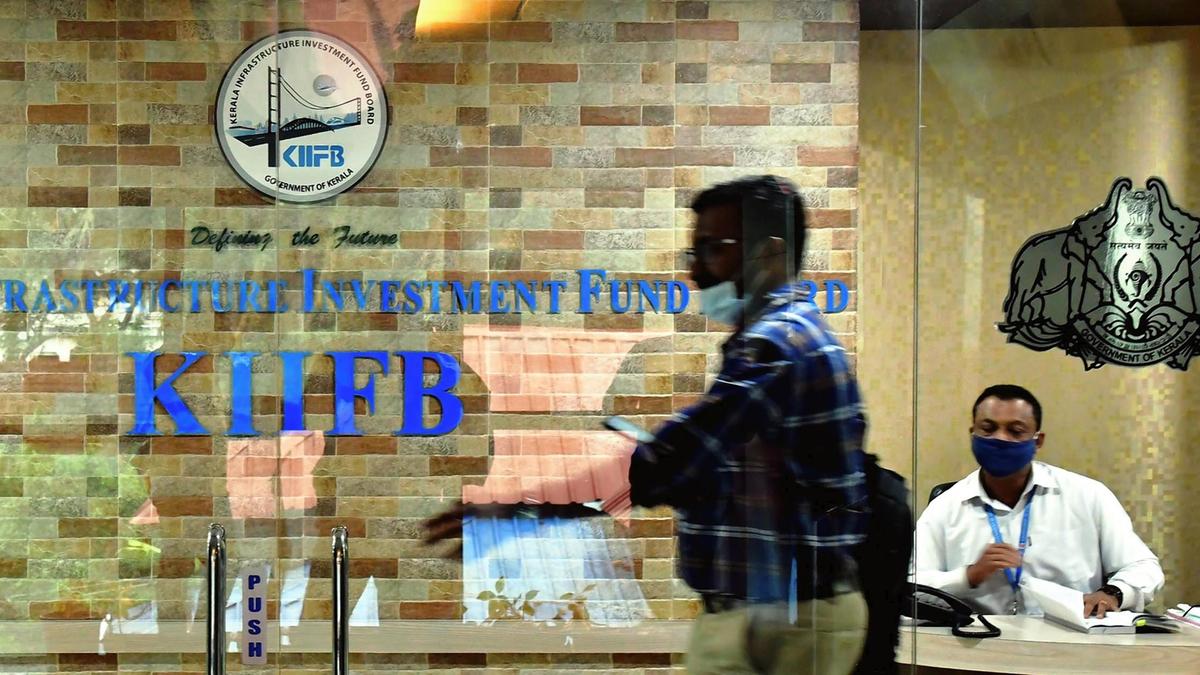
Damocles’ sword over Kerala’s fortunes The state of Kerala in southern India has been grappling with severe financial constraints, necessitating a concerted effort from the government to increase revenue within its fiscal framework. The recent budget session highlighted the precarious financial position of the state, with revenue collection falling short of the projected targets. Kerala’s finance minister has stressed the need for innovative measures to enhance revenue, underscoring the urgency of the situation..
The state’s fiscal deficit has been escalating steadily over the years, putting a strain on its resources. With a growing population and rising expenditure on social welfare schemes, Kerala is finding it increasingly difficult to balance its books. The government has introduced various tax reforms, but the response from taxpayers has been lukewarm, with many complaining about the complexity of the tax system..
Experts argue that the state needs to adopt a more efficient and taxpayer-friendly approach to boost revenue. Kerala’s economic growth rate has been stagnant in recent years, with the per capita income growth slowing down significantly. The state’s industrial base is still relatively underdeveloped, limiting its potential for growth..
The government has set ambitious targets for industrial development, but the lack of infrastructure and connectivity issues continue to hinder progress. Moreover, the state’s dependence on the construction sector, which has traditionally been a major driver of growth, has become a concern due to the slowdown in the industry. The slowdown in the construction sector has resulted in a significant decline in government revenues from Stamp Duty and Registration Fee (SDRF)..
This has further narrowed the state’s fiscal space, making it challenging to implement its ambitious social welfare schemes. While the state has made efforts to diversify its revenue streams, including the introduction of GST (Goods and Services Tax) and liquor policy reforms, much remains to be done to address the fiscal challenges. The opposition party has been vocal in its criticism of the government’s handling of the fiscal crisis, alleging that the ruling coalition has mishandled the state’s finances over the years..
The party’s leader has accused the government of resorting to desperate measures, such as resorting to short-term loans and debt consolidation, which could have long-term implications for the state’s financial stability. The opposition has also sought to shift the focus to the need for structural reforms to address the underlying issues. The opposition’s stance is echoed by experts, who stress the need for fundamental reforms in the state’s taxation and revenue collection systems..
They argue that the state’s current tax system is opaque and complex, making it difficult for taxpayers to comply. Simplifying the tax system, introducing more taxpayer-friendly measures, and increasing transparency in revenue collection would go a long way in boosting revenue for the state. On the other hand, the ruling coalition has defended its efforts to manage the fiscal crisis, citing the implementation of major infrastructure projects, including the upcoming Vizhinjam seaport and the ongoing Kochi Metro project..
The government claims that these projects would not only boost economic growth but also create employment opportunities, thereby reducing the burden on the exchequer. However, critics say that these projects are largely driven by populist politics and lack a clear revenue generation plan. The central government has also been called upon to play a more active role in supporting Kerala’s fiscal needs..
The state has long been reliant on Central grants to supplement its revenues, but with the Centre’s own fiscal constraints, this support is uncertain. Experts believe that the central government should consider providing a more predictable and sustained support to states like Kerala that are facing significant fiscal challenges. Meanwhile, local traders and businessmen have expressed concern over the state’s increasing reliance on short-term loans to meet its expenses..
They argue that this is a symptom of a deeper problem and that the state needs to adopt more sustainable and long-term approaches to managing its finances. They propose that the state should incentivize local businesses to grow and create a more favorable business environment, thereby boosting economic growth and revenue. The state’s dependency on Central grants has been a contentious issue in the state for years..
The Central government has maintained that it provides considerable support to Kerala through grants-in-aid and budgetary allocations. However, the state has consistently claimed that this support is insufficient, given the state’s unique needs and challenges. Experts say that the state needs to develop its own economic growth strategies and revenue generation plans to reduce its dependence on central support..
Critics argue that the state’s fiscal challenges are also reflective of a more broader issue – a general lack of accountability and good governance in the administration. They point out that there have been instances of fiscal irregularities and mismanagement in various government departments, which could have severe consequences for the state’s financial stability. They stress that the state needs to adopt more stringent measures to ensure transparency and accountability in government spending..
The state government has been forced to revise its budget for the current fiscal year, with a reduced allocation for social welfare and infrastructure projects. This has sparked widespread criticism, with opposition parties labeling the move as defeatist. The opposition wants the government to reconsider its approach to budget-making and prioritize spending in areas of pressing social and economic need..
The state’s economic experts believe that the immediate task at hand is to create a stable fiscal environment that can facilitate growth and investment. They propose introducing innovative financial instruments, such as municipal bonds, to raise funds for local infrastructure projects. They also advocate for promoting entrepreneurship and innovation through incentives and support to businesses..
The future of Kerala’s fortunes is uncertain, with the fiscal sword hanging precariously over its head. While the state government continues to explore options to boost revenue and reduce dependence on short-term loans, much remains to be seen in the days to come. One thing is clear, however – only a concerted effort from the state, centre and all stakeholders to address the underlying problems can put the state back on a path of sustainable growth and economic stability..
Updated: July 1, 2026
Kerala’s finances are under severe strain, with revenue collection falling short of targets and a growing fiscal deficit threatening the state’s economic stability. Efforts to boost revenue through innovative measures and tax reforms have been met with lukewarm response, and experts now warn of the need for fundamental reforms in the state’s taxation and revenue collection systems.