 CSD urges govt to drop Gram Sabha consent rule for projects
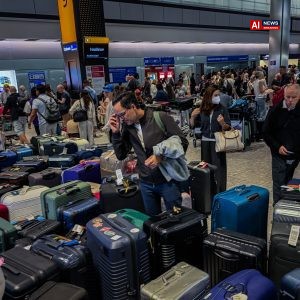
  NATS glitch causes major Heathrow flight delays and cancellations
  Yemen Tilts Toward Full-Scale War as Saudi-Houthi Clashes Escalate
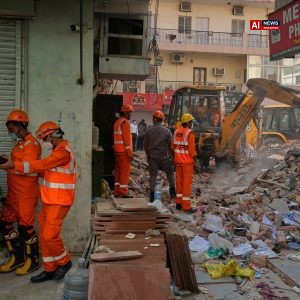
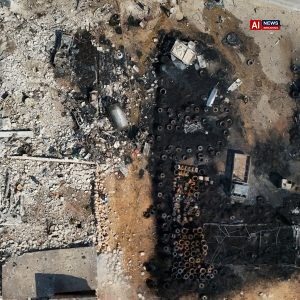
  Syrian weapons depot explosion kills 14 in Idlib
 Tibetan Activist Sets Himself on Fire Outside U.N.
A devastating incident occurred outside the United Nations headquarters in New York as a Tibetan activist, Lobga Rangzen, set himself on fire to protest China’s policies towards Tibet, highlighting the worsening human rights crisis and sparking global condemnation and calls for immediate action.
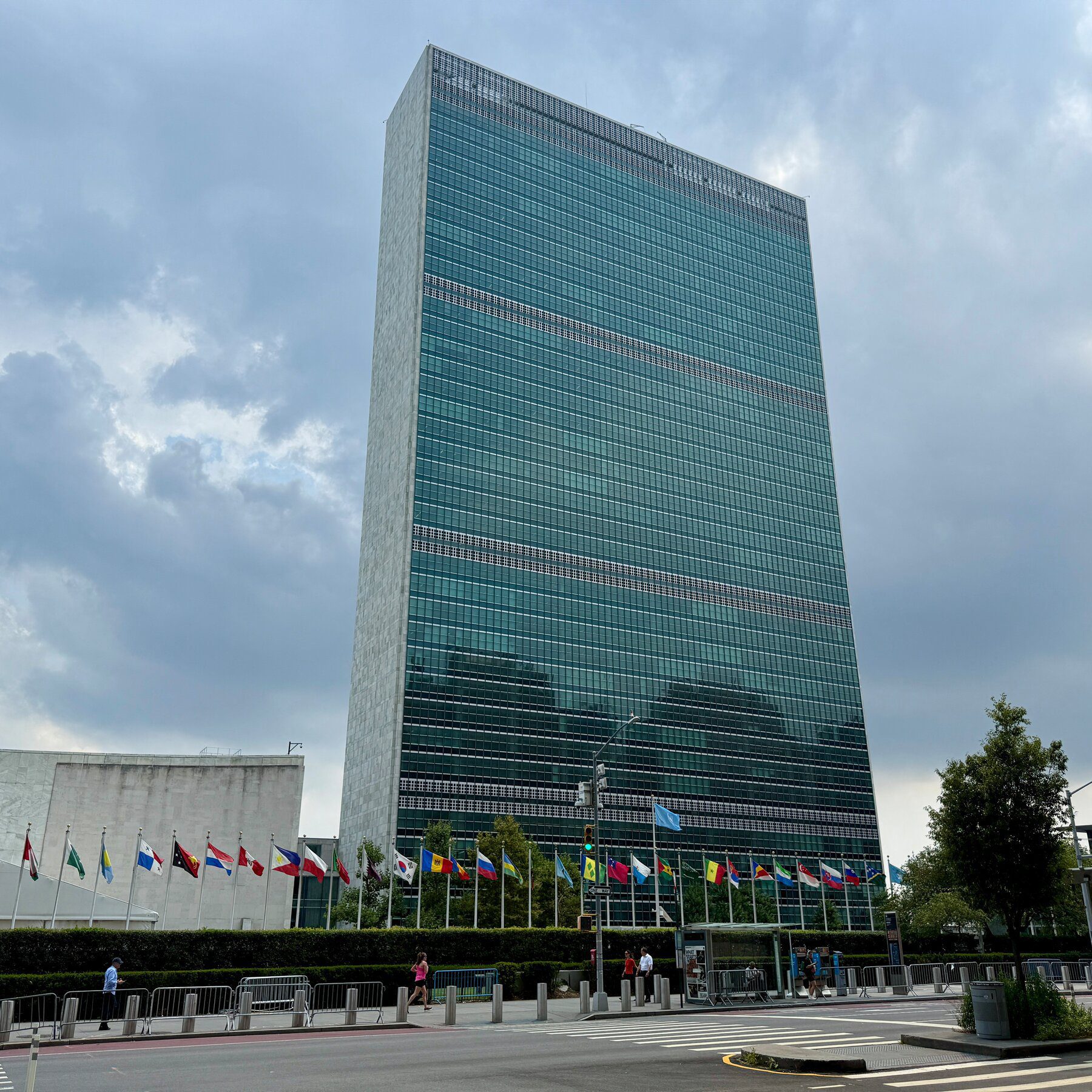
Breaking News: Tibetan Activist Sets Self on Fire Outside U.N. in Protest Against China Tragedy struck in New York yesterday as a 52-year-old Tibetan activist, identified as Lobga Rangzen, a resident of Queens, set himself on fire outside the United Nations headquarters in protest against China’s policies towards Tibet. The devastating incident has sent shockwaves around the world, sparking a flood of condemnations and calls for immediate action from human rights activists and international leaders..
Rangzen’s courageous yet heart-wrenching act has raised concerns about the worsening human rights crisis in Tibet and the international community’s responsibility to intervene. Eyewitnesses reported that Rangzen, dressed in traditional Tibetan attire, poured flammable liquids over his body and ignited himself near the entrance of the United Nations General Assembly, a few blocks away from the iconic New York City skyline. Witnesses described the scene as chaotic, with people rushing to aid the burning man while others tried to put out the flames..
Despite the swift response from emergency services, Rangzen succumbed to severe burns and died a short time later at a nearby hospital. According to friends and family members, Rangzen had been planning the self-immolation for months in a desperate bid to draw attention to the plight of the Tibetan people under Chinese rule. He believed Beijing’s policies were destroying the Tibetan people, their culture, and their way of life, said a close relative, who wished to remain anonymous..
Rangzen’s friends described him as a passionate and charismatic figure, deeply committed to the Tibetan cause and willing to sacrifice everything for the freedom of his fellow Tibetans. The incident has sparked a heated debate about the limits of free speech and the effectiveness of protest methods. Critics question whether self-immolation is a constructive means of raising awareness about human rights abuses, while supporters argue that the drastic measures may be necessary to galvanize international attention and pressure..
We understand that protests can be powerful, but self-immolation is a cry for help that has gone unanswered for far too long, said Phuntsok Losar, a Tibetan human rights activist based in London. China has long been accused of suppressing Tibetan dissent and maintaining a tight grip on the region. Since 2009, over 150 Tibetans have set themselves on fire as a form of protest, with several deaths reported worldwide..
Beijing has consistently denied any human rights abuses, labeling the self-immolations as criminal acts and blaming separatist forces for orchestrating the incidents. In response to Rangzen’s self-immolation, the Chinese embassy in Washington has released a statement denying any connection to the incident. However, Tibetan leaders and human rights groups have long accused China of employing tactics of repression, intimidation, and manipulation to silence Tibetan activists and control the narrative about the region..
The Chinese government has created an environment of fear, forcing Tibetans to resort to desperate measures like self-immolation, said Lobsang Sangay, the President of the Central Tibetan Administration (CTA). Meanwhile, the United Nations and key world leaders have condemned Rangzen’s tragic death, calling for restraint and an end to violent protests. UN ary-General António Guterres expressed shock and sadness at the incident, stating that all forms of violence must be rejected..
However, several world leaders have criticized the UN for failing to do enough to address the worsening crisis in Tibet, where tensions between Beijing and the Tibetan leadership have been escalating for years. Rangzen’s self-immolation has also reignited calls for international intervention, with advocacy groups pushing for targeted economic sanctions against China for its alleged human rights abuses in Tibet. The international community has been criticized for prioritizing trade and investment deals over human rights concerns, but activists say that in the face of Rangzen’s ultimate sacrifice, the international community can no longer turn a blind eye to the suffering of the Tibetan people..
As the world grapples with the implications of Rangzen’s tragic death, friends and family members are struggling to come to terms with their loss. A poignant tribute was laid at the site of the self-immolation, with a banner reading, We stand with Lobga Rangzen: End China’s atrocities now. Tibetan communities worldwide are holding candlelight vigils and organizing protests to honor the fallen activist’s memory and demand justice..
While some question the value of individual self-immolation, many see it as a powerful statement against oppression and a desperate cry for help in the face of an apathetic or complicit international community. As Lobga Rangzen took his final stand outside the United Nations, he was making a pointed statement about the limits of humanity’s capacity for empathy and action in the face of systemic human rights abuses. International condemnation of Rangzen’s death may not have immediately followed, but as the Tibetan leadership and human rights activists push for urgent action, the global response to the incident is rapidly gathering momentum..
Governments and international organizations worldwide are being forced to confront the harsh realities of China’s human rights record in Tibet. In the aftermath of Rangzen’s tragic death, calls for international accountability are growing louder. World leaders are under pressure to act, not merely to pay lip service to Tibetan human rights concerns, but to translate empty rhetoric into tangible action to bring about the change that Lobga Rangzen so desperately sought..
As diplomats, activists, and leaders from around the world gather for an emergency meeting to address the Tibetan crisis, one thing is clear: the question is no longer whether Rangzen’s sacrifice was futile, but whether the world is now ready to take seriously the gravity of the Tibetan people’s plight..
A 52-year-old Tibetan activist died yesterday after setting himself on fire outside the United Nations headquarters in New York, sparking a global outcry over China’s treatment of Tibet and raising questions about the effectiveness of protest methods. The incident has led to a renewed call for international intervention and accountability, with world leaders condemned for failing to act sooner to address the worsening human rights crisis in Tibet.
As news of Lobga Rangzen’s self-immolation continues to shock the world, it raises a disturbing question: have we become numb to the suffering of marginalized communities, and what does it say about our collective morality that it takes an individual’s ultimate sacrifice to galvanize international action? The incident serves as a chilling reminder that, despite the UN’s condemnation, the world’s inaction often