
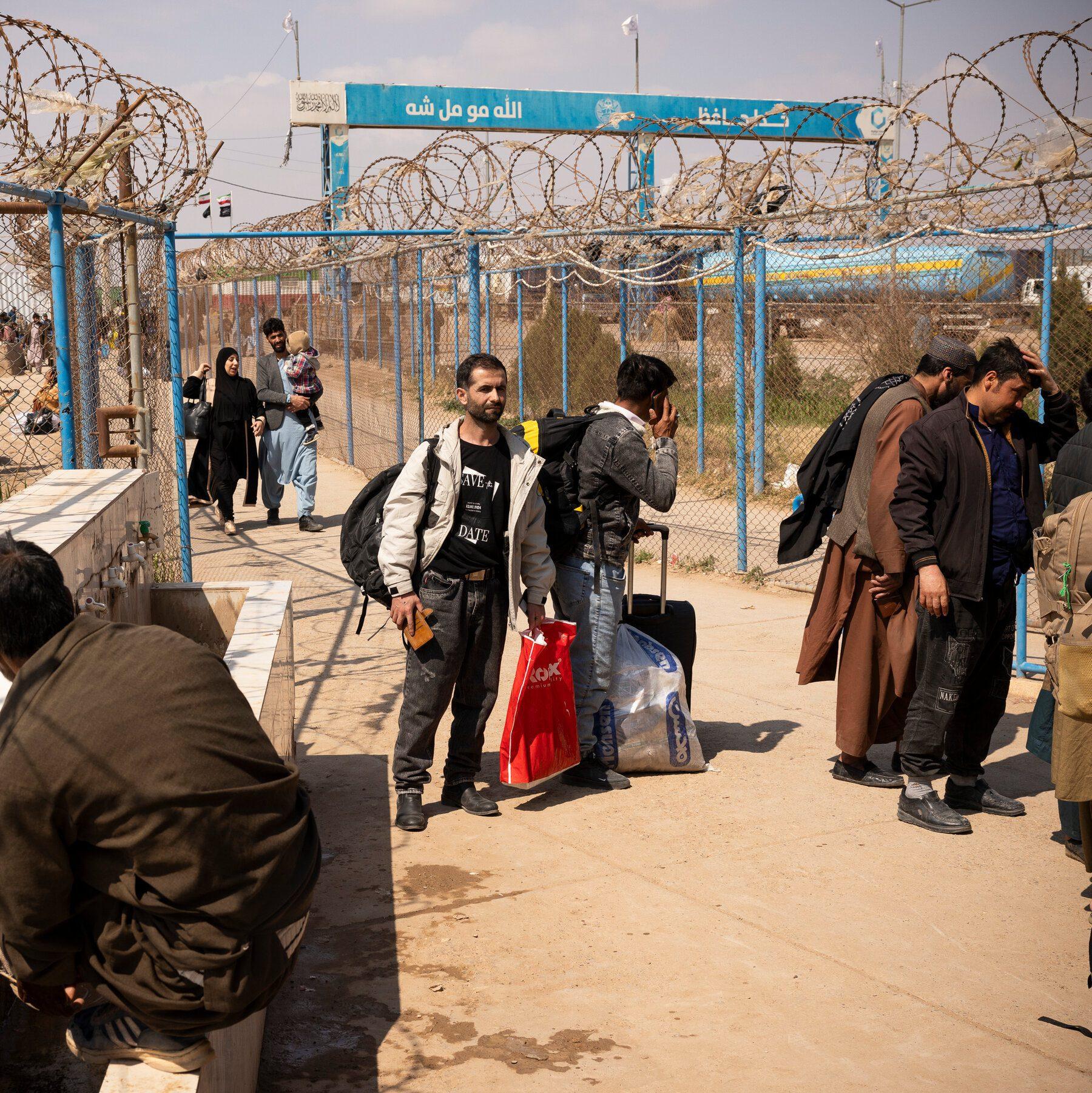
Afghan Exodus from Iran Intensifies as Dual Conflicts Escalate
A growing number of Afghans are being forced to flee Iran, a country that has long been a vital economic lifeline for Afghanistan, due to the escalating war in the region. The conflict in Iran has had a devastating impact on Afghanistan, with at least 70,000 Afghan workers and students returning home to a nation already struggling with its own internal conflicts. This mass exodus not only highlights the human cost of war but also underscores the intricate web of economic and social ties between the two neighboring countries.
The war in Iran has severely disrupted trade and commerce between the two nations, choking off a vital source of income for many Afghans. As a result, thousands of Afghan workers who had been employed in Iran have been left with no choice but to return to their homeland. This has not only caused economic hardship for the individuals affected but also placed a significant burden on Afghanistan’s already fragile economy.
The situation is further complicated by the fact that Afghanistan is itself embroiled in a long-running conflict. The country has been plagued by violence and instability for decades, and the return of tens of thousands of Afghans from Iran has put additional pressure on its limited resources. The Afghan government is facing significant challenges in providing for the needs of these returnees, including housing, food, and employment.
The economic ties between Afghanistan and Iran are deep-seated and multifaceted. For years, Iran has been one of Afghanistan’s largest trading partners, with many Afghan businesses relying on Iranian goods and services. The conflict in Iran has disrupted this trade, causing widespread economic hardship in Afghanistan. As the situation continues to deteriorate, there are growing concerns about the long-term impact on Afghanistan’s economy and stability.
The international community has been watching the situation in Afghanistan and Iran with growing concern. The United Nations and other humanitarian organizations have been working to provide assistance to those affected by the conflict, including the tens of thousands of Afghans who have been forced to flee Iran. However, much more needs to be done to address the root causes of the crisis and to provide sustainable support to those affected.
As the situation in Afghanistan and Iran continues to evolve, it is clear that a comprehensive and coordinated response is needed to address the complex challenges facing the region. This will require the engagement of the international community, as well as the governments of Afghanistan and Iran, to find a lasting solution to the conflicts and to support the millions of people affected by them.
This article may be prepared with the assistance of artificial intelligence (AI) and is reviewed before publication. While we aim for accuracy and timeliness, readers should verify important facts from official or primary sources. If you believe any information is inaccurate or that any content infringes your rights, please contact ainewsbreaking.com for review and appropriate action.