
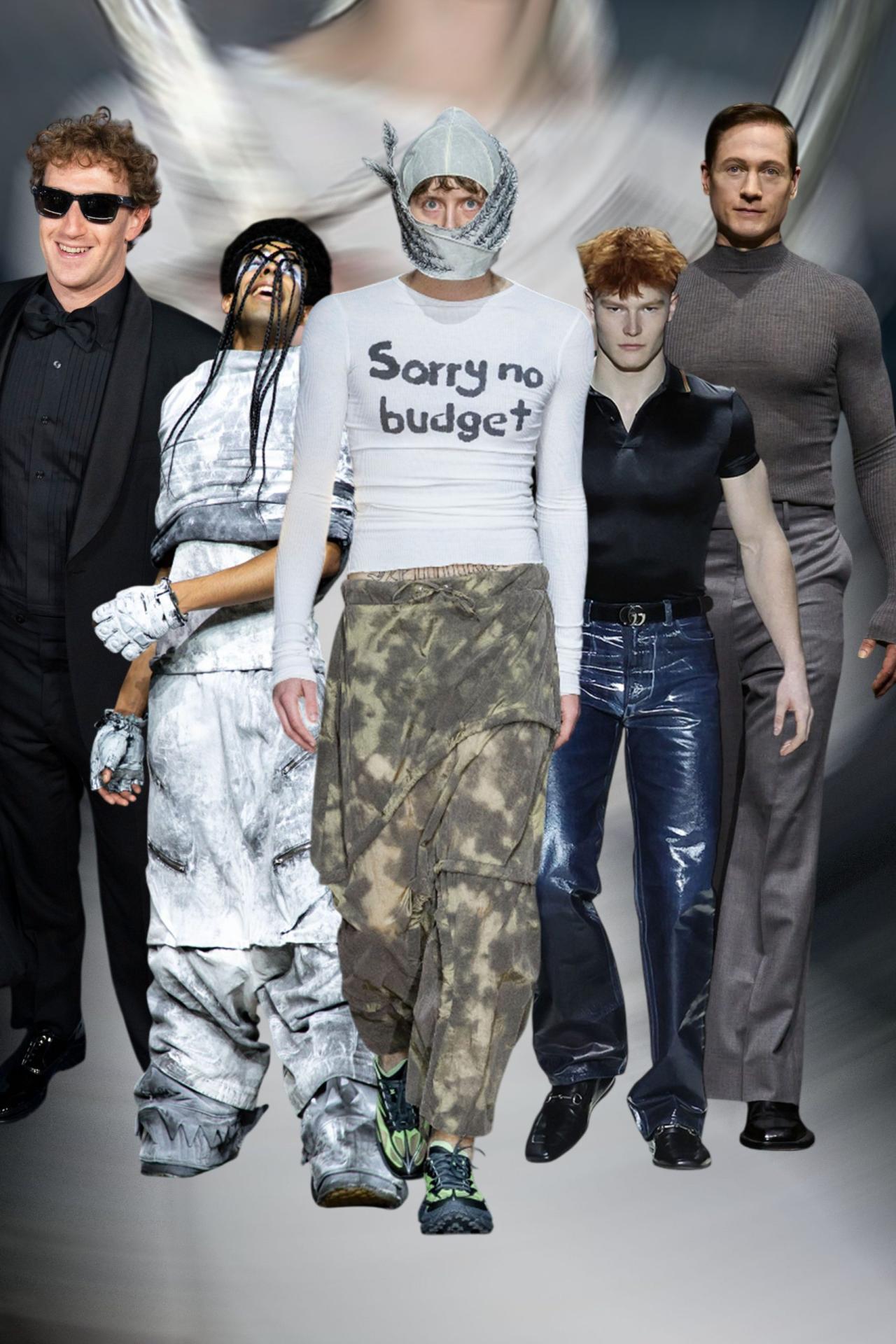
Revolutionizing Runways: How Artificial Intelligence is Redefining Fashion Week
The latest edition of Fashion Week has sparked a heated debate among designers, critics, and enthusiasts alike, as the influence of artificial intelligence (AI) on creativity takes center stage. As the fashion industry continues to evolve, the role of technology in shaping the future of design has become a topic of intense discussion. This season, designers have been grappling with the notion of AI’s impact on creativity, prompting a thorough examination of the delicate balance between innovation and artistic expression.
At the heart of the debate lies the question of where AI belongs in the realm of art and design. While some argue that AI-generated designs lack the emotional depth and human touch that is inherent to traditional creative processes, others see it as a revolutionary tool that can unlock new possibilities and push the boundaries of fashion. The integration of AI in fashion design has the potential to streamline workflows, enhance precision, and even predict future trends, making it an attractive prospect for many designers.
However, the growing presence of AI in fashion also raises concerns about authorship, authenticity, and the potential homogenization of styles. As machines become increasingly adept at generating designs that mimic human creativity, the line between man and machine becomes blurred. This has led to a reevaluation of the role of the designer, with some arguing that AI-generated designs should be considered a form of collaboration between human and machine, rather than a replacement for human creativity.
Despite these concerns, many designers have chosen to embrace AI as a tool to augment their creative processes. By leveraging AI’s capabilities, designers can focus on high-level creative decisions, while leaving the more mundane tasks to machines. This partnership between human and machine has the potential to unlock new levels of innovation and artistic expression, as designers are no longer limited by the constraints of traditional design methods.
As the fashion industry continues to navigate the complexities of AI’s influence, it is clear that this technology is here to stay. The key to successful integration lies in finding a balance between the creative potential of AI and the emotional depth of human design. By acknowledging the strengths and limitations of both human and machine, designers can harness the power of AI to create truly innovative and groundbreaking designs that redefine the Future of Fashion.
Ultimately, the incorporation of AI in fashion is not a replacement for human creativity, but rather a means to augment and enhance it. As the industry moves forward, it is essential to recognize the value of both human and machine in the creative process, and to foster a collaborative environment that allows designers to thrive. By doing so, the fashion industry can unlock the full potential of AI and create a new era of innovative, sustainable, and beautiful designs that inspire and delight audiences around the world. The conversation about AI’s role in fashion has only just begun, and as the industry continues to evolve, one thing is certain – the future of fashion has never been more exciting.
This article may be prepared with the assistance of artificial intelligence (AI) and is reviewed before publication. While we aim for accuracy and timeliness, readers should verify important facts from official or primary sources. If you believe any information is inaccurate or that any content infringes your rights, please contact ainewsbreaking.com for review and appropriate action.