Araghchi calls for permanent end to current, future attacks on Iran, demands reparations for war
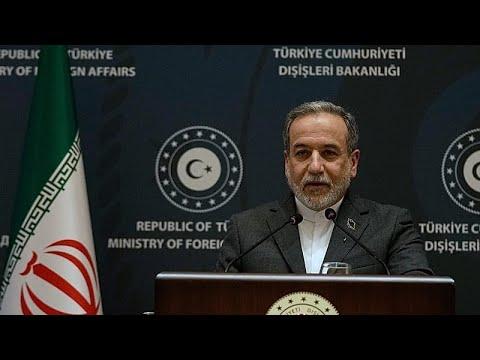
Iran’s Foreign Minister Abbas Araghchi has called for a permanent end to ongoing and future attacks on Iran and demanded reparations for damages caused during the war, signaling Tehran’s hardened stance as the conflict with Israel and the United States intensifies.
The remarks come amid escalating military confrontations across the Middle East and growing global concern about the widening conflict. Iranian leaders say the war cannot end with a temporary ceasefire and insist that binding guarantees against future aggression and financial compensation must be part of any settlement.
✅ Summary:
- Iranian Foreign Minister Abbas Araghchi demands a permanent end to attacks on Iran.
- Tehran insists on reparations for war damages.
- Iran rejects temporary ceasefire proposals without long-term security guarantees.
- The war continues to escalate with growing global concern.
Iran Rejects Temporary Ceasefire
Araghchi has made it clear that Tehran will not accept a simple ceasefire proposal.
According to his statements, Iran believes previous temporary agreements failed to address the root causes of the conflict. He said that any resolution must ensure a permanent end to military attacks on Iranian territory.
“There needs to be a permanent end to the war,” Araghchi said, warning that Tehran will continue defending itself unless lasting guarantees are provided.
Iran argues that short-term truces only delay further hostilities and do not provide meaningful security assurances.
Demand for Reparations
Another major demand from Tehran is financial compensation for war damages.
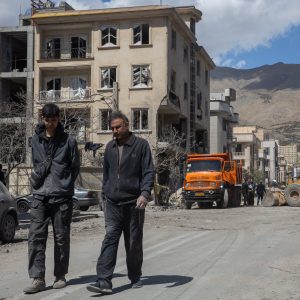
Iranian officials claim that strikes by the United States and Israel have caused significant damage to infrastructure, military facilities, and civilian areas. Tehran insists that the countries responsible must pay reparations to compensate for material and human losses.
The demand for compensation has been raised in diplomatic communications and discussions with international leaders.
Iran says accountability is essential before any meaningful negotiations can resume.
Iran’s Conditions to End the War
Iranian leaders have outlined several conditions that they believe must be met before hostilities can end.
These include:
- Permanent guarantees against future attacks on Iran
- Payment of reparations for war damages
- Recognition of Iran’s sovereign rights and security concerns
Iran’s President Masoud Pezeshkian has echoed similar demands, saying that peace is possible only if Iran’s rights are acknowledged and the risk of future aggression is eliminated.
Escalating Regional Conflict
The war between Iran and its adversaries has expanded beyond direct strikes between Tehran and Tel Aviv.
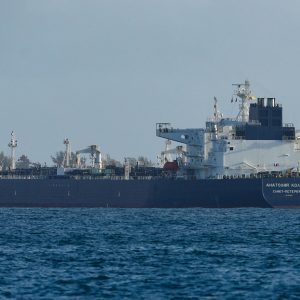
The conflict has increasingly involved multiple actors across the Middle East, including attacks on military bases, shipping routes, and infrastructure.
Global leaders have expressed concern that the crisis could escalate into a broader regional war affecting energy markets and international security.
Iran has also urged other countries to avoid actions that could further widen the conflict.
Diplomatic Pressure Builds
Despite the ongoing fighting, international diplomatic efforts continue.
Several countries are urging restraint and calling for negotiations to prevent further escalation.
However, Iranian officials remain skeptical of negotiations without clear commitments from their adversaries.
Araghchi has repeatedly stated that Tehran views the conflict as self-defense against what it calls aggression by the United States and Israel.
This article may be prepared with the assistance of artificial intelligence (AI) and is reviewed before publication. While we aim for accuracy and timeliness, readers should verify important facts from official or primary sources. If you believe any information is inaccurate or that any content infringes your rights, please contact ainewsbreaking.com for review and appropriate action.