
Asia’s Oil Crisis Spreads: Far-Reaching Consequences of the Iran Conflict
As the oil crisis sparked by the ongoing Iran conflict continues to unfold, its far-reaching consequences are being felt across Asia. From remote farms in New Zealand to bustling factories in Delhi, the ripple effects of the crisis have touched nearly every corner of the continent.
Key agricultural suppliers in New Zealand are facing higher transportation costs, driven by increased oil prices, resulting in price hikes for essential export commodities such as milk, meat, and fruit. This has forced major retailers to adjust their purchasing strategies in an effort to contain costs without sacrificing inventory levels.
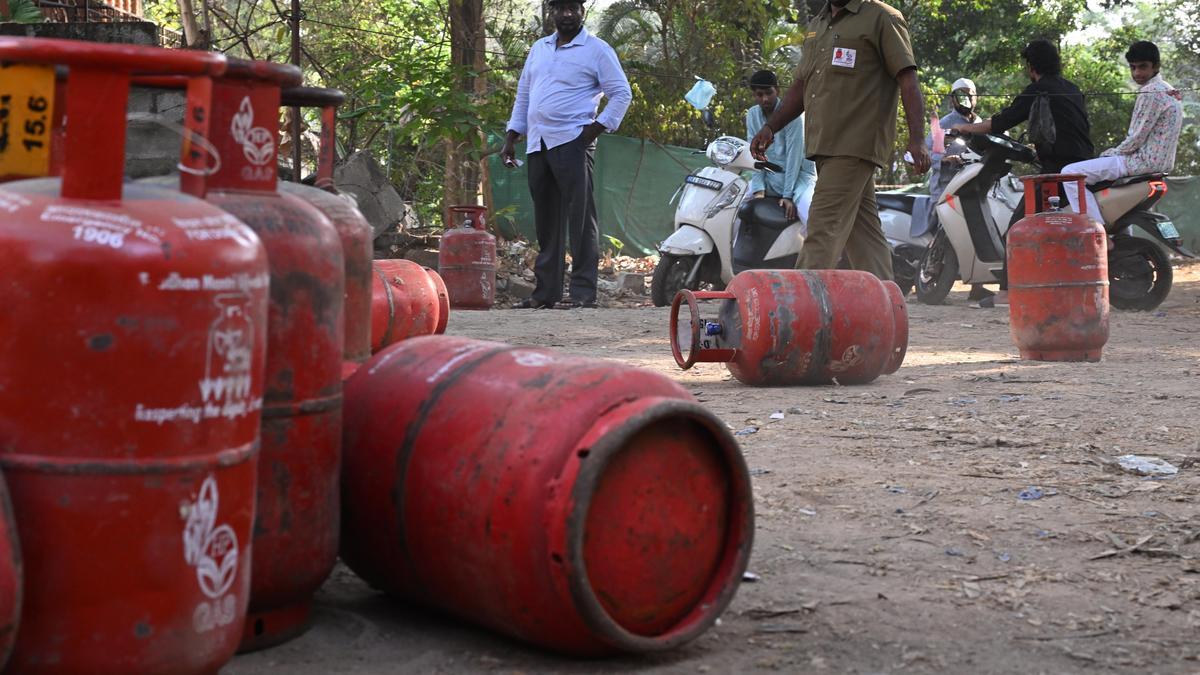
In India, the country’s manufacturing sector is feeling the pressure as factories in cities like Delhi struggle to maintain profitability in the face of climbing energy costs. Factory owners are racing to identify more cost-effective energy options to stay competitive, but options are limited, leaving many fearing price increases and reduced production levels.
Meanwhile, in Indonesia, local consumers are feeling the pinch as fuel costs continue to rise, forcing government officials to intervene with subsidies to stabilize prices. While this measure aims to alleviate financial burdens on the population, it also raises fears about the country’s long-term economic stability.
As regional leaders convene for emergency talks, their discussions will center on strategies to mitigate the crisis’s impact and ensure continued economic activity across Asia.
This is a developing story. Stay tuned for more updates.
This article may be prepared with the assistance of artificial intelligence (AI) and is reviewed before publication. While we aim for accuracy and timeliness, readers should verify important facts from official or primary sources. If you believe any information is inaccurate or that any content infringes your rights, please contact ainewsbreaking.com for review and appropriate action.