
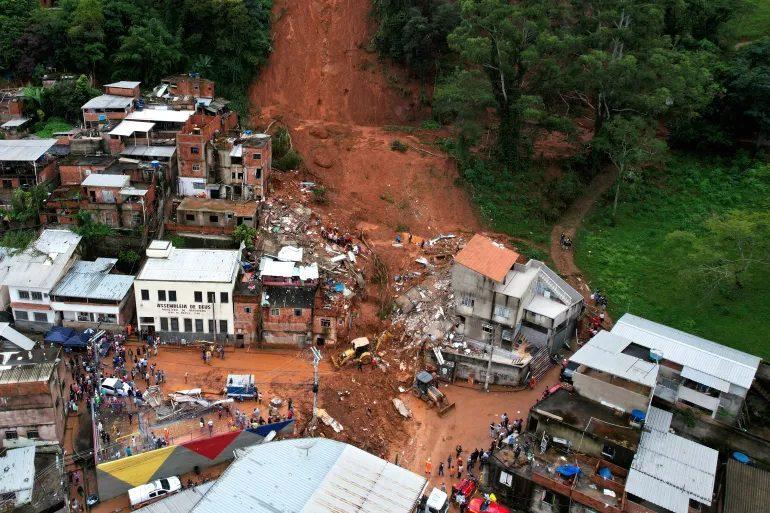
Brazil’s Coffee Region Faces Catastrophic Floods: Scientists Warn of Escalating Climate Crisis
The devastating floods that have ravaged Brazil’s coffee-producing region, resulting in loss of life and widespread destruction, are a stark warning of the escalating climate crisis, according to scientists. The state of Minas Gerais, which is the epicenter of Brazil’s coffee industry, has been hit by record-breaking floods over the past month, leaving dozens of residents dead and thousands more displaced. The catastrophic events have been linked to global heating, which is exacerbating the risk of extreme rainfall, landslides, and other climate-related disasters.
As the world’s largest producer of coffee, Brazil’s coffee industry is a significant contributor to the country’s economy. However, the recent floods have raised concerns about the long-term sustainability of coffee production in the region. The floods have not only destroyed coffee crops and infrastructure but also disrupted the livelihoods of thousands of coffee farmers and their families. The ripple effects of the disaster are likely to be felt globally, with coffee prices expected to rise in the coming months.
Scientists have warned that the floods in Brazil’s coffee region are a symptom of a larger climate crisis that requires immediate attention. The burning of fossil fuels is releasing massive amounts of greenhouse gases into the atmosphere, leading to a rise in global temperatures. This, in turn, is altering weather patterns, resulting in more frequent and intense extreme weather events such as floods, droughts, and heatwaves. The consequences of inaction will be catastrophic, with more severe and frequent climate-related disasters expected to occur in the coming years.
The Brazilian government has been criticized for its response to the floods, with many arguing that more needs to be done to support affected communities and to address the root causes of the climate crisis. The government has announced plans to provide aid to affected families and to rebuild damaged infrastructure, but critics argue that these measures do not go far enough. To mitigate the effects of climate change, the government must take bold action to reduce the country’s reliance on fossil fuels and transition to renewable energy sources.
The international community also has a role to play in supporting Brazil’s efforts to address the climate crisis. The country is a key player in global climate talks, and its actions will have a significant impact on the global effort to reduce greenhouse gas emissions. The international community must provide financial and technical support to help Brazil transition to a low-carbon economy and to support affected communities.
In conclusion, the floods in Brazil’s coffee region are a stark warning of the escalating climate crisis. The scientific evidence is clear: the burning of fossil fuels is driving global heating, which is resulting in more frequent and intense extreme weather events. To avoid the worst impacts of climate change, we must take immediate action to reduce our reliance on fossil fuels and transition to renewable energy sources. The fate of Brazil’s coffee industry, and the livelihoods of thousands of coffee farmers and their families, depend on it. The world must come together to support Brazil’s efforts to address the climate crisis and to ensure a sustainable future for coffee production in the region.
This article may be prepared with the assistance of artificial intelligence (AI) and is reviewed before publication. While we aim for accuracy and timeliness, readers should verify important facts from official or primary sources. If you believe any information is inaccurate or that any content infringes your rights, please contact ainewsbreaking.com for review and appropriate action.