
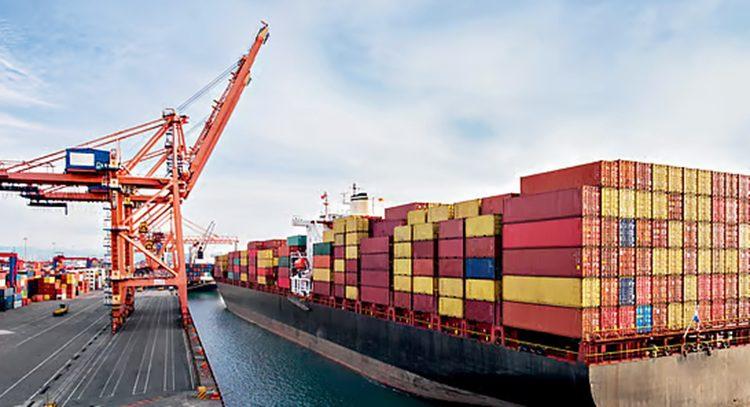
Breaking News: India Removes 50% Cap on RoDTEP Scheme, Major Boost for Exporters and Global Trade Competitiveness
In a significant policy reversal aimed at supporting the country’s export sector, Remission of Duties and Taxes on Export Products (RoDTEP) scheme has seen a major change as India officially withdrew the 50% restriction that had been imposed earlier this year. The move is expected to provide much-needed relief to exporters grappling with global economic uncertainties and rising trade pressures.
What Has Happened? Key Policy Update Explained
On March 23, 2026, the Indian government announced the removal of the 50% cap on benefits under the RoDTEP scheme. This scheme plays a crucial role in reimbursing exporters for various taxes, duties, and levies incurred during the manufacturing and distribution process—costs that are not refunded under any other mechanism.
The withdrawal of this restriction effectively restores full incentives to exporters, reversing a decision taken just weeks earlier when the benefits were slashed by half.
Understanding the RoDTEP Scheme
The Remission of Duties and Taxes on Export Products (RoDTEP) scheme was introduced to ensure that Indian exporters remain competitive in global markets by neutralizing hidden taxes embedded in export products.
Key Features:
- Covers central, state, and local taxes not refunded elsewhere
- Applies to a wide range of export sectors including textiles, engineering goods, agriculture, and more
- Designed to make Indian exports cost-neutral rather than subsidized
Previously, exporters received incentives typically ranging between 1% to 4% of product value depending on the category.
Why Was the 50% Restriction Imposed?
Earlier in February 2026, the government reduced RoDTEP benefits by 50%, citing fiscal pressures and global trade challenges.
This decision triggered widespread concern across export sectors, as it:
- Increased operational costs for exporters
- Reduced competitiveness against countries like China, Vietnam, and Bangladesh
- Created uncertainty in export planning
Industry bodies and exporters strongly urged the government to reconsider, warning of a potential decline in export growth.
Why the Government Reversed the Decision
The rollback of the 50% cap appears to be a response to mounting pressure from industry stakeholders and evolving global trade conditions.
Key Reasons Behind the Reversal:
- Exporter Pressure: Industry associations highlighted severe financial strain caused by reduced incentives.
- Global Competition: Competing economies continued offering strong export support, putting Indian exporters at a disadvantage.
- Economic Strategy: Boosting exports remains critical for India’s economic growth and trade balance.
- Policy Stability: Frequent policy shifts had raised concerns among exporters about long-term planning.
By restoring full benefits, the government aims to stabilize the export ecosystem and rebuild confidence.
Impact on Indian Exporters
1. Immediate Financial Relief
Exporters will now receive full reimbursement of eligible taxes and duties, improving cash flow and profitability.
2. Improved Global Competitiveness
With reduced cost burdens, Indian goods will be better positioned in international markets.
3. Sector-Wide Benefits
Industries likely to gain the most include:
- Textiles and garments
- Leather goods
- Engineering and manufacturing
- Agricultural exports
4. Boost to MSMEs
Small and medium exporters, who are highly sensitive to cost fluctuations, will benefit significantly from the restored incentives.
Impact on India’s Trade and Economy
The decision could have broader macroeconomic implications:
Export Growth Revival
With incentives restored, India may see a rebound in export volumes, especially in price-sensitive sectors.
Trade Deficit Management
Higher exports can help offset import costs and improve the trade balance.
Foreign Exchange Earnings
Increased exports contribute directly to higher forex reserves, strengthening the economy.
Global Context: Why This Matters Now
The global trade environment remains volatile due to:
- Geopolitical tensions
- Supply chain disruptions
- Slowing demand in key markets
In such a scenario, export incentives like RoDTEP become crucial tools for maintaining competitiveness.
Countries such as China and Vietnam continue to offer strong export support mechanisms, making it essential for India to match global standards.
Policy Flip-Flop Concerns
While the latest move is welcomed, it also highlights concerns over policy consistency.
Frequent changes—first a 50% cut and then a rollback—have raised questions about:
- Long-term predictability
- Investor confidence
- Ease of doing business
Experts suggest that a stable, long-term export policy framework is essential for sustained growth.
What Exporters Are Saying
Industry reactions have largely been positive:
- Exporters view the move as a “timely correction”
- Trade bodies believe it will restore confidence
- MSMEs see it as a “lifeline” amid rising costs
However, many stakeholders are also calling for:
- Greater policy stability
- Faster disbursement of incentives
- Expansion of scheme coverage
Future Outlook
The withdrawal of the 50% restriction signals a pro-export stance by the government.
What to Watch Next:
- Possible extension of the scheme beyond current timelines
- Inclusion of more product categories
- Digital reforms for faster claim processing
- Alignment with India’s long-term export targets
India has set ambitious goals to increase exports significantly in the coming years, and schemes like RoDTEP will play a central role in achieving them.
This article may be prepared with the assistance of artificial intelligence (AI) and is reviewed before publication. While we aim for accuracy and timeliness, readers should verify important facts from official or primary sources. If you believe any information is inaccurate or that any content infringes your rights, please contact ainewsbreaking.com for review and appropriate action.