Brussels Bombing Survivors Face Pension Cuts 10 Years After Terrorist Attacks
A decade has passed since the devastating terrorist attacks on Brussels airport and a metro station, but for some survivors, the struggles are far from over. Walter Benjamin, a 56-year-old survivor, is among those who suffered life-changing injuries in the 2016 attacks and is now facing a new challenge: significant cuts to his monthly pension. The reduction in state compensation, intended to recoup allegedly “overpaid” funds, has been causing Benjamin sleepless nights, reviving painful memories of the traumatic event.
On March 22, 2016, three suicide bombers carried out the deadly attacks, killing 32 people and leaving over 320 others with severe injuries, many of which are typically seen in war zones. Benjamin was just three meters away from the second attacker at Zaventem airport when the bomb detonated, an experience that has had a lasting impact on his life.
The cuts to survivors’ pensions have come as a shock to many, who are still trying to rebuild their lives after the traumatic events. The decision to reduce the compensation has left survivors like Benjamin feeling frustrated and concerned about their financial stability. Many are now fighting the deductions, arguing that the cuts are unfair and will exacerbate their already difficult circumstances.
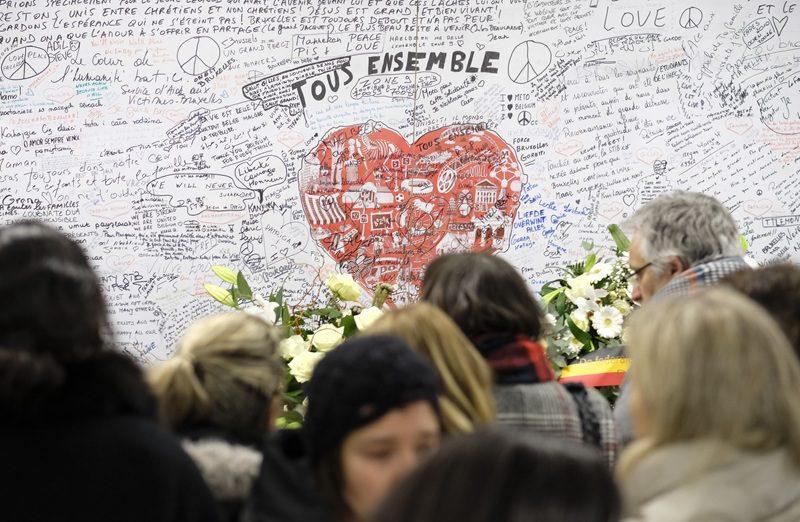
The 2016 Brussels bombings were a pivotal moment in the city’s history, causing widespread devastation and grief. As the city marked the 10th anniversary of the attacks, survivors and families of the victims are still seeking justice and support. The current pension cuts have sparked renewed concerns about the treatment of survivors and the need for adequate compensation and care.
For survivors like Walter Benjamin, the past decade has been marked by physical and emotional struggles. The latest development has added a new layer of anxiety, as they worry about their financial future and the ability to access the support they need. As the community continues to heal and rebuild, the issue of survivors’ compensation remains a pressing concern, highlighting the need for a fair and sustainable solution.
This article may be prepared with the assistance of artificial intelligence (AI) and is reviewed before publication. While we aim for accuracy and timeliness, readers should verify important facts from official or primary sources. If you believe any information is inaccurate or that any content infringes your rights, please contact ainewsbreaking.com for review and appropriate action.