
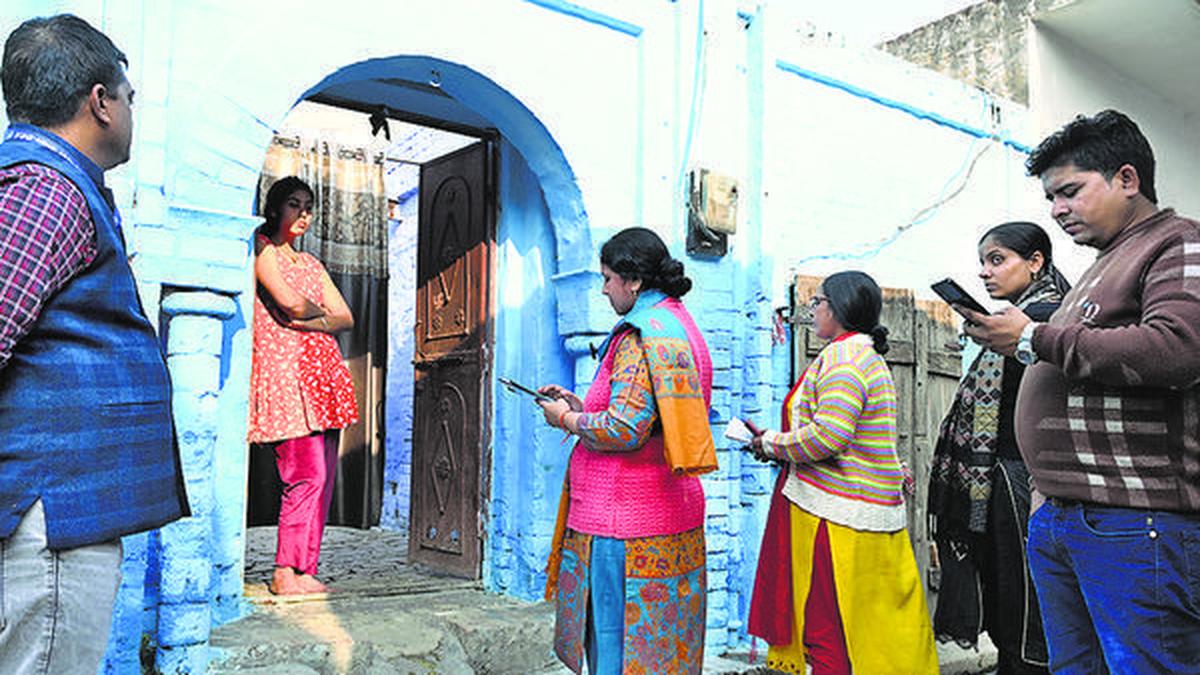
Census 2027: Government Rolls Out FAQs to Guide Public Through Registration Process
Census 2027 Registration Explained: Government Releases FAQs on Self-Enumeration, Digital Process and Key Rules
India has officially kicked off Census 2027, marking a historic shift as the country conducts its first-ever fully digital population census. To help citizens navigate the new system, the government has released a comprehensive set of Frequently Asked Questions (FAQs) aimed at simplifying the registration and self-enumeration process.
The FAQs are designed to address common concerns, clarify procedures, and ensure smooth participation in what is considered the world’s largest demographic exercise.
Why FAQs Were Released
With the introduction of digital self-enumeration, the government recognized that many citizens may be unfamiliar with the process. The FAQs serve as a user-friendly guide, explaining:
- How to register online
- What information is required
- Who should fill the form
- Special cases (like live-in relationships, joint families, etc.)
The aim is to reduce confusion, avoid duplication, and improve accuracy in data collection.
What Is New in Census 2027?
Census 2027 is significantly different from previous exercises due to its technology-driven approach:
- Fully digital data collection
- Self-enumeration portal for citizens
- Mobile app-based data collection by enumerators
- Faster data processing and release
For the first time, citizens can fill in their own details online instead of waiting for officials to visit their homes.
How the Registration (Self-Enumeration) Process Works
The FAQs outline a clear step-by-step process for citizens:
1. Visit the Official Portal
Residents can access the government’s self-enumeration platform and register using their mobile number.
2. Fill Household Details
Users must answer a structured questionnaire (around 33 questions) covering:
- Housing conditions
- Family details
- Amenities and assets
3. Submit the Form
After completing the form, users submit their data digitally.
4. Receive Reference ID
A unique ID is generated, which must be shared with census officials during verification visits.
5. Enumerator Verification
If the ID is not provided, officials may conduct the survey again during door-to-door visits.
No Documents Required
One of the key clarifications in the FAQs is that no documents are required during the census process. Citizens only need to provide information based on their knowledge, making the process simpler and more accessible.
Special Clarifications in FAQs
The government has also addressed several real-life scenarios:
- Live-in relationships: Can be treated as married if considered a stable union
- Household definition: Based on shared living and cooking arrangements
- Multiple families in one house: Each family can be counted separately
These clarifications aim to ensure inclusive and accurate data representation.
Two Phases of Census 2027
The census will be conducted in two major phases:
Phase 1: House Listing & Housing Census (2026)
- Focus on housing conditions and assets
- Includes self-enumeration option
Phase 2: Population Enumeration (2027)
- Collection of detailed demographic data
- Will include caste-related information
The reference date for most of the country is March 1, 2027.
Why Census 2027 Matters
The census plays a crucial role in shaping India’s future by providing data for:
- Government policies and welfare schemes
- Infrastructure planning
- Resource allocation
- Economic and social development
After a delay of several years since the last census in 2011, this exercise is expected to deliver updated and highly accurate data for policymaking.
Push for Public Participation
Officials across states are urging citizens to actively participate, especially through the self-enumeration option, which:
- Saves time
- Reduces workload on enumerators
- Minimizes errors and duplication
Authorities have emphasized that public cooperation is essential for the success of the census.
This article may be prepared with the assistance of artificial intelligence (AI) and is reviewed before publication. While we aim for accuracy and timeliness, readers should verify important facts from official or primary sources. If you believe any information is inaccurate or that any content infringes your rights, please contact ainewsbreaking.com for review and appropriate action.