China, Russia Block UN Resolution to Safeguard Strait of Hormuz Amid Global Tensions
UN Resolution Fails Despite Strong Majority Support
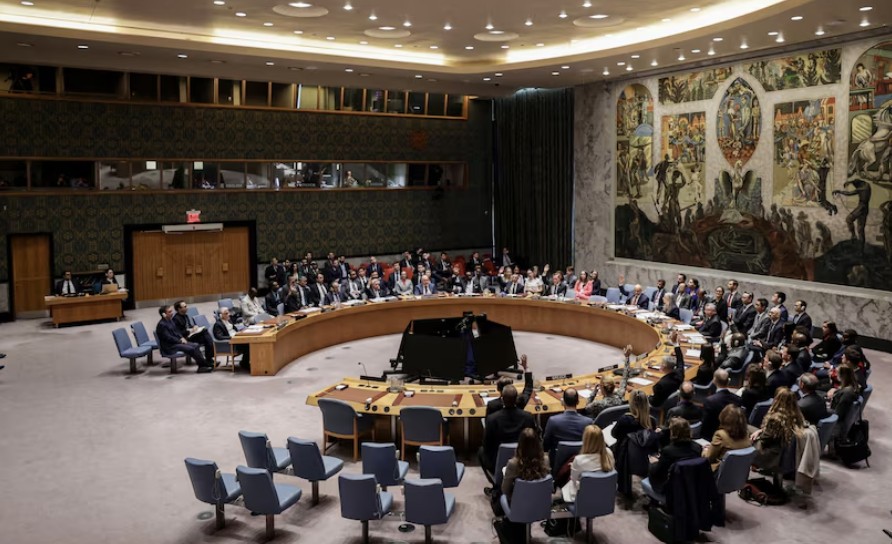
In a dramatic escalation of geopolitical tensions, China and Russia have vetoed a United Nations Security Council (UNSC) resolution aimed at safeguarding commercial shipping and reopening the strategically critical Strait of Hormuz. The move has deepened divisions among global powers and intensified concerns over energy security, international trade, and the ongoing Middle East conflict.
The UNSC resolution, introduced by Bahrain and backed by the United States and several Gulf nations, received overwhelming support from 11 of the Council’s 15 members. However, it ultimately failed due to vetoes cast by China and Russia—two of the five permanent members with veto power.
Two countries abstained, highlighting the fractured international consensus on how to respond to the worsening crisis in the Strait of Hormuz.
Under UN rules, any negative vote from a permanent member automatically blocks a resolution, regardless of majority support.
What the Resolution Proposed
The draft resolution was significantly watered down in an attempt to avoid vetoes. Earlier versions included provisions that could have authorized military intervention, but the final version focused only on defensive coordination measures.
Key provisions included:
- Encouraging countries to coordinate efforts to protect commercial vessels
- Supporting escort missions for merchant ships
- Deterring attempts to block or disrupt maritime navigation
Notably, the resolution excluded any authorization of force, reflecting compromises made to gain broader support.
Why China and Russia Opposed the Resolution
China and Russia opposed the resolution over concerns that even a diluted version could indirectly legitimize military action in the region.
Both countries have consistently warned against escalation and have instead advocated for:
- A ceasefire in the ongoing conflict
- Diplomatic negotiations
- Avoiding actions that could widen the war
Their veto underscores a broader geopolitical divide, with Western and Gulf nations pushing for stronger measures to secure the waterway, while Beijing and Moscow prioritize de-escalation and sovereignty concerns.
Background: The Strait of Hormuz Crisis
The Strait of Hormuz—one of the world’s most critical energy chokepoints—has been at the center of a major crisis since late February 2026.
Following U.S. and Israeli strikes on Iran, Tehran responded with:
- Missile and drone attacks across the region
- Threats to global shipping
- Effective closure of the strait to most commercial traffic
The waterway typically handles a significant share of global oil and liquefied natural gas shipments, making any disruption a major threat to the global economy.
Global Reactions: Sharp Divisions Emerge
United States
The U.S. strongly condemned the vetoes, accusing China and Russia of siding with Iran and undermining global economic stability. American officials warned that the closure of the strait is disrupting:
- Humanitarian aid shipments
- Global energy supplies
- International trade routes
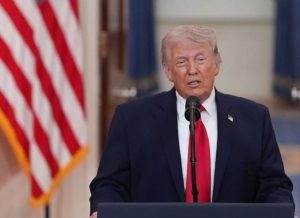
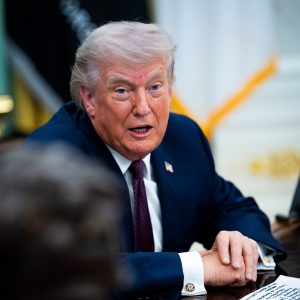
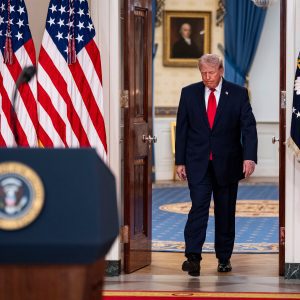
President Donald Trump has also issued a stark ultimatum to Iran, demanding that the strait be reopened or face severe consequences.
Europe and Allies
France and other Western allies criticized the veto, emphasizing that the resolution was purely defensive and aimed at ensuring safe navigation without escalating the conflict.
Gulf nations expressed frustration, as the failure of the resolution undermines efforts to stabilize a region critical to global energy flows.
China and Russia’s Position
China and Russia maintain that military or quasi-military measures—even under a defensive framework—risk triggering broader conflict.
They continue to advocate for diplomatic solutions, including ceasefire negotiations and multilateral dialogue, rather than security operations in the strait.
Economic Impact: Oil Prices and Global Trade at Risk
The ongoing disruption in the Strait of Hormuz has already had significant economic consequences:
- Oil prices have surged sharply amid supply fears
- Shipping routes have been rerouted or suspended
- Insurance and freight costs have skyrocketed
Experts warn that prolonged closure could trigger a global energy crisis comparable to historic oil shocks.
What Happens Next?
With the UNSC deadlocked, the path forward remains uncertain. Possible scenarios include:
- A U.S.-led coalition securing the strait outside UN authorization
- Continued diplomatic efforts involving regional and global powers
- Further escalation between Iran and Western allies
Meanwhile, mediation efforts—reportedly involving countries like Pakistan—are ongoing but face significant hurdles
This article may be prepared with the assistance of artificial intelligence (AI) and is reviewed before publication. While we aim for accuracy and timeliness, readers should verify important facts from official or primary sources. If you believe any information is inaccurate or that any content infringes your rights, please contact ainewsbreaking.com for review and appropriate action.