China’s AI Aerial Refuelling Push Gains Spotlight After Deadly US Tanker Crash
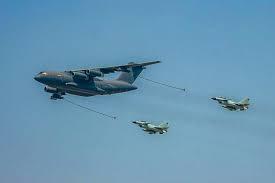
China’s military is moving to integrate artificial intelligence into aerial refuelling operations, a development that is drawing attention after a deadly US Air Force tanker crash in Iraq highlighted the risks of one of combat aviation’s most complex tasks. Recent reporting says the People’s Liberation Army Air Force has outlined an AI-assisted system designed to match tankers with receiving aircraft in real time, helping commanders improve timing, reduce bottlenecks and extend mission endurance.
The reported Chinese approach focuses on optimizing tanker support during fast-moving air operations. In practice, that means software would help determine which combat aircraft should be refuelled first, which tanker is best positioned to support them, and how to adjust plans as battlefield conditions change. The goal is not just efficiency but also operational resilience, especially in high-tempo scenarios where delays can weaken strike packages, patrol coverage or air defence response times.
The timing of the disclosure matters. It comes just days after a US KC-135 Stratotanker crashed in Iraq, killing all six crew members aboard, according to AP. That crash renewed scrutiny of aerial refuelling and tanker operations, which are essential to sustaining long-range air missions but involve tightly coordinated flying, high workload and little room for error.
This does not mean China is claiming AI can remove all danger from refuelling missions. But the reporting suggests Beijing sees AI as a way to lower operational friction around the refuelling network itself, particularly in planning and real-time allocation. That could help reduce human decision overload in complicated air campaigns, where multiple fighters, bombers, surveillance aircraft and tankers may all be competing for limited support. This is an inference based on the reported functions of the system and the known role of tankers in air operations.
The broader context is China’s growing focus on military AI. Reuters reported last month that both the United States and China declined to sign a joint declaration on governing military AI at an international summit, underscoring how central the technology has become to strategic competition. Separate recent reporting from SCMP and other outlets has also described debate within China about the US military’s battlefield AI advantage and the need for Beijing to accelerate its own adoption of intelligent systems.
For air warfare, tanker support is a force multiplier. Fighters and other aircraft cannot stay on station for long or operate at long range without dependable refuelling. Any system that improves how tankers are assigned and routed could therefore boost sortie generation, persistence and flexibility. That is why even a back-end support improvement like AI-assisted aerial refuelling can have front-line consequences in a future conflict. This is an analytical conclusion drawn from the role of tankers and the reported purpose of the PLA system.
The key takeaway is that China appears to be treating aerial refuelling not only as a logistics issue but as an algorithmic battlefield problem. After the deadly US tanker crash, that message carries extra weight: modern air power depends not just on advanced aircraft, but on the invisible support systems that keep them flying.
This article may be prepared with the assistance of artificial intelligence (AI) and is reviewed before publication. While we aim for accuracy and timeliness, readers should verify important facts from official or primary sources. If you believe any information is inaccurate or that any content infringes your rights, please contact ainewsbreaking.com for review and appropriate action.