China’s Unexpected Intervention: Playing Peacemaker in the Iran Conflict
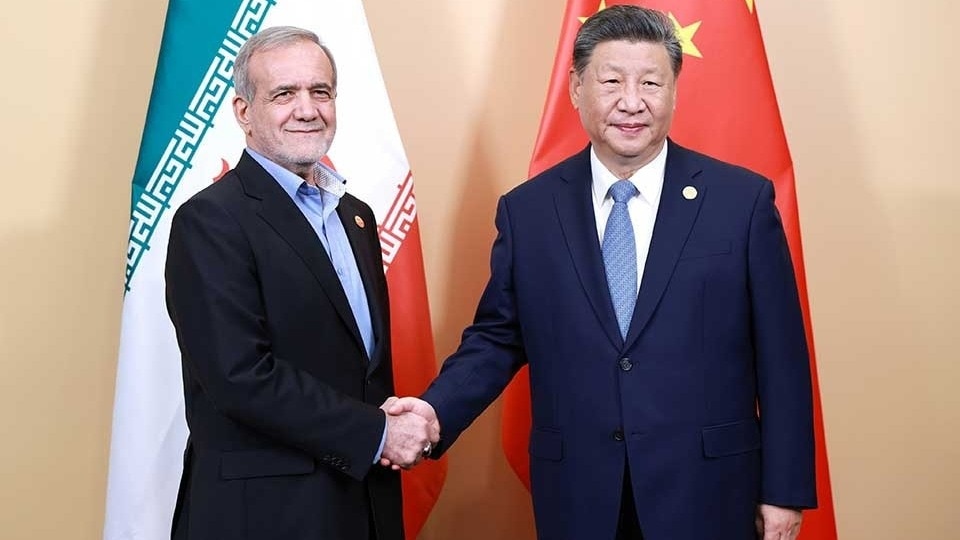
In a sudden shift in diplomatic efforts, China has announced its willingness to facilitate dialogue between Iran and its adversaries, sparking hopes of a potential de-escalation in the Middle East conflict. This development marks a notable change in Beijing’s stance, as the country’s initial response to the crisis was characterized by muted statements.
China’s decision to intervene comes at a critical juncture in the conflict, with tensions persisting between Iran and its Gulf neighbors. Iran has been engaged in a series of confrontations with Saudi Arabia, Kuwait, and Bahrain, further entrenching regional divisions. The escalation has raised concerns among the international community, prompting various global powers to explore avenues for peaceful resolution.
Beijing’s diplomatic overtures have been interpreted as a reflection of the country’s growing influence in the Persian Gulf. As a major trading partner with both Iran and its regional adversaries, China is well-positioned to facilitate dialogue and foster cooperation. Notably, the Asian giant has maintained a distinct tone in its interactions with Iran, avoiding direct criticisms of the country’s actions.
China’s intervention is seen as a crucial step towards reviving stalled negotiations between Iran and its international counterparts. Tehran has long-standing grievances with several countries, including the United States, over issues such as sanctions and regional influence. Beijing’s facilitation efforts may help ease tensions and unlock new avenues for discussion, paving the way for a more lasting resolution to the conflict.
Chinese officials have yet to elaborate on the specifics of their plan, but experts predict a multifaceted approach that incorporates diplomatic outreach, economic support, and regional engagement. By engaging key stakeholders, China aims to reestablish stability and create favorable conditions for a constructive dialogue to unfold.
While Beijing’s motives remain partly shrouded in mystery, observers note that the country has significant stakes in sustaining regional peace and security. A protracted conflict could have far-reaching consequences for global trade, energy markets, and diplomatic relationships.
In the face of rising uncertainty, China’s timely intervention raises questions about the country’s strategic interests and its vision for a stable Middle East. As regional tensions continue to simmer, China’s diplomatic efforts may provide crucial momentum for a more enduring resolution to the conflict.
This article may be prepared with the assistance of artificial intelligence (AI) and is reviewed before publication. While we aim for accuracy and timeliness, readers should verify important facts from official or primary sources. If you believe any information is inaccurate or that any content infringes your rights, please contact ainewsbreaking.com for review and appropriate action.