Chronic Air Pollution Exposure Linked to More Severe Dengue Cases, Study Warns
Long-term exposure to air pollution may do more than damage the lungs and heart — it could also make dengue infections more severe, according to a new study that adds another layer of concern to the growing global health burden posed by polluted urban environments.
Researchers have found evidence that chronic exposure to polluted air can influence how severely a person is affected by dengue, a mosquito-borne viral disease that already places immense pressure on health systems in tropical and subtropical regions. The findings suggest that environmental conditions may play a bigger role in infectious disease outcomes than previously understood, particularly in densely populated cities where both air pollution and dengue outbreaks are common.
Dengue, which is transmitted by Aedes mosquitoes, typically causes high fever, severe headache, joint and muscle pain, nausea, and rash. While many patients recover with supportive care, some develop severe dengue — a potentially life-threatening condition marked by plasma leakage, bleeding, organ impairment, or shock. Public health experts have long known that age, immunity, underlying conditions, and access to treatment can influence outcomes. The latest research now points to chronic air pollution as another possible factor that may worsen the course of the illness.
The study indicates that people living for prolonged periods in environments with elevated pollution exposure could face a higher risk of experiencing serious dengue-related complications. Although the exact biological mechanisms are still being explored, scientists believe long-term inhalation of pollutants may contribute to chronic inflammation, impaired immune responses, and cardiovascular or respiratory stress. These underlying changes in the body may reduce a person’s ability to cope effectively when infected with the dengue virus.
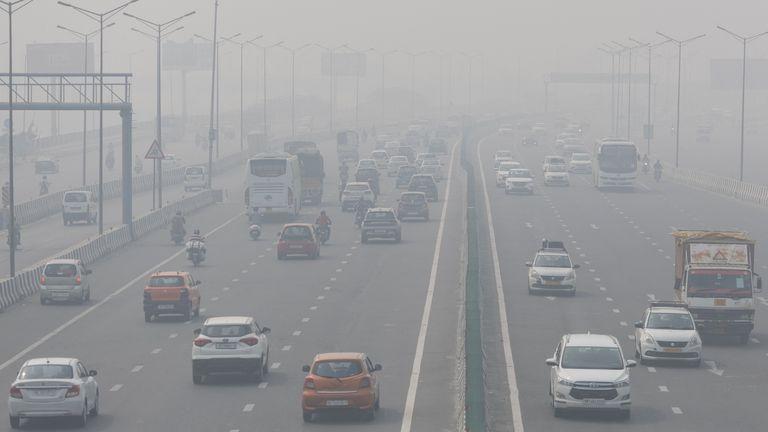
This connection is especially significant because many of the world’s dengue hotspots overlap with regions that also record dangerous levels of air pollution. Large cities across Asia and Latin America often struggle with traffic emissions, industrial pollution, construction dust, and seasonal smog — all while dealing with recurring dengue outbreaks during warmer and wetter periods. The study therefore raises concerns that millions of people may be facing a dual environmental and infectious threat.
Researchers say the findings should encourage policymakers to think more broadly about disease prevention. Dengue control has traditionally focused on mosquito management, sanitation, early diagnosis, and clinical treatment. But if pollution exposure also shapes disease severity, then air quality could become an important part of the broader public health conversation around dengue preparedness and response.
The implications are potentially far-reaching. In low- and middle-income countries, where rapid urbanisation often outpaces environmental regulation and healthcare access, vulnerable populations may be disproportionately affected. Poorer communities frequently live in areas with higher pollution exposure, inadequate waste management, stagnant water accumulation, and limited access to timely medical care — conditions that can intensify both dengue transmission and poor health outcomes.
Health experts caution that while the study highlights a compelling association, more research will be needed to establish the full extent of the relationship and determine which pollutants are most strongly linked to severe dengue. Future studies may also examine how duration of exposure, age, pre-existing illness, and socioeconomic conditions interact with viral infection risks.
Still, the findings reinforce a broader scientific understanding that environmental degradation can amplify health threats in complex ways. Air pollution has already been associated with asthma, heart disease, stroke, lung cancer, and adverse pregnancy outcomes. Its potential role in infectious disease severity adds to the urgency of tackling poor air quality as a major public health priority rather than treating it only as an environmental issue.
For governments and city planners, the research could serve as a warning that pollution control measures may have benefits beyond reducing chronic disease. Cleaner transportation systems, stricter industrial standards, greener urban planning, and better emission controls could contribute not just to healthier lungs but possibly to better resilience against infectious illnesses as well.
As climate change, urban crowding, and shifting mosquito habitats continue to expand the reach of dengue, the new findings underline the need for integrated health strategies. Fighting dengue may no longer be just about controlling mosquitoes — it may also require cleaning the air people breathe every day.
The study ultimately points to a stark reality: environmental stressors do not act in isolation. In cities where toxic air and mosquito-borne disease coexist, the combined burden may be greater than previously recognized. That makes the challenge of protecting public health even more urgent — and even more interconnected — than before.
This article may be prepared with the assistance of artificial intelligence (AI) and is reviewed before publication. While we aim for accuracy and timeliness, readers should verify important facts from official or primary sources. If you believe any information is inaccurate or that any content infringes your rights, please contact ainewsbreaking.com for review and appropriate action.