Domestic LPG Refill Booking Systems Put to the Test as Customer Rush Surges Across India Amid Supply Concerns
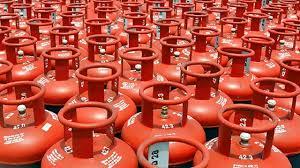
Domestic cooking gas booking platforms across India faced an unprecedented surge in demand as millions of households rushed to secure Liquefied Petroleum Gas (LPG) cylinder refills amid rising global energy tensions and concerns about supply disruptions.
With geopolitical instability affecting energy markets worldwide, the sudden spike in refill bookings put immense pressure on the digital infrastructure and distribution networks of India’s major oil marketing companies. Authorities and energy firms moved quickly to test, reinforce, and expand the capacity of LPG booking systems to ensure uninterrupted access to cooking fuel for households.
Officials confirmed that multiple system stress tests and contingency plans were implemented to ensure the country’s domestic LPG supply chain remains stable despite the surge in demand.
The development highlights the critical importance of LPG in India’s household energy ecosystem, where hundreds of millions of families depend on cylinder-based cooking gas for daily meals.
Sudden Surge in LPG Refill Bookings
In the past several days, LPG distributors and booking platforms reported a sharp increase in refill requests from customers across urban and rural regions.
Energy officials attribute the spike to several factors:
- Concerns about potential supply disruptions due to global conflicts
- Increased household consumption during ongoing uncertainties
- Panic booking by customers attempting to secure additional cylinders
- Social media rumors about possible shortages
As a result, booking portals, mobile applications, and call center systems experienced unusually high traffic volumes.
The majority of refill requests were made through digital platforms operated by India’s three major oil marketing companies:
- Indian Oil Corporation
- Bharat Petroleum Corporation Limited
- Hindustan Petroleum Corporation Limited
These companies collectively supply LPG cylinders to hundreds of millions of Indian households under the country’s vast cooking gas distribution network.
Government Moves to Test System Capacity
Recognizing the sudden demand spike, officials initiated comprehensive system checks to ensure LPG booking infrastructure could handle the surge without disruptions.
Technical teams conducted stress testing of booking platforms, including:
- Online booking websites
- Mobile applications
- SMS-based booking services
- Interactive voice response (IVR) systems
- Distributor management platforms
The tests simulated millions of simultaneous refill requests to ensure that the digital systems could process bookings efficiently even during peak demand.
According to officials, these tests were crucial to prevent technical failures that could delay deliveries or create panic among consumers.
Authorities emphasized that the booking systems remained stable despite the heavy traffic.
LPG Supply Chain Remains Stable
Government sources stressed that India currently has adequate LPG reserves and that the surge in bookings is primarily driven by precautionary consumer behavior rather than actual shortages.
India maintains a robust LPG supply network that includes:
- Domestic refineries
- Import terminals
- large storage depots
- transportation networks
- thousands of local distributors
Energy officials reassured citizens that supply remains steady and that there is no immediate threat to LPG availability.
They urged consumers to avoid panic booking and to follow regular refill cycles.
Importance of LPG for Indian Households
LPG plays a central role in India’s domestic energy landscape.
Over the past decade, the government has significantly expanded access to clean cooking fuel through large-scale welfare programs, particularly the Pradhan Mantri Ujjwala Yojana.
The scheme has helped millions of low-income families transition from traditional fuels like wood, coal, and dung to LPG cylinders.
Today:
- More than 300 million LPG connections exist across India
- Rural penetration has increased significantly
- LPG has become the primary cooking fuel for a majority of households
Because of this widespread dependence, even minor disruptions in supply can cause significant public concern.
Digital Transformation of LPG Booking Systems
India’s LPG distribution system has undergone major digital transformation in recent years.
Consumers can now book refills using several convenient methods, including:
Mobile Applications
Oil companies have launched official apps that allow users to:
- Book LPG refills instantly
- Track delivery status
- Make online payments
- Receive booking confirmations
SMS and Missed Call Booking
Customers can also book LPG cylinders by sending SMS messages or giving a missed call to designated numbers.
Online Portals
Web-based platforms allow users to schedule refills, view consumption history, and manage subscriptions.
Distributor Networks
Traditional distributor-based bookings are still available for customers who prefer offline services.
This digital ecosystem allows companies to handle millions of refill requests every day.
Logistics Challenges During Demand Surges
While booking systems may handle digital traffic efficiently, the real challenge lies in the logistics of delivering cylinders to households.
LPG distribution involves a complex supply chain including:
- Cylinder filling plants
- Bulk storage facilities
- Transportation via trucks and rail
- Local distributor warehouses
- Last-mile delivery agents
During sudden spikes in bookings, companies must coordinate all these components carefully to avoid delays.
Oil companies have reportedly increased monitoring of delivery schedules to ensure timely distribution.
Global Energy Tensions Driving Consumer Anxiety
The surge in LPG refill bookings coincides with growing instability in global energy markets.
Recent geopolitical tensions in the Middle East have triggered concerns about disruptions in oil and gas supplies worldwide.
Energy analysts note that conflicts in major oil-producing regions often lead to volatility in fuel prices and supply chains.
Although India sources LPG from multiple countries and maintains strategic reserves, global events can still influence domestic markets.
Consumers may therefore react quickly to news about energy disruptions by increasing bookings.
Government Appeals Against Panic Buying
Authorities have urged consumers to remain calm and avoid panic-driven bookings.
Energy officials stressed that:
- LPG supply remains adequate
- Distribution networks are functioning normally
- Booking platforms are operational
- Deliveries will continue as scheduled
Government representatives warned that unnecessary bulk bookings could strain distribution systems and delay deliveries for others.
Officials advised households to book refills only when necessary.
Oil Companies Strengthen Customer Support
To handle the surge in inquiries and bookings, oil marketing companies have expanded customer support services.
These measures include:
- Increasing call center staffing
- Enhancing server capacity for digital platforms
- Deploying additional delivery vehicles
- Monitoring distributor-level inventory
Customer helplines were also reinforced to assist users facing technical issues while booking refills.
Officials say these steps are aimed at maintaining smooth operations during periods of unusually high demand.
Role of Technology in Managing Energy Distribution
Modern technology plays an increasingly important role in managing India’s vast LPG network.
Advanced systems help companies track:
- Cylinder movement across the supply chain
- Distributor inventory levels
- Delivery schedules
- Customer booking patterns
Data analytics also helps identify unusual demand spikes and allows companies to respond quickly.
For example, if a particular region experiences sudden high booking volumes, additional supply can be redirected to prevent shortages.
Rural Areas Remain a Key Focus
Ensuring reliable LPG supply in rural areas remains a major priority.
Many villages depend on LPG cylinders delivered through local distributors.
Transportation challenges, weather conditions, and infrastructure limitations can sometimes affect delivery timelines.
During high-demand periods, companies coordinate closely with rural distributors to ensure that remote communities continue receiving fuel supplies without interruption.
Impact on LPG Prices
Another concern among consumers is the possibility of rising LPG prices.
Domestic LPG prices in India are influenced by several factors:
- International crude oil prices
- Global LPG market rates
- Currency exchange rates
- Government subsidy policies
Energy experts say global geopolitical tensions could potentially push prices upward if supply disruptions become severe.
However, government officials have not announced any immediate changes in domestic LPG pricing.
Strategic Importance of LPG Reserves
India maintains strategic energy reserves to protect against potential supply disruptions.
These reserves include:
- Crude oil stockpiles
- LPG storage facilities
- emergency import arrangements
Such measures help ensure that domestic fuel supply remains stable even during global crises.
Energy planners say these reserves provide a crucial buffer that allows the country to maintain fuel availability during periods of uncertainty.
Future of Cooking Energy in India
While LPG currently dominates India’s cooking fuel sector, the country is also exploring alternative energy solutions.
These include:
- Piped natural gas networks
- Electric induction cooking
- Biogas systems in rural areas
- Renewable energy solutions
However, experts believe LPG will remain the primary cooking fuel for millions of households for many years to come.
Expanding reliable supply infrastructure will therefore remain a key national priority.
Ensuring Consumer Confidence
Maintaining public confidence in energy supply systems is essential during times of uncertainty.
Transparent communication from government authorities and oil companies plays a vital role in preventing panic buying.
Officials say regular updates about supply levels and distribution operations help reassure consumers and stabilize demand patterns.
Efforts to strengthen digital infrastructure and supply chains also help ensure that the LPG distribution network remains resilient.
This article may be prepared with the assistance of artificial intelligence (AI) and is reviewed before publication. While we aim for accuracy and timeliness, readers should verify important facts from official or primary sources. If you believe any information is inaccurate or that any content infringes your rights, please contact ainewsbreaking.com for review and appropriate action.