East Africa’s Largest Media House Taken Over by Tycoon: Press Freedom Concerns Mount
A major shift in the East African media landscape has ignited serious concerns about press freedom and editorial independence after a Tanzanian billionaire acquired control of the region’s most influential media organisation — a development that critics fear could weaken journalistic autonomy and amplify political influence over news coverage.
A Historic Ownership Change
On March 10, 2026, the Aga Khan Fund for Economic Development (AKFED) sold its controlling stake of 54.08% in the Nation Media Group (NMG) — East Africa’s largest and most respected media house — to Rostam Azizi’s Taarifa Ltd, ending more than 66 years of stewardship by the Aga Khan family. The deal marks one of the region’s most significant media ownership shifts in decades.
NMG’s reach spans newspapers, television, radio, and digital platforms, with leading titles such as the Daily Nation, The EastAfrican, Business Daily, The Monitor (Uganda), and The Citizen (Tanzania) — making it a key source of news and information for millions across Kenya, Uganda, Tanzania, and Rwanda.
Who Is Rostam Azizi?
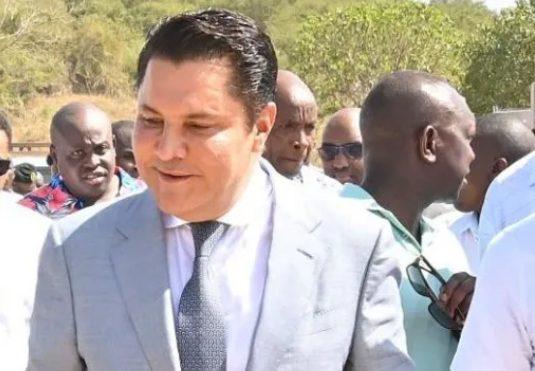
Rostam Azizi is one of Tanzania’s wealthiest businessmen, with diversified interests in energy, mining, telecoms, and real estate. His investment vehicle, Taarifa Ltd, completed the purchase of NMG’s controlling stake from AKFED — a move he described as part of a plan to “revitalise” the media group for the digital age and appeal to younger audiences in a rapidly growing region. He has vowed to respect editorial independence and uphold institutional stability under his ownership.
However, Azizi also has well‑documented close ties to political leaders in the region, including links to former and current heads of state in Tanzania and Kenya, which has raised alarm bells among media professionals and civil society activists.
Why This Matters for Press Freedom
For decades, Nation Media has been considered a bastion of independent journalism in East Africa — a counterweight to state‑controlled outlets and one of the few institutions consistently holding governments and powerful interests accountable. Its titles and broadcasts have played a critical role in public discourse, political coverage, and investigative reporting across multiple countries.
The sale to a politically connected tycoon has therefore prompted widespread concern:
- Loss of Editorial Independence: Journalists and media analysts fear that private ownership by a figure with strong political ties could translate into editorial interference or subtle pressure to align reporting with political interests, especially on sensitive topics or during elections.
- Undermining Public Trust: A key pillar of trust in news media is perceived neutrality. Ownership by a business magnate risks blurring the line between independent journalism and corporate or political narratives that could erode audiences’ confidence in unbiased reporting.
- Regional Political Influence: Given NMG’s reach, any shift in editorial direction has implications across several nations with fragile media ecosystems, where press freedom scores are already under pressure and media ownership concentration is seen as a factor in diminishing pluralism.
Reactions and Skepticism
Even though Azizi has pledged to safeguard editorial integrity and invest in the group’s digital transformation, many observers remain sceptical:
- Former senior editors and veteran journalists have publicly questioned whether the acquisition genuinely reflects a long‑term commitment to independent journalism or whether it might be a means to consolidate influence over narrative and public opinion.
- Some critics suggest that questions still remain about who ultimately stands behind the acquisition, with fears that political interests might be exerting influence behind the scenes.
- Grassroots reaction — particularly on social media and among civil society circles — frames the shift not simply as a business transaction, but as a potential strategic annexation of the “Fourth Estate” ahead of regional political cycles.
The Broader Media Freedom Context in Africa
Concerns about media freedom in East Africa do not exist in isolation. Across the continent, press freedom faces mounting challenges, including:
- Concentration of media ownership in the hands of few powerful individuals or corporations, often with close ties to governments and political elites.
- Economic pressures that make private media outlets vulnerable to state advertising influence or commercial interests that can shape editorial priorities.
- Legal and regulatory environments that can be used to muzzle independent reporting — with journalists facing threats, harassment, or legal action over sensitive coverage.
These dynamics underscore the fragile state of press freedom in the region and the potential impact of changes in ownership of major media institutions.
This article may be prepared with the assistance of artificial intelligence (AI) and is reviewed before publication. While we aim for accuracy and timeliness, readers should verify important facts from official or primary sources. If you believe any information is inaccurate or that any content infringes your rights, please contact ainewsbreaking.com for review and appropriate action.