
Election Commission Orders Fresh Police Leadership in Four Key TN Districts to Strengthen Poll Preparations Ahead of 2026 Assembly Elections
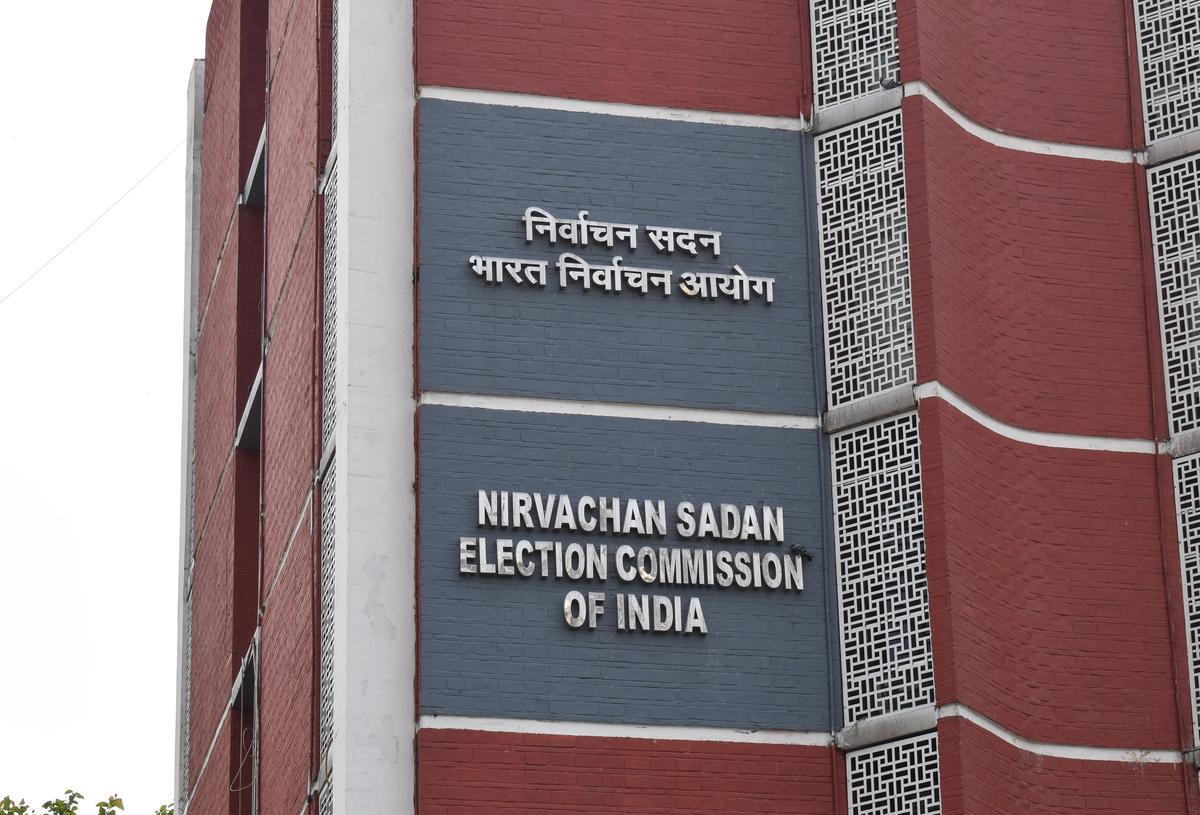
As the countdown intensifies for the 2026 Tamil Nadu Legislative Assembly elections, slated for 23 April 2026, the Election Commission of India (ECI) has taken a significant administrative step to ensure the impartiality and credibility of the electoral process. On 16 March 2026, the Commission directed the Tamil Nadu government to appoint new Superintendents of Police (SPs) in four districts — Erode, Karur, Nagapattinam and Virudhunagar — and mandated that the transfers be effected immediately, with compliance reports due by the next morning.
This move forms part of a broader strategy adopted by the ECI to uphold constitutional norms of neutrality and to reinforce administrative readiness in the final weeks leading up to the polls. In electoral democracy, law and order play a vital role in facilitating the free choice of voters, and senior police leadership at the district level is often central to this preparation.
Why These Transfers Matter
India’s electoral system is overseen by the Election Commission, a constitutional authority empowered under Article 324 of the Constitution to supervise and control elections across the country. In practice, this includes setting election schedules, enforcing the Model Code of Conduct (MCC), monitoring electoral expenditures, overseeing voter roll accuracy, and — crucially — ensuring that executive and law enforcement officials discharge their duties in an unbiased manner.
Model Code of Conduct restrictions take effect the moment election dates are announced, and strict rules govern the conduct of governments, political parties and officials during this period. As a result, senior officials in sensitive positions — particularly district police chiefs — are often reshuffled ahead of polls to prevent any perception of undue influence or partisanship. The recent ECI directive aligns with this standard electoral practice.
Appointments and Transfers: Who’s Who
According to the official communication from the Election Commission:
- D.N. Harikiran Prasad has been appointed Superintendents of Police (SP) for Karur district.
- D.V. Kiran Shruthi will take charge as SP of Erode district.
- Sujith Kumar will serve as SP of Nagapattinam district.
- N. Shreenatha has been posted as SP of Virudhunagar district.
The Commission also ordered that officers moved out of these roles must not be assigned any election‑related duties until the polls conclude — a clear effort to prevent conflicts of interest and reinforce the integrity of law enforcement during the poll period.
The Road to Tamil Nadu’s 2026 Assembly Polls
The 2026 Tamil Nadu Legislative Assembly election comes at the end of the five‑year term of the current 16th assembly, established after the 2021 polls. This election will decide all 234 legislative seats in the state.
The Election Commission finalized and announced the poll schedule on 15 March 2026. Following this announcement, the Model Code of Conduct automatically came into force, limiting government activity that could unduly influence voters and requiring immediate preparation from election officials across the state.
Under the announced schedule:
- 30 March 2026: Filing of nominations begins
- 6 April 2026: Deadline for nominations
- 7 April 2026: Nomination scrutiny
- 9 April 2026: Withdrawal deadline
- 23 April 2026: Date of polling
- 4 May 2026: Counting and results declaration
This timetable leaves a narrow window for electoral preparations — from finalizing voter rolls to deploying officials and enforcing MCC provisions statewide.
Broader Electoral Preparations Underway
The recent reshuffle of police leadership is part of a larger administrative choreography being implemented across Tamil Nadu:
1. Enforcing the Model Code of Conduct
The MCC’s activation triggered swift actions by election officials to ensure fairness. This includes GPS tracking of flying squads that monitor illegal inducements, removal of political signage from government properties, and strict documentation requirements for individuals carrying large amounts of cash — moves designed to curb illicit influence and ensure compliance.
2. Voter Roll Preparation and Revisions
In late 2025, the Commission conducted a nationwide Special Intensive Revision (SIR) of electoral rolls, including in Tamil Nadu, aimed at updating the voter list to reflect current resident populations and clean up outdated or duplicate entries. This step is crucial given the potential impact of voter list accuracy on electoral outcomes.
3. District‑Level Election Machinery Coordination
Throughout the state, District Election Officers and police officials have been working to align resources for efficient voter facilitation, safety, and compliance monitoring. The reshuffling of SPs adds another layer of institutional accountability to this exercise.
Why These Four Districts?
Each of the four districts targeted in the SP realignment — Erode, Karur, Nagapattinam and Virudhunagar — holds particular strategic importance in Tamil Nadu politics:
Erode
Situated in western Tamil Nadu, Erode district is a significant agro‑industrial hub with a substantial electorate. It also includes constituencies such as Erode East represented by senior leaders like V. C. Chandhirakumar (a sitting MLA). With its mix of urban and rural voters and a competitive political environment, maintaining law and order here is critical for credible polling.
Karur
Karur district, while smaller in geographic size compared to some neighbouring regions, has historically witnessed intense political contestation. With multiple assembly segments and a diverse electorate, administrative neutrality during elections is key to avoiding any disruptions or allegations of favouritism.
Nagapattinam
Located on Tamil Nadu’s eastern coast, Nagapattinam has a distinct socio‑cultural context and voter base. Coastal districts often have their own logistical challenges during elections and require robust administrative oversight to ensure seamless poll conduct.
Virudhunagar
Virudhunagar district plays an influential role in southern Tamil Nadu’s political map. With a blend of urban and rural assembly segments, it presents unique law and order dynamics that need strong, unbiased leadership during the election cycle.
In each of these districts, the ECI’s decision to freshen up senior police leadership is grounded in the constitutional imperative of ensuring a level playing field for all political actors.
Administrative Neutrality: The Larger Purpose
The ECI’s authority to direct transfers and postings is backed by legal provisions designed to uphold fair election practices. During the MCC period, officials — including police officers — are expected to act without bias, resisting influence from political pressures while safeguarding public order.
By placing freshly appointed SPs in these districts, the Commission aims to:
- Minimise perceived local biases by rotating officers with longer tenures in sensitive roles.
- Prevent misuse of office during critical weeks leading up to polling.
- Enhance coordination between law enforcement and district election machinery.
These measures not only strengthen the institutional integrity of the voting process but also build confidence among voters and political parties alike.
This article may be prepared with the assistance of artificial intelligence (AI) and is reviewed before publication. While we aim for accuracy and timeliness, readers should verify important facts from official or primary sources. If you believe any information is inaccurate or that any content infringes your rights, please contact ainewsbreaking.com for review and appropriate action.