Escalating Middle East Conflict: Rescue Efforts Underway After US Refueling Plane Crashes in Iraq Amidst Regional Turmoil
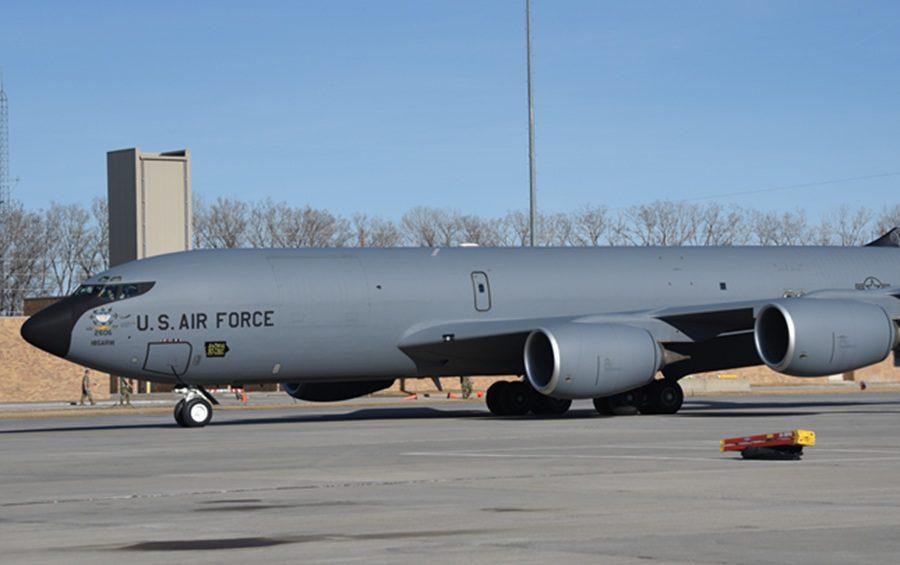
The ongoing conflict in the Middle East has taken a perilous turn, with a US refueling plane crashing in Iraq, prompting a rescue effort, while tensions between the US, Israel, and Iran continue to escalate. According to the US Central Command, the aircraft, a KC-135, went down in “friendly airspace” with at least five crew members on board, and rescue efforts are currently underway. The incident has sparked concerns over the safety of military personnel and the potential for further destabilization in the region.
The crash, which occurred in an area not attributed to hostile or friendly fire, has raised questions about the circumstances surrounding the incident. A US official, speaking on condition of anonymity, revealed that the plane was involved in a incident with another aircraft, which landed safely. The US Central Command has assured that the cause of the crash is being investigated, and the rescue operation is a top priority.
Meanwhile, the conflict between Israel and Iran has intensified, with Israel launching fresh strikes on Tehran and Beirut. The Israeli prime minister, Benjamin Netanyahu, has issued a veiled threat against Iran’s new supreme leader, warning that Israel will take decisive action to prevent Iran from advancing its nuclear and ballistic programs. The US has echoed Israel’s stance, with President Donald Trump affirming that the war on Iran is “moving along very rapidly” and that Iran is “paying a big price” for its actions.
The conflict has far-reaching implications for the global economy, with the Middle East war creating the “largest supply disruption in history of oil markets.” The US Treasury Secretary, Scott Bessent, has announced plans to escort vessels through the Strait of Hormuz, a critical shipping lane, once the US has “complete control of the skies” and Iran’s missile capabilities are degraded. This move aims to mitigate the impact of the conflict on global oil supplies and ensure the safe passage of ships through the region.
In a related development, the US President has expressed reservations about Iran’s participation in the upcoming World Cup, citing concerns for the safety of the Iranian national football team. While Trump stated that the team is “welcome” to participate, he questioned the wisdom of their attendance, given the current tensions.
The conflict has also had a ripple effect on other countries in the region, with six French soldiers engaged in counter-terrorism training with Iraqi partners wounded in a drone attack. The US and UK forces stationed in Erbil, northern Iraq, came under attack from an Iranian drone, although no significant injuries were reported.
As the situation continues to unfold, Saudi Arabia’s defense forces have intercepted a drone heading towards the Shaybah oil field, as well as a ballistic missile and three drones launched towards the country’s eastern region. Qatar’s defense ministry has also reported intercepting two ballistic missiles, one cruise missile, and multiple drones launched from Iran.
The escalating conflict has sparked widespread concerns about the impact on regional stability and the global economy. As the situation continues to evolve, it remains to be seen how the international community will respond to the growing crisis in the Middle East. One thing is certain, however: the region is poised for further turmoil, and the consequences of the ongoing conflict will be far-reaching and profound.
This article may be prepared with the assistance of artificial intelligence (AI) and is reviewed before publication. While we aim for accuracy and timeliness, readers should verify important facts from official or primary sources. If you believe any information is inaccurate or that any content infringes your rights, please contact ainewsbreaking.com for review and appropriate action.