Escalating Tensions: US Prepares for Intensified Military Campaign Against Iran
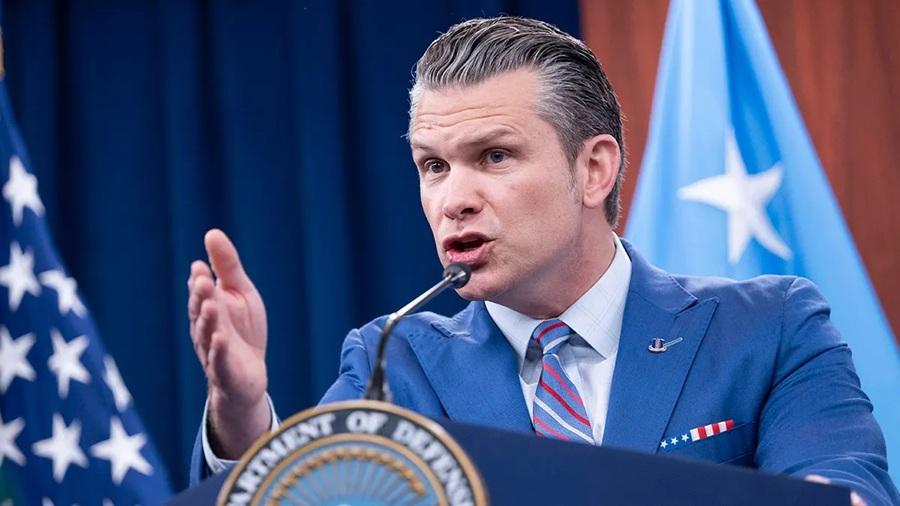
The United States is poised to launch a significant escalation of its military campaign against Iran, with senior defense officials indicating that the most intense phase of airstrikes is yet to come. Pentagon Chief Pete Hegseth has revealed that the US military is gearing up to deploy its largest-ever contingent of fighter jets and bombers to the region, in a bid to ratchet up pressure on the Iranian regime. This latest development comes as tensions between Washington and Tehran continue to simmer, with no clear end in sight to the ongoing conflict.
According to Hegseth, the upcoming days will witness a marked increase in the frequency and intensity of US airstrikes against Iranian targets. The Pentagon Chief’s comments suggest that the US is committed to a long-term military campaign, with the ultimate goal of weakening Iran’s military capabilities and undermining its influence in the region. The duration of the conflict, however, remains uncertain, with Hegseth emphasizing that the pace and scope of the military campaign will be dictated by the decisions of President Donald Trump.
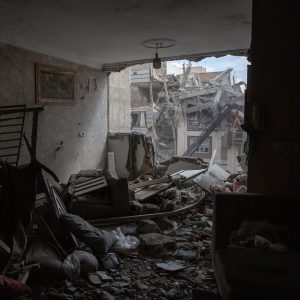
The impending escalation of US military action against Iran has sparked widespread concern among international observers, who fear that the conflict could have far-reaching and unpredictable consequences. The Middle East region is already a tinderbox of tensions, with multiple conflicting factions and interests at play. The introduction of increased US military firepower into this volatile mix threatens to destabilize the entire region, with potential repercussions for global security and economic stability.
As the US prepares to unleash its most intense barrage of airstrikes yet, Iranian military commanders have vowed to retaliate against American targets, both at home and abroad. The Iranian regime has consistently maintained that it will not back down in the face of US aggression, and that it will take all necessary measures to defend its sovereignty and territorial integrity. This defiant stance has raised fears of a potential miscalculation or accident, which could quickly escalate the conflict into a full-blown war.
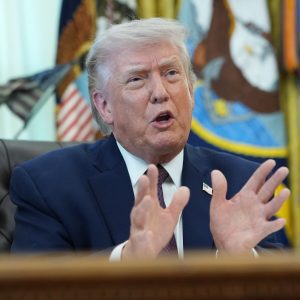
Despite the mounting tensions, President Trump has shown no signs of backing down, insisting that the US will continue to apply maximum pressure on Iran until it agrees to abandon its nuclear ambitions and cease its support for militant proxy groups. The US has long accused Iran of pursuing a clandestine nuclear weapons program, as well as providing financial and military backing to extremist organizations operating in the region. Tehran, however, has consistently denied these allegations, maintaining that its nuclear program is purely peaceful in nature.
As the situation continues to unfold, international leaders are urging restraint and caution, calling on all parties to engage in diplomatic efforts to resolve the crisis peacefully. The United Nations, the European Union, and other major world powers have all emphasized the need for de-escalation and dialogue, warning that a prolonged and intensified conflict could have disastrous consequences for the entire region. Whether these appeals for calm will be heeded remains to be seen, as the US and Iran appear to be locked on a collision course, with no clear exit strategy in sight.
This article may be prepared with the assistance of artificial intelligence (AI) and is reviewed before publication. While we aim for accuracy and timeliness, readers should verify important facts from official or primary sources. If you believe any information is inaccurate or that any content infringes your rights, please contact ainewsbreaking.com for review and appropriate action.