EU Considers Role in Securing Strait of Hormuz Following Trump’s Call
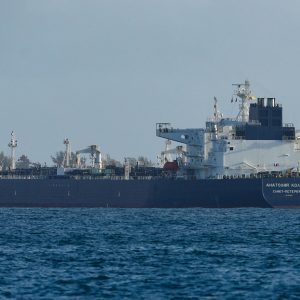
Europe’s top foreign policy leaders are actively discussing options to help ensure the security and reopening of the Strait of Hormuz — a key chokepoint for global energy transport — after U.S. President Donald Trump urged allies to join in maritime security efforts amid rising regional conflict.
Why the Strait of Hormuz Matters
The Strait of Hormuz is one of the world’s most critical maritime routes, with roughly 20–30% of global crude oil and liquefied natural gas passing through it under normal conditions. Recent disruptions due to escalating conflict involving the United States, Israel, and Iran have severely impacted energy supplies and global market stability.
President Trump has been publicly pushing for a coalition of nations to help keep the strait “open and safe” for international shipping. He warned that allies who benefit from Middle East energy flows have a responsibility to help secure them, and suggested that failure to cooperate could have broader consequences for alliances like NATO.
EU Diplomacy and Military Options Under Discussion
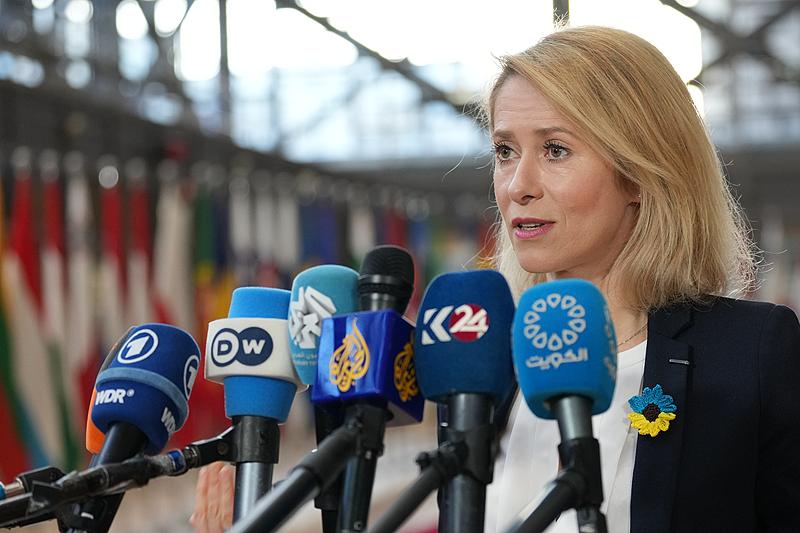
The EU’s top diplomat, Kaja Kallas, is leading discussions with member states about shifting or expanding existing naval operations to address the Strait of Hormuz situation.
- Proposal to shift naval mission: Kallas suggested the EU could adapt its existing maritime mission — Operation Aspides — currently focused on the Red Sea, to help secure shipping in the strategic strait. This approach is modeled on past cooperative mechanisms like the Black Sea grain deal that kept critical sea routes open during conflict.
- Diplomatic engagement: Kallas also reportedly discussed with United Nations officials about frameworks for coordinated maritime security alongside diplomatic efforts aimed at de‑escalation.
Although the focus is on maintaining free and safe passage, no definitive EU military deployment has been agreed yet, and member states bring varied views on the level of involvement.
Individual Member States Consider Roles
Several European countries have expressed interest in supporting efforts — but with caution:
- Denmark’s foreign minister said Copenhagen is weighing requests and keeping an “open mind” about what role it could play, given its maritime tradition and experience with past coalition missions.
- France, Italy, Spain and others are seen as potential contributors to joint initiatives, whether naval escorts or surveillance cooperation, though discussions emphasize diplomatic clarity and long‑term strategy over immediate military action.
Global and Strategic Context
Europe’s deliberations come as energy markets feel the shock of disruptions in the Strait of Hormuz, pushing crude prices sharply higher and raising fears of economic slowdown and inflation worldwide. Governments are balancing strategic support for allies with concerns about escalation and the legal basis for military operations far from home.
The situation underscores a broader diplomatic push — with both U.S. pressure for shared security responsibility and EU efforts to assert a coordinated, rules‑based response just as conflicts in the Middle East ripple outward into global geopolitics.
This article may be prepared with the assistance of artificial intelligence (AI) and is reviewed before publication. While we aim for accuracy and timeliness, readers should verify important facts from official or primary sources. If you believe any information is inaccurate or that any content infringes your rights, please contact ainewsbreaking.com for review and appropriate action.