
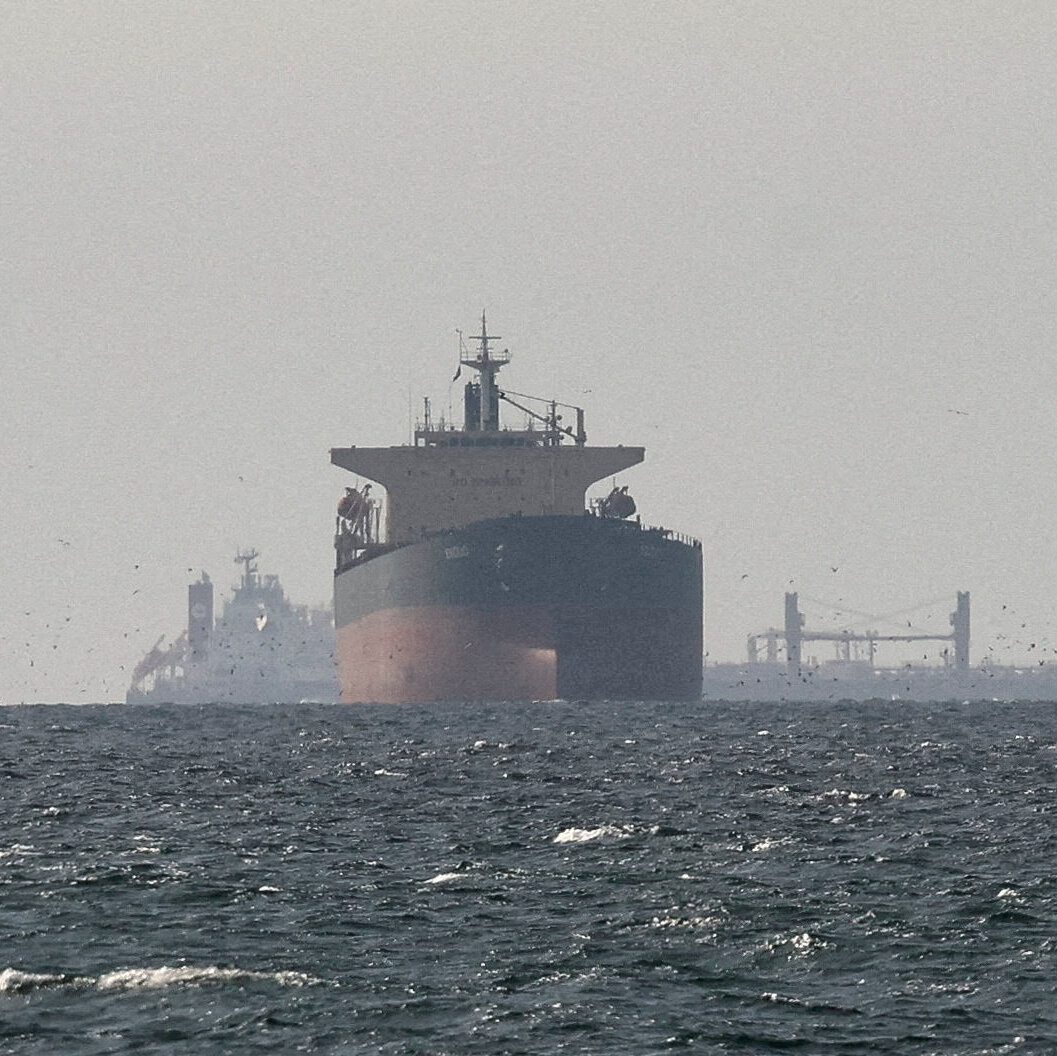
European Shipping Hopes Rest on Thin Ice in the Strait of Hormuz
The Strait of Hormuz, a vital waterway connecting the Middle East to global markets, remains a point of contention for European nations, Iranian authorities, and the global shipping community. Despite ongoing diplomatic efforts, European leaders are facing significant challenges in restoring safe passage for merchant vessels through the strategic strait once tensions with Iran subside.
Following the Iran-US conflict in 2020, concerns over ship safety and territorial disputes have driven the European Union to explore alternatives. However, with no clear resolution in sight, officials are reiterating the need for a collaborative effort to address the region’s security concerns and reopen the Strait of Hormuz to free flow of international trade.
The EU has been working with regional partners to establish alternative shipping routes, but this plan faces substantial logistical and economic hurdles. Developing and implementing new routes could divert shipping through Egyptian waters, adding significant time and cost to cargo operations. Moreover, establishing new shipping lanes would necessitate the development of additional infrastructure and a range of logistical investments.
Several potential solutions have been floated by European and regional leaders. These include negotiating directly with Iran to ensure safe passage and exploring enhanced maritime security cooperation among regional states. However, diplomatic tensions, conflicting national interests, and the complex web of Iranian naval defenses pose significant obstacles to finding a workable solution.
Regional leaders have emphasized the need for multilateral dialogue to address security concerns and develop mutually acceptable alternatives. The European Union and regional nations have expressed commitment to finding a lasting solution to the Strait’s operational challenges and ensuring the continued safety of international shipping.
While European officials have not ruled out the possibility of using military escorts or coalition patrols to boost security, this option remains contentious and raises fresh concerns about escalating regional tensions. In this volatile environment, European leaders will need to carefully weigh their options and engage in sustained diplomatic efforts to address the Strait of Hormuz’s operational challenges.
This article may be prepared with the assistance of artificial intelligence (AI) and is reviewed before publication. While we aim for accuracy and timeliness, readers should verify important facts from official or primary sources. If you believe any information is inaccurate or that any content infringes your rights, please contact ainewsbreaking.com for review and appropriate action.