
European Union Introduces New Biometric Entry System for Travelers in April, Streamlining Border Control and Enhancing Security
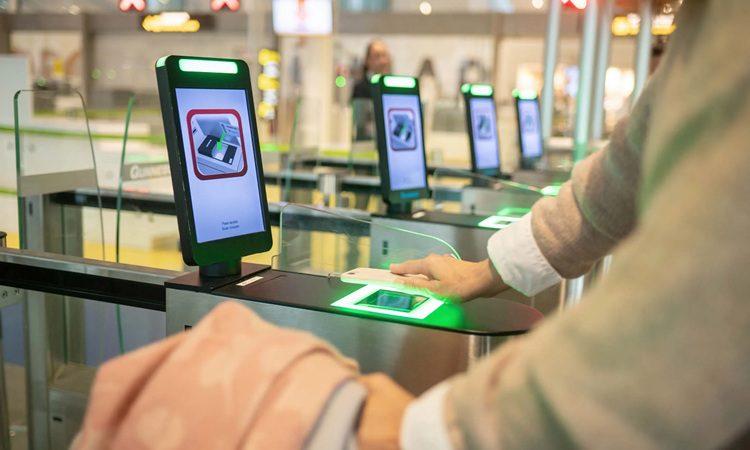
The European Union is set to launch its new biometric entry system for travelers in April, a move that aims to streamline border control and enhance security across the region. This system, which has been in development for several years, uses advanced biometric technology to verify the identity of travelers and ensure a seamless and secure entry process.
The new system will utilize facial recognition technology, among other biometric identifiers, to verify the identity of travelers. This will eliminate the need for manual checks and reduce wait times at border control points. The EU has been testing the system in various countries, with promising results, and is now ready to roll it out across the entire region.
One of the key benefits of the new system is that it will enable faster and more efficient processing of travelers, reducing the risk of delays and congestion at border control points. This will be particularly beneficial during peak travel seasons, when large numbers of travelers are entering the EU. Additionally, the system will provide an additional layer of security, helping to prevent identity fraud and other security threats.
The launch of the new biometric entry system is part of a broader effort by the EU to enhance security and streamline border control processes. The EU has been working to develop a range of new technologies and systems to support these efforts, including advanced biometric identification systems and improved data sharing and analytics capabilities.
The introduction of the new system is expected to have a significant impact on travel to and from the EU, and travelers can expect a smoother and more efficient entry process. With the launch of the new biometric entry system, the EU is taking a major step forward in its efforts to enhance security and streamline border control, and travelers will be among the first to benefit from these changes.
This article may be prepared with the assistance of artificial intelligence (AI) and is reviewed before publication. While we aim for accuracy and timeliness, readers should verify important facts from official or primary sources. If you believe any information is inaccurate or that any content infringes your rights, please contact ainewsbreaking.com for review and appropriate action.