Europe’s Gas Crisis Rekindles Global Interest in African LNG Opportunities Amid Energy Security Fears
Europe is once again facing a fresh wave of energy uncertainty, and this latest gas market shock is rapidly pushing African liquefied natural gas (LNG) back into the global spotlight. As supply disruptions, geopolitical tensions, and volatile pricing continue to rattle European markets, countries across Africa are emerging as critical players in reshaping the future of global energy flows.
Europe’s New Gas Shock: What’s Driving the Crisis?
The European energy market has been thrown into turmoil due to a combination of factors:
- Renewed geopolitical instability affecting key gas transit routes
- Reduced pipeline flows from traditional suppliers
- Increasing competition for LNG cargoes globally
- Unpredictable demand spikes due to weather and industrial recovery
Since the fallout of the Russia-Ukraine War, Europe has been working aggressively to reduce its dependence on Russian pipeline gas. While diversification efforts initially stabilized supply, the latest disruptions have exposed ongoing vulnerabilities in Europe’s energy security framework.
Gas prices across European hubs have surged again, reminding policymakers that the continent remains highly exposed to external shocks despite recent progress in renewable energy and storage capacity.
African LNG: A Strategic Alternative
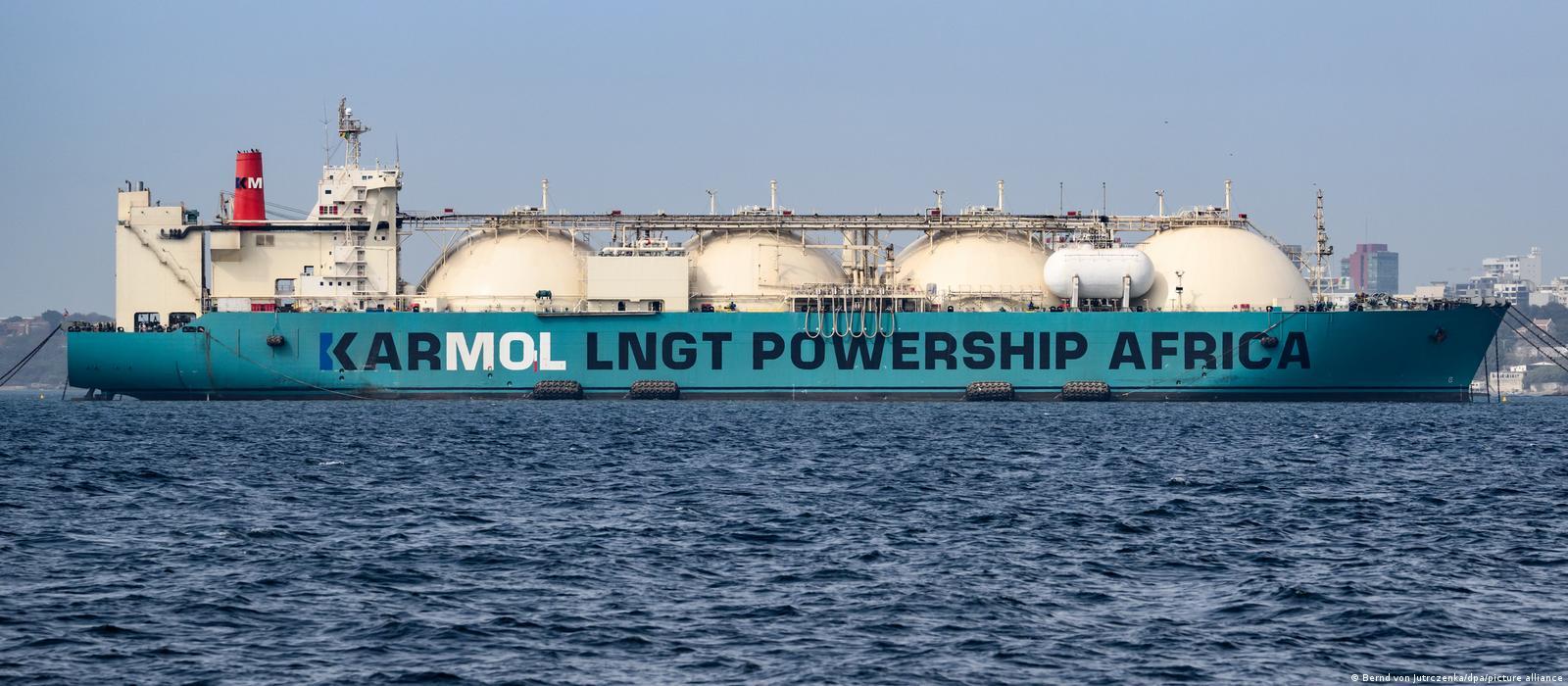
Amid this uncertainty, Africa is re-emerging as a key alternative supplier of LNG. With vast untapped reserves and increasing investment in infrastructure, several African nations are well-positioned to help fill Europe’s energy gap.
Key African LNG Producers in Focus
- Nigeria – One of Africa’s largest LNG exporters with established infrastructure
- Mozambique – Home to massive offshore gas discoveries, though projects have faced delays
- Senegal and Mauritania – Emerging LNG hubs with new projects nearing completion
- Algeria – A long-time supplier to Europe via both pipelines and LNG
These nations are attracting renewed attention from European buyers eager to secure long-term contracts and diversify supply sources.
Why Europe Is Turning to Africa Again
Europe’s pivot toward African LNG is driven by several strategic considerations:
1. Geographic Proximity
African LNG shipments can reach European terminals faster and at lower transportation costs compared to suppliers in Asia or the Americas.
2. Untapped Reserves
Africa holds some of the world’s largest undeveloped gas reserves, offering long-term supply potential.
3. Flexible Supply Options
Unlike rigid pipeline contracts, LNG provides flexibility in sourcing and routing cargoes based on demand.
4. Strengthening Energy Partnerships
European nations are increasingly investing in African energy infrastructure, creating mutually beneficial partnerships.
Challenges Facing African LNG Expansion
Despite the opportunities, significant challenges remain:
- Security Risks: Insurgency threats in regions like northern Mozambique have delayed projects
- Infrastructure Gaps: Limited export terminals and pipeline networks
- Financing Constraints: Large-scale LNG projects require billions in investment
- Environmental Concerns: Global pressure to transition away from fossil fuels
Balancing these challenges with growing demand will be crucial for Africa to fully capitalize on the current energy landscape.
Global Energy Market Implications
The renewed focus on African LNG has far-reaching implications:
- Increased competition among global LNG buyers
- Shift in trade flows from traditional suppliers to emerging markets
- Higher investment in LNG infrastructure worldwide
- Potential stabilization of European energy markets in the long term
It also signals a broader transition toward a more diversified and flexible global energy system, where no single region dominates supply.
The Road Ahead
As Europe navigates yet another energy shock, African LNG is poised to play a pivotal role in ensuring supply stability. However, success will depend on:
- Accelerating project development timelines
- Enhancing regional security
- Attracting sustained international investment
- Aligning with global climate commitments
For Europe, the lesson is clear: energy security requires diversification, resilience, and long-term strategic partnerships. For Africa, this moment represents a historic opportunity to position itself as a central player in the global energy market.
This article may be prepared with the assistance of artificial intelligence (AI) and is reviewed before publication. While we aim for accuracy and timeliness, readers should verify important facts from official or primary sources. If you believe any information is inaccurate or that any content infringes your rights, please contact ainewsbreaking.com for review and appropriate action.