Fiery Showdown in Lok Sabha Over Motion to Remove Speaker
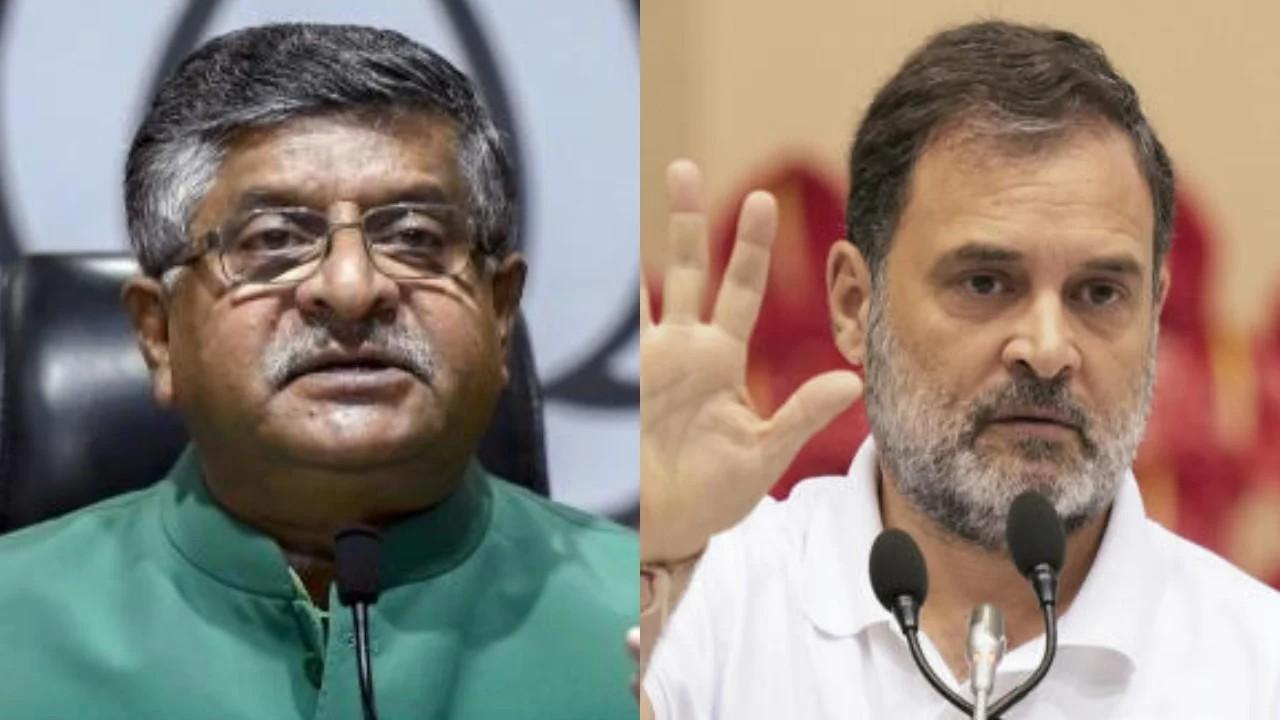
A heated confrontation unfolded in the Lok Sabha as Rahul Gandhi of the Indian National Congress and Ravi Shankar Prasad of the Bharatiya Janata Party engaged in a fiery exchange during a debate over a motion seeking the removal of the Speaker.
The dramatic face-off occurred amid rising tensions between the ruling coalition and the opposition in Parliament. Opposition parties accused the Speaker of alleged bias in handling parliamentary proceedings, while the ruling party strongly defended the Chair and criticized the motion as politically motivated.
The debate quickly escalated into a sharp war of words between senior leaders from both sides, drawing intense attention inside the House and across the political spectrum.
Rahul Gandhi Questions Conduct of the Chair
During the debate, Rahul Gandhi criticized the functioning of the Speaker’s office and argued that the opposition was not being given adequate opportunity to raise issues in the House.
He claimed that parliamentary norms and traditions were being undermined and that the Chair had failed to ensure fairness in conducting debates.
According to Gandhi, the opposition had been repeatedly prevented from discussing several important national issues, which prompted them to move the motion.
He stressed that Parliament should function as a platform where all voices — including those of opposition parties — are heard and respected.
Ravi Shankar Prasad Hits Back
Responding to the allegations, Ravi Shankar Prasad strongly defended the Speaker and accused the opposition of attempting to undermine democratic institutions.
Prasad said the motion was “baseless and politically motivated”, arguing that the Speaker had conducted proceedings according to established parliamentary rules.
He also criticized the opposition for frequently disrupting the House and then blaming the Chair for the resulting disruptions.
The BJP leader accused the opposition of using parliamentary tactics to create unnecessary controversy and political drama.
Heated Exchange in the House
The clash between the two leaders quickly intensified, with both sides trading accusations and counter-accusations.
Several members from both the treasury benches and the opposition joined the debate, leading to loud exchanges and repeated interventions by the Chair to restore order.
The atmosphere in the House became increasingly tense as slogans and protests from members added to the chaos.
At times, the debate resembled a full-scale political confrontation rather than a routine parliamentary discussion.
What Is a Motion to Remove the Speaker?
Under parliamentary rules, a motion to remove the Speaker of the Lok Sabha can be introduced if members believe the Chair has failed to conduct proceedings impartially.
Such a motion requires:
- Advance notice by members of the House
- A formal debate in Parliament
- A vote by members to determine the outcome
The Speaker is expected to remain neutral and ensure that debates are conducted according to parliamentary rules and democratic principles.
Because the position is central to the functioning of Parliament, attempts to remove a Speaker are rare and usually generate intense political controversy.
Political Context Behind the Motion
The opposition’s move comes amid broader tensions between the government and opposition parties over issues such as parliamentary procedures, debate time allocation, and legislative priorities.
Opposition leaders have repeatedly accused the government of limiting discussion on key national matters and pushing legislation through Parliament without adequate debate.
The ruling coalition, however, argues that disruptions by opposition parties are the main reason for delays and shortened debates.
This broader political conflict has increasingly spilled into parliamentary proceedings, resulting in frequent clashes.
Reactions Across the Political Spectrum
The dramatic confrontation between Rahul Gandhi and Ravi Shankar Prasad quickly sparked reactions from political leaders across parties.
Opposition leaders backed Gandhi’s remarks and reiterated their concerns about the functioning of Parliament.
Meanwhile, members of the ruling coalition defended the Speaker and accused the opposition of trying to politicize parliamentary procedures.
Political analysts say the debate reflects the deepening polarization in Indian politics, with Parliament increasingly becoming a stage for high-stakes political battles.
Impact on Parliamentary Proceedings
The heated exchanges disrupted normal parliamentary business and forced repeated adjournments during the session.
Legislative work was slowed as members focused on the political controversy surrounding the motion.
Observers note that such confrontations can affect the productivity of Parliament, especially when debates become dominated by political disputes rather than legislative discussion.
This article may be prepared with the assistance of artificial intelligence (AI) and is reviewed before publication. While we aim for accuracy and timeliness, readers should verify important facts from official or primary sources. If you believe any information is inaccurate or that any content infringes your rights, please contact ainewsbreaking.com for review and appropriate action.