
Florida and Mississippi Enact Proof-of-Citizenship Voting Reforms Amid National Debate
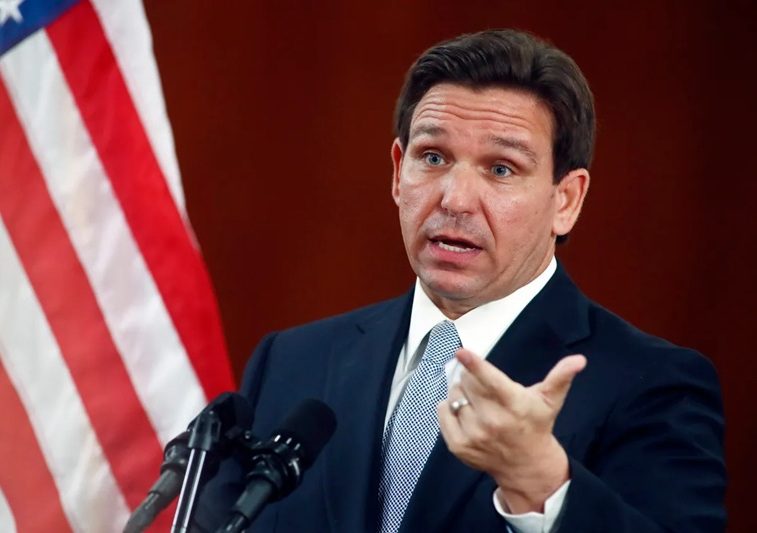
Florida Governor Ron DeSantis and Mississippi Governor Tate Reeves recently made headlines by signing legislative bills mandating proof of citizenship for voter registration. This move comes on the heels of similar efforts in other states, marking a significant development in the ongoing national conversation surrounding voting rights and electoral integrity.
The newly signed laws in Florida and Mississippi are designed to require registered voters to provide documentation verifying their U.S. citizenship. This requirement will apply to both new voter registrations and existing voters who have not yet provided documentation. Once a voter fails to submit required citizenship verification, they will be notified and given a certain timeframe to comply before facing removal from voter rolls.
South Dakota and Utah have already taken similar steps this year, with their governors signing proof-of-citizenship voting bills into law in March. These developments have sparked intense debate, particularly as they come on the backdrop of the “Save Act” languishing in the U.S. Senate. Introduced by former President Donald Trump’s administration, the Save Act aimed to establish national proof-of-citizenship requirements for voter registration. However, its passage appears increasingly unlikely, prompting individual states to take decisive action.
The bipartisan Save Act has been a contentious issue, with its opponents citing potential disenfranchisement of certain voter groups and administrative challenges in implementing the required documentation checks. Meanwhile, its proponents see it as a necessary measure to combat voter fraud and ensure the integrity of the electoral process.
As more states adopt proof-of-citizenship laws, the issue is becoming increasingly relevant in the national discourse on election reform. While some see these measures as crucial to maintaining the trust in democratic institutions, others worry about their potential impact on the accessibility of voting rights.
The exact implementation timeline and potential consequences for failure to comply with the new requirements in Florida and Mississippi remain to be seen. However, the move clearly signals a growing concern among state officials to address potential issues with voter eligibility and safeguard the electoral process.
In the absence of federal legislation like the Save Act, state-level initiatives are likely to remain a major driver of voting reform debates in the coming years, setting the stage for continued national conversation and potential legislative action.
This article may be prepared with the assistance of artificial intelligence (AI) and is reviewed before publication. While we aim for accuracy and timeliness, readers should verify important facts from official or primary sources. If you believe any information is inaccurate or that any content infringes your rights, please contact ainewsbreaking.com for review and appropriate action.