Farooq Abdullah Urges Immediate End to West Asia Conflict, Warns of Global Consequences
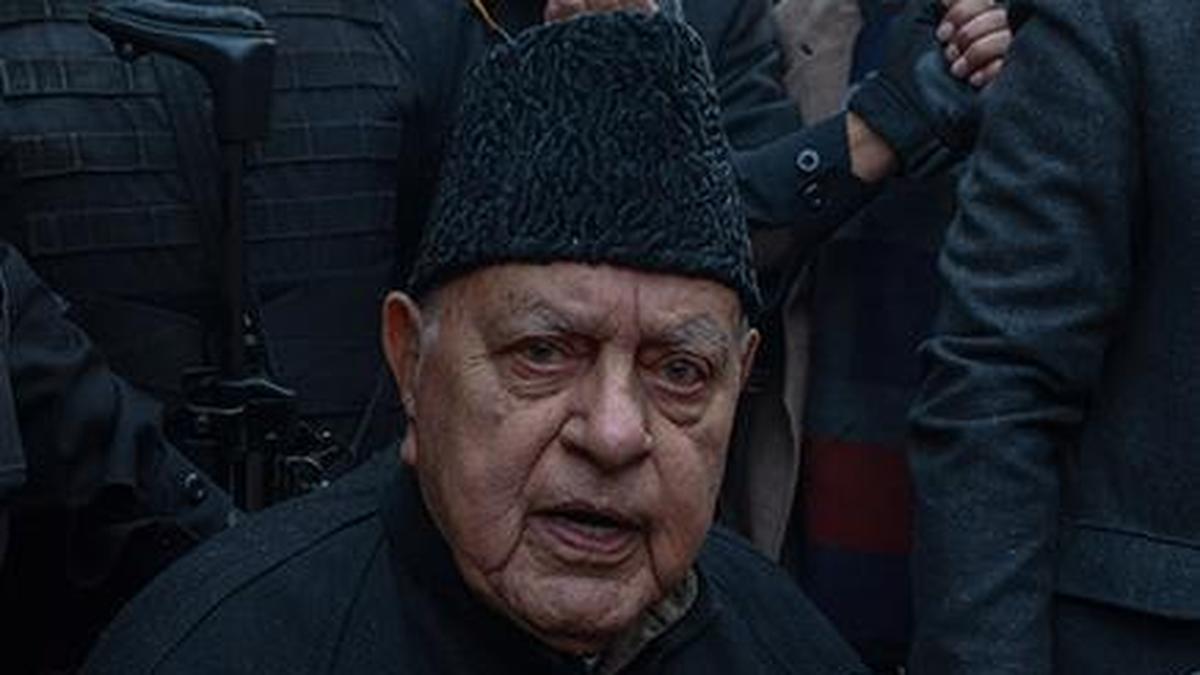
Farooq Abdullah, the veteran political leader and former Chief Minister of Jammu and Kashmir, has voiced strong concerns over the ongoing conflict in West Asia, urging global leaders to take immediate steps toward de-escalation. Emphasizing the far-reaching consequences of continued violence in the region, Abdullah warned that prolonged instability could severely impact global peace, economic stability, and international relations.
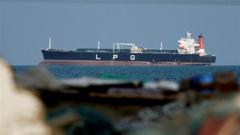
In a recent statement, Abdullah highlighted that conflicts in West Asia are not isolated incidents but have a ripple effect across continents. “Peace in West Asia is crucial not only for the countries directly involved but for the entire world,” he said. According to him, rising tensions in the region have already begun to influence global oil prices, trade routes, and diplomatic alignments, creating uncertainty in international markets.
The senior National Conference leader pointed out that countries like India, which maintain strong economic and strategic ties with West Asian nations, are particularly vulnerable to disruptions caused by conflict. India relies heavily on energy imports from the region, and any instability can lead to fluctuations in fuel prices, thereby affecting inflation and the cost of living for millions of citizens.
Abdullah also stressed the humanitarian aspect of the crisis, expressing concern over the loss of civilian lives and the displacement of thousands of families. He called upon the international community, including the United Nations, to play a proactive role in mediating peace talks and ensuring that diplomatic channels remain open. “War only brings destruction and suffering. Dialogue is the only viable path to a lasting solution,” he stated.
Drawing parallels with past global conflicts, Abdullah warned that ignoring the escalating tensions could lead to a broader geopolitical crisis. He emphasized the importance of collective action among world powers to prevent the situation from spiraling out of control. “We have seen in history how regional conflicts can turn into global crises if not handled with care and urgency,” he added.
The leader also urged India to use its diplomatic influence to advocate for peace in the region. Highlighting India’s long-standing policy of non-alignment and peaceful coexistence, Abdullah said that the country is well-positioned to act as a mediator and promote dialogue among conflicting parties.
Furthermore, Abdullah called for restraint from all sides involved in the conflict. He emphasized that military escalation would only deepen mistrust and prolong suffering. Instead, he encouraged confidence-building measures, ceasefire agreements, and humanitarian aid initiatives to alleviate the immediate crisis.
Experts believe that Abdullah’s remarks reflect growing concern among global leaders and policymakers about the potential escalation of the West Asia conflict. With major powers already involved directly or indirectly, there is increasing fear that the situation could widen into a larger confrontation.
This article may be prepared with the assistance of artificial intelligence (AI) and is reviewed before publication. While we aim for accuracy and timeliness, readers should verify important facts from official or primary sources. If you believe any information is inaccurate or that any content infringes your rights, please contact ainewsbreaking.com for review and appropriate action.