From Classrooms to Shelters: Israeli Students Struggle to Study During Iran War
As the conflict between Israel and Iran intensifies, students across the country are struggling to maintain a sense of normalcy—preparing for exams while living under the constant threat of missile strikes, air raid sirens, and daily uncertainty.
What should have been a routine academic period has instead turned into a test of resilience, as classrooms shift online, schedules remain uncertain, and safety takes precedence over studies.
Exams Interrupted by Sirens and Fear
For students in Israel, studying has become deeply unpredictable. Air raid sirens frequently interrupt revision sessions, forcing students to abandon books and rush to shelters—sometimes multiple times a day.
Many describe a cycle of:
- Studying for hours
- Sudden sirens warning of incoming missiles
- Scrambling to safe rooms or underground shelters
- Returning to studies with lingering anxiety
This constant disruption has made it extremely difficult to concentrate, with surveys showing that a large majority of students are unable to focus effectively on academics.
Education System Disrupted
The war has significantly impacted the education system:
- Schools and universities have shifted largely to online learning
- In-person exams have been postponed or cancelled in many cases
- Academic calendars have been thrown into uncertainty
Authorities have prioritized safety, but students say the lack of clarity around exams and grading has added to their stress.
Life Defined by Sirens and Shelters
Daily life in cities like Tel Aviv is now shaped by routine emergency responses. Sirens warning of missile attacks can sound at any moment, giving residents only seconds to reach safety.
Students often:
- Keep emergency bags ready
- Study near shelters for quick access
- Sleep in short intervals due to nighttime alerts
Many describe chronic fatigue and anxiety, as sleep is repeatedly interrupted by alarms and explosions.
Psychological Toll on Students
Beyond physical disruption, the emotional impact has been severe.
Students report:
- High levels of stress and anxiety
- Difficulty concentrating on studies
- Fear for personal safety and loved ones
In some cases, students serving as reservists are balancing military duties alongside academic responsibilities, further complicating their ability to keep up with coursework.
Adapting to a “New Normal”
Despite the challenges, many students are attempting to adapt.
Some continue attending online lectures from shelters, while others coordinate study groups through messaging apps. Universities are also offering flexibility, including:
- Extended deadlines
- Alternative assessment methods
- Academic support services
Still, the sense of normalcy remains fragile.
War’s Wider Impact on Daily Life
The broader disruption caused by the conflict is affecting every aspect of life:
- Tourism and travel have largely halted
- Thousands have been displaced from damaged homes
- Public spaces are often deserted
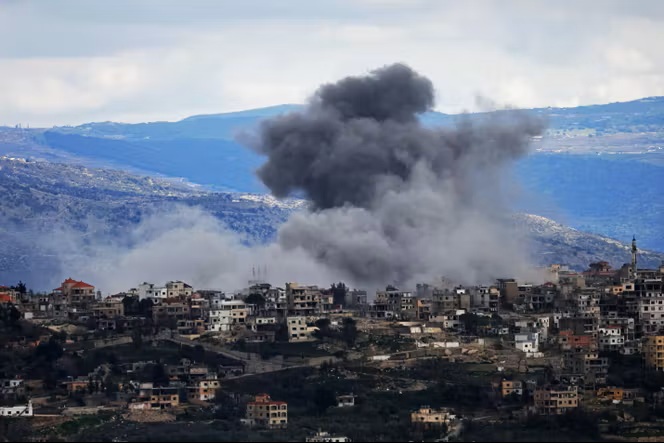
Education is just one of many sectors grappling with the consequences of sustained missile attacks and instability.
Resilience Amid Uncertainty
Even amid constant danger, students in Israel continue to push forward—studying between sirens, attending online classes, and preparing for exams under extraordinary circumstances.
Their experiences highlight not only the disruptive impact of war on education but also the resilience required to pursue learning in the face of ongoing conflict.
This article may be prepared with the assistance of artificial intelligence (AI) and is reviewed before publication. While we aim for accuracy and timeliness, readers should verify important facts from official or primary sources. If you believe any information is inaccurate or that any content infringes your rights, please contact ainewsbreaking.com for review and appropriate action.