Fuel Prices Skyrocket in Philippines, Compelling Millions to Adjust Holy Week Plans
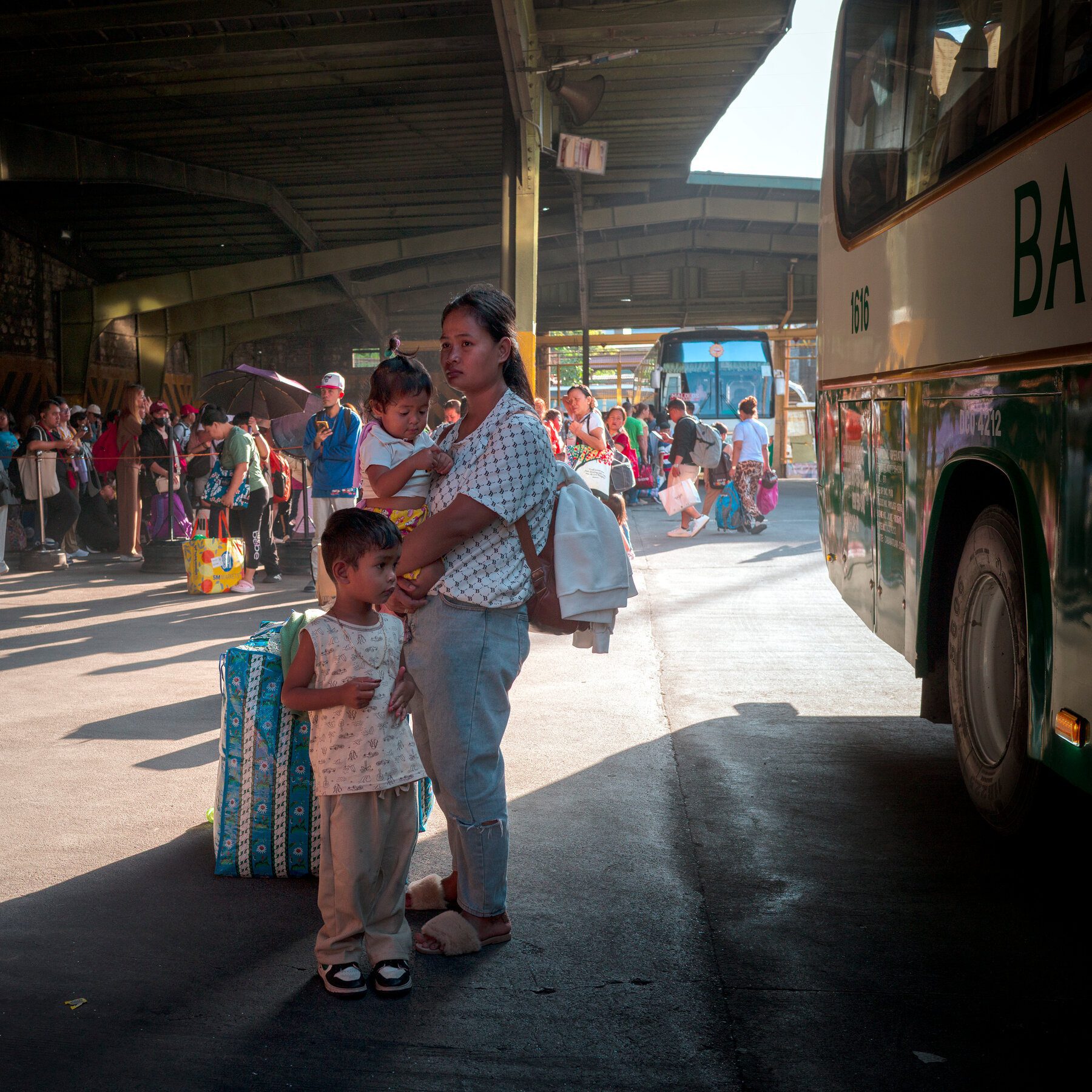
As the Philippines approaches the peak of its Holy Week celebrations, a concerning trend has emerged: surging fuel prices are disrupting the Visita Iglesia, a time-honored tradition where Catholic Filipinos travel to seven churches.
The average gasoline price in the country has reached its highest level in years, causing many to reconsider their travel plans. According to data from the Philippine National Oil Company, the national average price of gasoline stands at 60.45 pesos per liter, a 7.1% increase from last year. This development has led to cancellations and scaling back of the Visita Iglesia tradition, a crucial aspect of Holy Week for many Filipino Catholics.
The tradition of Visita Iglesia is deeply rooted in Catholicism, where devotees visit seven churches to pray and reflect. The pilgrimage typically takes place over several days, allowing participants to immerse themselves in the holy week narrative. However, the rising fuel costs have made this journey increasingly expensive and, for many, unsustainable.
Fuel prices have become a significant concern in the Philippines, particularly for low-income communities. “We understand that the current fuel prices are taking a toll on many families,” said a representative from the Department of Finance. “We encourage travelers to consider alternative modes of transportation and adjust their travel plans accordingly.”
The Holy Week is a significant period for Filipinos, with millions participating in the Visita Iglesia. The tradition holds immense cultural and spiritual significance, and its disruption due to fuel prices has affected many. As the country’s economy continues to grapple with the aftermath of the pandemic, soaring fuel costs are only adding to the challenges faced by many Filipino households.
While authorities strive to address the fuel crisis, many Filipinos are forced to adapt their Holy Week celebrations. Alternative modes of transportation, such as bike-sharing services and carpooling, are becoming more appealing, particularly in urban areas. However, for those living in rural communities or with limited access to public transport, the situation remains dire.
In response to the fuel crisis, several organizations have launched initiatives to support travelers. The Philippine Catholic Church has also encouraged churches to offer alternative prayer services and online reflections to minimize the impact of rising fuel costs.
As the Holy Week progresses, Filipinos are finding creative ways to adjust their tradition while still honoring its spiritual significance. With the economy facing numerous challenges, the resilience of Filipino communities in the face of adversity will undoubtedly be put to
This article may be prepared with the assistance of artificial intelligence (AI) and is reviewed before publication. While we aim for accuracy and timeliness, readers should verify important facts from official or primary sources. If you believe any information is inaccurate or that any content infringes your rights, please contact ainewsbreaking.com for review and appropriate action.