
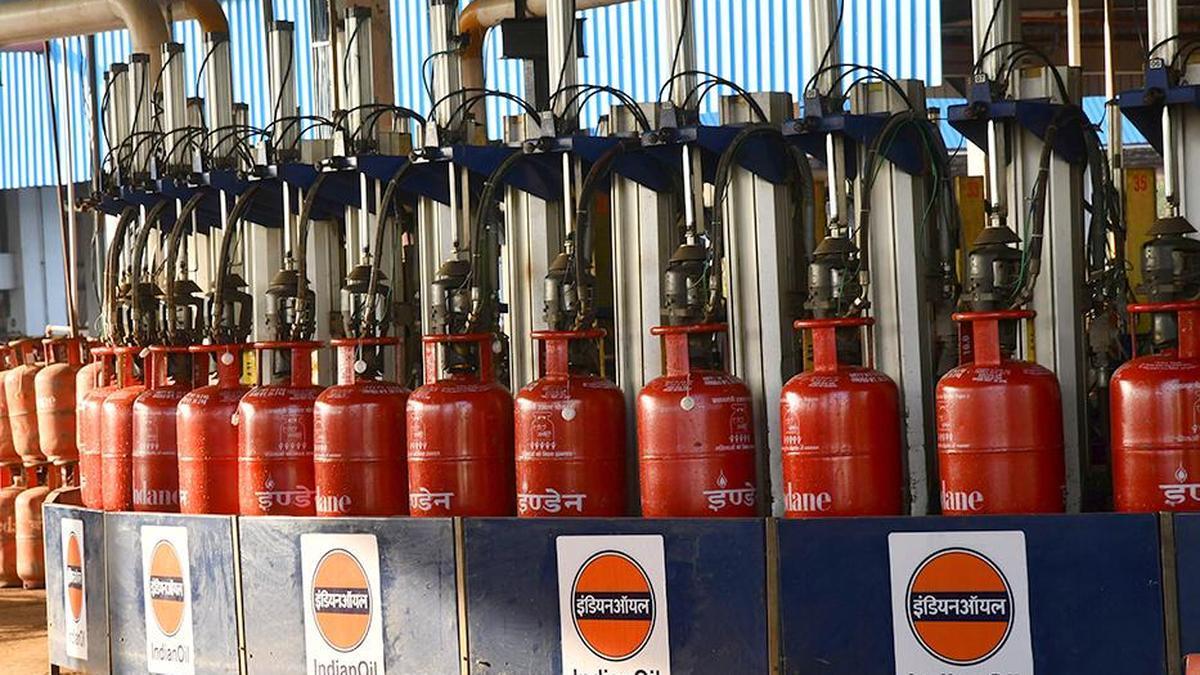
Geopolitical Unrest in the Middle East Fuels LPG Price Volatility in India
The escalating tensions in the Middle East have sparked a ripple effect, impacting India’s domestic market, particularly in the realm of liquefied petroleum gas (LPG) supply. As the primary cooking fuel for over 330 million households and a crucial component in the operations of restaurant kitchens, LPG has become increasingly scarce, precipitating concerns among consumers and industry stakeholders alike.
The instability in West Asia, a region that accounts for a significant portion of the world’s oil production, has led to a surge in global energy prices. India, which relies heavily on imports to meet its energy demands, is particularly vulnerable to fluctuations in the international market. The country’s LPG requirements are primarily fulfilled through imports from countries such as Saudi Arabia, Qatar, and the United Arab Emirates, which are currently embroiled in the regional turmoil.
The consequences of this geopolitical unrest are being felt across India, with LPG distributors and consumers grappling with the challenges of inconsistent supply and rising prices. The scarcity of LPG has resulted in lengthy waiting periods for cylinder refills, causing inconvenience to households and disrupting the operations of restaurants and other food establishments that rely heavily on this fuel.
Furthermore, the increase in LPG prices has significant implications for India’s economy, as it can lead to higher production costs for industries that rely on this fuel, ultimately affecting consumer prices and overall inflation. The Indian government, which has implemented various initiatives to promote the use of LPG as a cleaner and more efficient alternative to traditional fuels, is facing mounting pressure to address the current shortage and mitigate its impact on the economy.
In response to the crisis, the government has announced plans to diversify India’s energy imports, exploring alternative sources and negotiating with other supplier countries to reduce dependence on the volatile Middle East region. Additionally, efforts are being made to boost domestic production of LPG, with a focus on enhancing the country’s refining capacity and promoting the development of new energy sources.
However, these measures are likely to take time to yield results, and in the short term, Indian consumers are bracing themselves for the possibility of further price increases and supply disruptions. As the situation in the Middle East continues to unfold, India’s LPG market remains vulnerable to the vicissitudes of global geopolitics, underscoring the need for a comprehensive and sustainable energy strategy that can insulate the country from the impact of external factors.
In conclusion, the ongoing conflict in the Middle East has sent shockwaves through India’s LPG market, highlighting the complexities and interdependencies of the global energy landscape. As the country navigates this challenging scenario, it is essential for policymakers, industry stakeholders, and consumers to work together to develop a robust and resilient energy framework that can mitigate the effects of external disruptions and ensure a stable and sustainable supply of this essential fuel.
This article may be prepared with the assistance of artificial intelligence (AI) and is reviewed before publication. While we aim for accuracy and timeliness, readers should verify important facts from official or primary sources. If you believe any information is inaccurate or that any content infringes your rights, please contact ainewsbreaking.com for review and appropriate action.