Global Conflict and Rising Energy Prices: How Geopolitical Tensions Are Reshaping the World Economy
The global economy is once again confronting a familiar but dangerous combination: war, geopolitical rivalry, and rapidly rising energy prices. From escalating conflicts in the Middle East to intensifying competition among major powers, the world is experiencing a new era of uncertainty that is reshaping energy markets, financial systems, and political alliances.
Energy has long been at the center of geopolitical tensions, but recent developments have pushed the issue to the forefront of global economic stability. The latest conflict involving Iran, the United States, and regional allies has disrupted key energy routes and sent oil prices surging, triggering ripple effects across markets and economies worldwide. As governments and businesses scramble to adapt, analysts warn that prolonged instability could redefine energy security and reshape the global economic landscape for years to come.
Rising Energy Prices: The Immediate Impact of Global Conflict
Energy markets are extremely sensitive to geopolitical tensions, particularly when conflicts involve regions that play a critical role in global oil and gas supply. The Middle East, which holds some of the world’s largest energy reserves, is once again at the center of a major crisis.
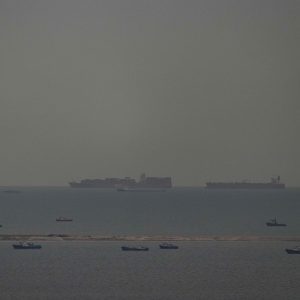
Recent hostilities involving Iran and its adversaries have raised fears about disruptions to the global energy supply chain. The Strait of Hormuz—a narrow maritime chokepoint between Iran and the Gulf states—handles roughly 20–30% of the world’s oil supply, making it one of the most strategically important waterways in global energy trade.
Any disruption to this corridor has immediate consequences for global markets. In the current crisis, attacks on energy infrastructure and shipping routes have caused oil production shutdowns and halted exports from key producers. As a result, global crude prices have surged above $100 per barrel, sparking fears of a new global energy shock.
The rapid increase in oil prices highlights how geopolitical risks can trigger sudden market volatility. Energy traders, investors, and governments closely monitor these developments because even minor disruptions in supply can create significant price spikes.
Why Energy Markets React So Quickly to Conflict
Energy markets are uniquely vulnerable to geopolitical shocks because supply chains are complex and concentrated in certain regions. Oil, natural gas, and liquefied natural gas (LNG) often rely on specific pipelines, ports, and maritime routes that can easily be disrupted by conflict.
When war or tensions threaten these routes, traders anticipate potential shortages. This anticipation alone can drive prices higher—even before actual disruptions occur.
Several factors contribute to this rapid response:
- Concentration of supply – A large portion of the world’s oil production comes from politically sensitive regions.
- Shipping chokepoints – Narrow passages like the Strait of Hormuz and the Suez Canal control massive flows of energy.
- Limited spare capacity – Global production cannot always quickly increase to compensate for supply losses.
- Financial speculation – Energy futures markets respond instantly to geopolitical news.
According to analysts, geopolitical uncertainty has already caused global oil markets to tighten and pushed forecasts for crude prices higher in 2026.
The Global Economic Consequences of Rising Energy Costs
Energy prices influence nearly every aspect of the global economy. When oil and gas become more expensive, the cost of transportation, manufacturing, and electricity production also increases.
This chain reaction can trigger widespread economic consequences.
Inflation and Rising Consumer Costs
One of the most immediate effects of higher energy prices is inflation. Fuel costs influence the price of food, goods, and services because energy is required at every stage of production and distribution.
If oil prices remain elevated for an extended period, governments may struggle to control inflation. Economists warn that sustained energy price increases could push inflation rates higher across both developed and emerging economies.
Slower Economic Growth
Higher energy prices can also slow economic growth. Businesses face higher operating costs, while consumers reduce spending due to rising living expenses.
In countries heavily dependent on energy imports, the economic impact can be particularly severe. For example, economists warn that rising oil prices could reduce India’s economic growth by up to 15–40 basis points while simultaneously increasing inflation pressures.
Market Volatility
Financial markets tend to react sharply to geopolitical crises. Investors often shift their money away from riskier assets such as equities and toward safe-haven investments like gold or government bonds.
Recent geopolitical tensions have already triggered stock market volatility, with global markets reacting to the uncertainty surrounding the energy supply outlook.
Strategic Oil Reserves: A Temporary Solution
To stabilize energy markets, governments sometimes release oil from strategic reserves. These emergency stockpiles are designed to cushion supply disruptions during crises.
Recently, the International Energy Agency (IEA) announced a coordinated release of more than 400 million barrels of oil from emergency reserves in response to rising prices caused by the ongoing conflict.
This move aims to stabilize markets and reassure investors that additional supply will be available if shortages occur. However, experts caution that stockpile releases are only temporary solutions.
If geopolitical tensions continue or worsen, strategic reserves alone cannot fully offset prolonged supply disruptions.
Geopolitical Rivalries and the Energy Power Struggle
Energy resources have always played a critical role in global politics. Control over oil, natural gas, and critical minerals influences economic power and international alliances.
The current geopolitical landscape reflects a growing struggle among major powers to secure reliable energy supplies.
United States and Energy Security
The United States has historically been deeply involved in Middle Eastern geopolitics, partly because of the region’s importance to global energy markets. Although the U.S. has significantly increased its domestic energy production in recent years, it remains invested in maintaining stable global energy flows.
Military and diplomatic efforts to protect shipping lanes and energy infrastructure remain key priorities.
China’s Energy Strategy
China, the world’s largest energy importer, is particularly vulnerable to disruptions in global oil supply. Much of China’s imported oil travels through the Strait of Hormuz and other strategic maritime routes.
As a result, Beijing has been expanding its energy partnerships and investing in alternative supply routes to reduce its dependence on unstable regions.
Russia and the Changing Energy Landscape
Russia continues to play a major role in global energy markets, particularly through its natural gas exports. Geopolitical tensions and sanctions have reshaped energy trade flows, pushing many countries to diversify their energy sources.
This shifting landscape has accelerated competition for new energy partnerships and strategic resources.
Europe’s Energy Dilemma
Europe has been particularly sensitive to energy disruptions in recent years. The continent’s transition away from Russian gas following the Ukraine conflict forced many countries to diversify their energy imports.
However, the latest Middle East crisis threatens to complicate these efforts. If LNG shipments or oil supplies from the Gulf are disrupted, European energy markets could experience another price shock.
In fact, disruptions to Gulf energy exports have already driven European gas prices sharply higher.
This situation highlights how interconnected global energy markets have become. A conflict thousands of kilometers away can quickly impact energy costs across the world.
Emerging Economies Under Pressure
Developing countries are particularly vulnerable to energy price spikes. Many emerging economies rely heavily on imported fuel while having limited financial resources to absorb price increases.
Higher energy costs can weaken national currencies, increase government debt, and raise the cost of essential goods.
In some cases, prolonged energy crises can even trigger political instability as citizens protest rising living costs.
The Role of Energy Infrastructure in Modern Warfare
Another reason energy prices are rising is that energy infrastructure itself has become a strategic target in modern conflicts.
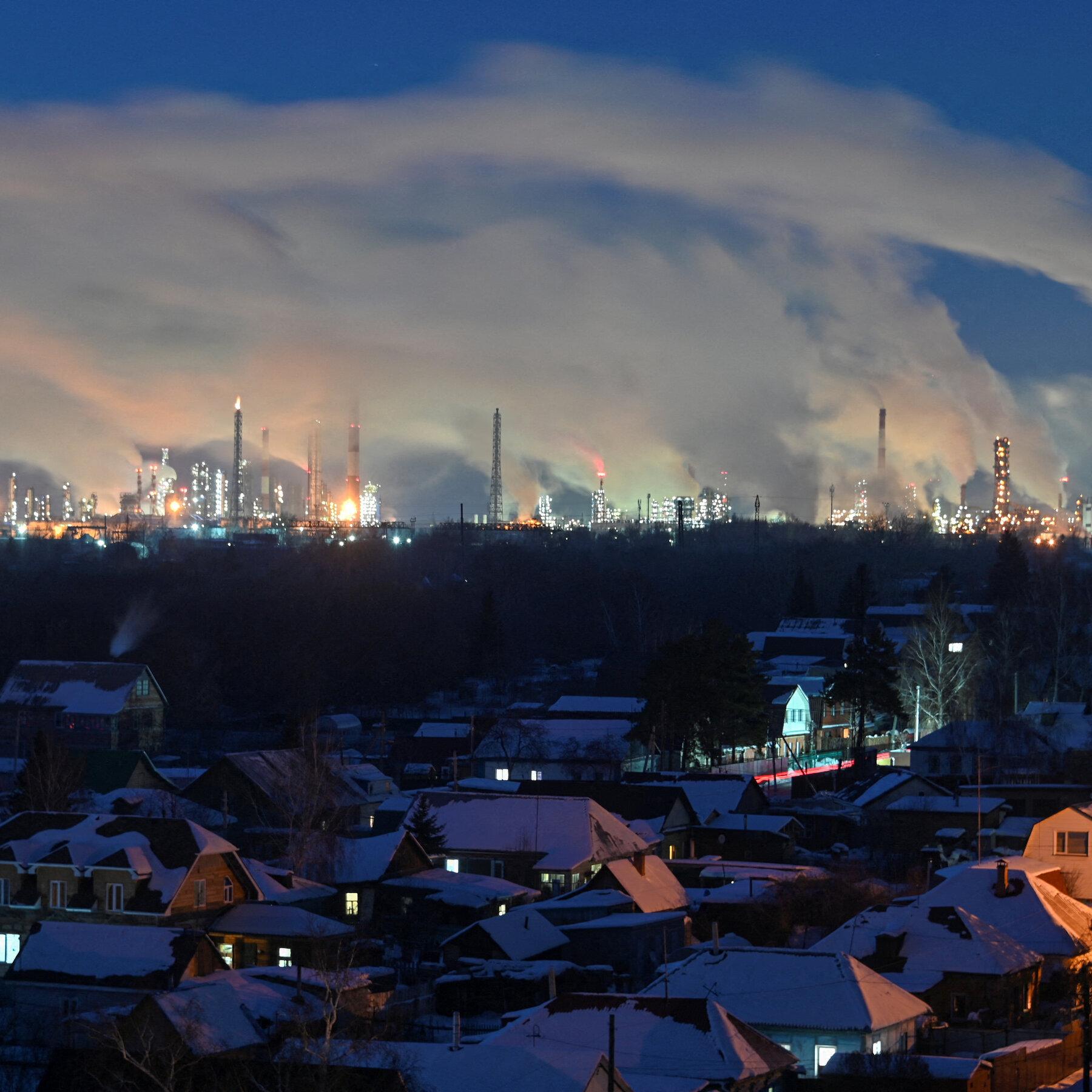
Oil refineries, pipelines, and export terminals are often targeted because disrupting them can weaken an opponent’s economy and military capabilities.
Recent attacks on energy facilities in the Gulf region demonstrate how vulnerable these systems can be during geopolitical crises.
Such attacks can instantly reduce production capacity and send shockwaves through global energy markets.
The Long-Term Impact on Energy Policy
While current conflicts are driving short-term energy price spikes, they are also accelerating long-term changes in global energy policy.
Governments are increasingly focused on reducing their dependence on unstable regions and diversifying their energy supplies.
Several key trends are emerging:
- Expansion of renewable energy
- Investment in domestic energy production
- Development of strategic energy partnerships
- Improved energy storage technologies
These changes reflect a growing recognition that energy security is inseparable from national security.
Renewable Energy and the Geopolitical Shift
The transition toward renewable energy sources such as solar, wind, and hydrogen could eventually reduce the geopolitical power of oil-producing regions.
Countries investing heavily in clean energy may become less vulnerable to disruptions in global oil markets.
However, the transition will take decades. In the meantime, fossil fuels will remain a critical component of the global energy system.
This means geopolitical conflicts will likely continue to influence energy prices for the foreseeable future.
The Future of Global Energy Markets
Looking ahead, several factors will determine how global energy markets evolve in response to geopolitical tensions.
Duration of Current Conflicts
If ongoing conflicts escalate or spread, energy prices could remain high for an extended period.
Global Energy Demand
Rising demand from developing economies, particularly in Asia, will continue to influence energy prices.
Technological Innovation
Advancements in energy storage, electric vehicles, and renewable energy could gradually reduce dependence on fossil fuels.
Political Cooperation
International cooperation among major powers could help stabilize energy markets and reduce the risk of supply disruptions.
This article may be prepared with the assistance of artificial intelligence (AI) and is reviewed before publication. While we aim for accuracy and timeliness, readers should verify important facts from official or primary sources. If you believe any information is inaccurate or that any content infringes your rights, please contact ainewsbreaking.com for review and appropriate action.