Global Energy Crisis Looms as IEA Chief Warns of Devastating Oil Shock
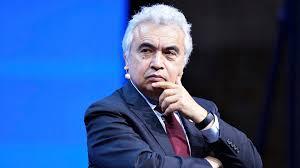
The world is on the brink of a severe energy crisis, with the International Energy Agency’s chief warning that a potential war with Iran could trigger an oil shock worse than the combined effects of the 1970s oil crises and the ongoing Ukraine war. According to Fatih Birol, the executive director of the IEA, the global economy is facing a major threat from the escalating tensions in the Middle East. Birol’s comments come as Iran’s military has threatened to close the Strait of Hormuz, a vital oil shipping lane, if the US were to bomb its power plants.
The IEA is currently discussing the possibility of releasing more oil from its stockpiles to mitigate the potential crisis. Birol has emphasized the need for urgent action to address the looming energy crisis, which could have far-reaching consequences for the global economy. The situation is being closely monitored by governments and energy markets around the world, as the threat of a major oil disruption hangs over the global economy.
The Strait of Hormuz is a critical waterway, with approximately 20% of the world’s oil passing through it every day. If Iran were to carry out its threat to close the strait, it could have a devastating impact on global oil supplies, leading to soaring prices and widespread economic disruption. The US and other countries have warned Iran against taking such action, but the situation remains highly volatile.
The IEA’s warning of a potential oil shock worse than the 1970s crises is particularly significant, given the severe economic disruption caused by those events. The 1970s oil crises led to high inflation, recession, and widespread economic hardship, and the world is still feeling the effects of the ongoing Ukraine war. The combination of these factors has created a perfect storm of uncertainty and risk for the global economy.
As the situation continues to unfold, the IEA is working to develop contingency plans to address the potential crisis. The agency is in close contact with governments and energy companies around the world, and is working to ensure that the global economy is prepared for any eventuality. With the threat of a major oil disruption hanging over the world, the need for urgent action and careful planning has never been more pressing.
The global community is watching the situation in the Middle East with bated breath, as the threat of a devastating oil shock hangs over the world. The IEA’s warning has served as a stark reminder of the risks and uncertainties facing the global economy, and the need for careful planning and cooperation to address them. As the situation continues to evolve, one thing is clear: the world is on the brink of a major energy crisis, and the consequences could be severe.
The ongoing tensions in the Middle East have sparked a wave of concern among investors and consumers alike, with many bracing themselves for the potential impact of an oil shock. The situation is complex and multifaceted, with a wide range of factors at play. However, one thing is certain: the world is facing a major energy crisis, and the need for urgent action has never been more pressing.
In response to the growing concerns, the IEA chief has called for calm and cooperation, emphasizing the need for a coordinated response to the crisis. The agency is working tirelessly to develop a plan to address the potential oil shock, and to mitigate its effects on the global economy. As the situation continues to unfold, the world waits with bated breath to see what the future holds.
This article may be prepared with the assistance of artificial intelligence (AI) and is reviewed before publication. While we aim for accuracy and timeliness, readers should verify important facts from official or primary sources. If you believe any information is inaccurate or that any content infringes your rights, please contact ainewsbreaking.com for review and appropriate action.