Global Markets Teeter on Brink as Iran Tensions and Oil Prices Continue to Escalate: A Critical Juncture for the S&P 500
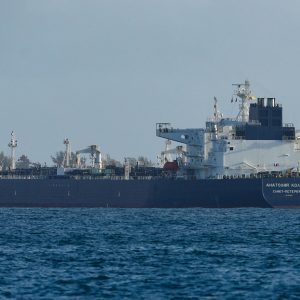
The ongoing conflict in Iran and the resultant volatility in oil prices have created a sense of unease among investors, with the S&P 500 index hovering at a critical juncture. As the situation in the Middle East continues to unfold, market analysts are closely monitoring the developments, trying to gauge the potential impact on the global economy. The Strait of Hormuz, a vital waterway that connects the Persian Gulf to the Gulf of Oman, has emerged as a focal point in this crisis, with any disruption to oil supplies likely to have far-reaching consequences.
The recent escalation of tensions between Iran and the United States has led to a significant increase in oil prices, with crude oil futures surging to their highest levels in months. This surge has had a ripple effect on the global markets, with investors becoming increasingly risk-averse and seeking safe-haven assets such as gold and government bonds. The S&P 500, which has been on a remarkable run in recent years, has been particularly vulnerable to the volatility in oil prices, with the index experiencing significant fluctuations in recent weeks.
As the situation in the Middle East continues to deteriorate, investors are keenly watching the developments, trying to anticipate the next move in the S&P 500. The index has been struggling to break through the 3,300 level, with the oil price volatility serving as a major impediment to its progress. With the US economy showing signs of slowing down, the impact of higher oil prices on consumer spending and business investment could be significant, potentially leading to a downturn in the economy.
In this context, the Strait of Hormuz has emerged as a critical factor in determining the next direction for the S&P 500. Any disruption to oil supplies through this waterway could lead to a sharp increase in oil prices, potentially triggering a recession in the US economy. The US has been working to build a coalition of allies to protect the shipping lanes in the Strait, but the situation remains precarious, with Iran reportedly threatening to close the waterway in retaliation for any further US aggression.
As the world watches the developments in the Middle East with bated breath, investors are advised to remain cautious, with the potential for further volatility in oil prices and the S&P 500. The US Federal Reserve, which has been closely monitoring the situation, may need to intervene with monetary policy measures to stabilize the markets and prevent a downturn in the economy. However, with the US presidential elections just around the corner, the Fed’s room for maneuver may be limited, potentially exacerbating the situation.
In conclusion, the ongoing conflict in Iran and the resultant volatility in oil prices have created a challenging environment for investors, with the S&P 500 index facing significant headwinds. As the situation in the Middle East continues to unfold, market analysts will be closely watching the developments, trying to anticipate the next move in the index. With the Strait of Hormuz emerging as a critical factor in determining the next direction for the S&P 500, investors are advised to remain vigilant, with the potential for further volatility in oil prices and the markets.
This article may be prepared with the assistance of artificial intelligence (AI) and is reviewed before publication. While we aim for accuracy and timeliness, readers should verify important facts from official or primary sources. If you believe any information is inaccurate or that any content infringes your rights, please contact ainewsbreaking.com for review and appropriate action.