Global Oil Stocks to Receive Massive Boost as 32 Nations Unite to Release 400 Million Barrels
In a concerted effort to stabilize the global oil market, 32 countries have announced plans to release a staggering 400 million barrels of oil from their strategic reserves. This move is aimed at mitigating the effects of the ongoing conflict in the Middle East, which has significantly disrupted oil supply lines. The decision comes at a critical juncture, as the Strait of Hormuz, a vital waterway that accounts for nearly 20% of the world’s total oil exports, remains partially blocked due to heightened tensions in the region.
According to reports from a British agency, several ships have been attacked by unknown assailants in or near the Strait of Hormuz, further exacerbating the already precarious situation. The attacks have sparked widespread concern, with many experts warning of a potential oil shortage and subsequent price hikes. In response, the international community has come together to release a substantial amount of oil from their reserves, in a bid to ease the pressure on the global market.
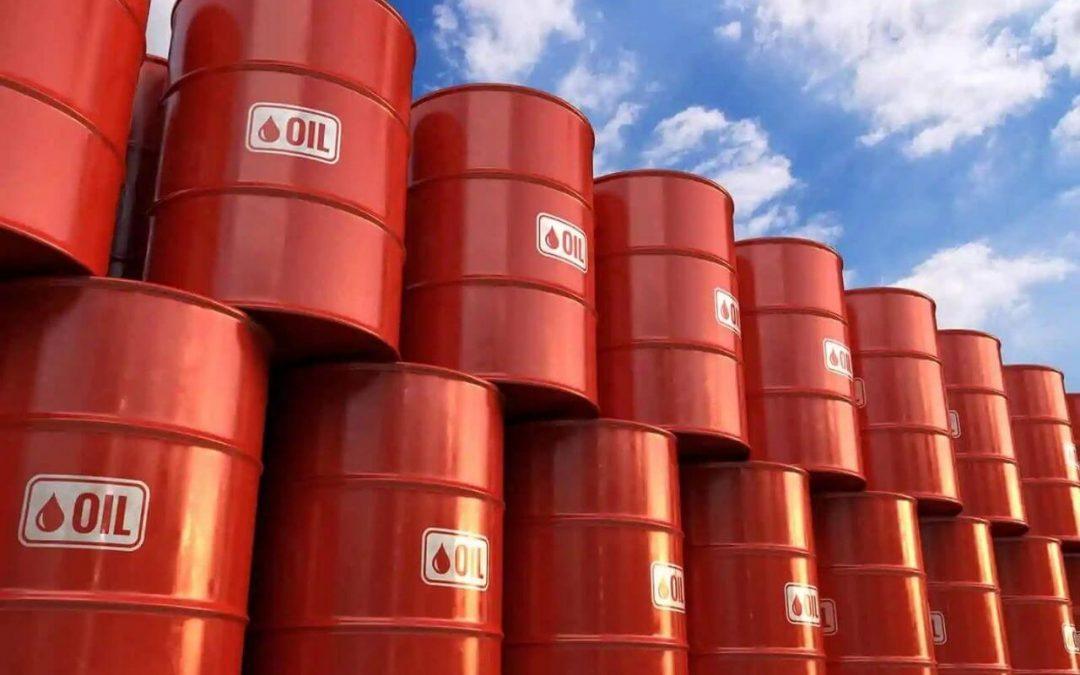
The coordinated effort involves 32 countries, which will release a total of 400 million barrels of oil over the coming weeks. This move is expected to increase the global oil supply, thereby helping to stabilize prices and prevent a potential shortage. The decision is a testament to the international community’s commitment to ensuring the stability of the global oil market, and its determination to mitigate the effects of the ongoing conflict in the Middle East.
The release of oil from strategic reserves is a rare occurrence, and the scale of this move underscores the severity of the situation. The last time such a large-scale release occurred was during the Libyan civil war in 2011, when the International Energy Agency (IEA) coordinated the release of 60 million barrels of oil. The current move, however, dwarfs that effort, with 400 million barrels set to be released.
The impact of the conflict in the Middle East on the global oil market cannot be overstated. The Strait of Hormuz is a critical waterway, with nearly 20% of the world’s total oil exports passing through it. Any disruption to the flow of oil through this strait has far-reaching consequences, affecting not only the oil market but also the global economy. The partial blockage of the strait has already led to a significant increase in oil prices, with many experts warning of further price hikes if the situation is not resolved soon.
In this context, the decision by 32 countries to release 400 million barrels of oil from their strategic reserves is a welcome move. It is expected to help stabilize the global oil market, prevent a potential shortage, and mitigate the effects of the ongoing conflict in the Middle East. As the situation continues to unfold, it remains to be seen how effective this move will be in addressing the crisis. However, one thing is certain – the international community’s commitment to ensuring the stability of the global oil market is unwavering, and it will stop at nothing to prevent a potential oil shortage and its far-reaching consequences.
This article may be prepared with the assistance of artificial intelligence (AI) and is reviewed before publication. While we aim for accuracy and timeliness, readers should verify important facts from official or primary sources. If you believe any information is inaccurate or that any content infringes your rights, please contact ainewsbreaking.com for review and appropriate action.