Global Shipping Industry in Crisis: Middle East War Shuts Key Trade Routes, Strands Hundreds of Ships and Sends Oil Prices Soaring
The global shipping industry—responsible for moving nearly 90% of world trade—has been thrown into chaos as escalating conflict in the Middle East disrupts critical maritime routes and threatens the stability of global supply chains. What began as a regional conflict involving Iran, the United States, and Israel has quickly evolved into a crisis affecting shipping lanes, energy markets, and international commerce.
At the center of the turmoil is the Strait of Hormuz, a narrow maritime corridor connecting the Persian Gulf with the Indian Ocean. The strait is one of the world’s most strategic shipping chokepoints, carrying roughly one-fifth of the global oil and liquefied natural gas supply every day. With military strikes, drone attacks, and naval threats increasing in the region, many vessels have halted operations or diverted to longer routes, sending shockwaves across the global maritime industry.
The crisis has left hundreds of ships stranded, increased insurance premiums dramatically, forced cargo rerouting around Africa, and driven freight costs higher worldwide. From energy markets to manufacturing supply chains, the ripple effects of the conflict are now being felt across continents.
War Reaches the World’s Most Critical Shipping Corridor
The escalation began after joint strikes by the United States and Israel on Iranian targets in late February 2026. In retaliation, Iran warned that ships passing through the Strait of Hormuz could face attacks. The threats quickly translated into reality as missile and drone strikes targeted merchant vessels and naval assets in the region.
As the security situation deteriorated, shipping companies and tanker operators began suspending voyages through the strait. Within days, tanker traffic dropped dramatically and dozens of ships anchored outside the corridor waiting for safer conditions.
For global trade, the implications are enormous. The Strait of Hormuz is not only the main route for oil exports from countries like Saudi Arabia, Iraq, Kuwait, and the United Arab Emirates—it is also essential for transporting liquefied natural gas and petrochemicals to markets in Asia and Europe.
With the route effectively blocked, oil producers have been forced to store excess production because tankers cannot load shipments. Storage tanks in some Gulf states are already nearing capacity, highlighting the scale of disruption.
Hundreds of Ships Stranded, Trade Routes Frozen
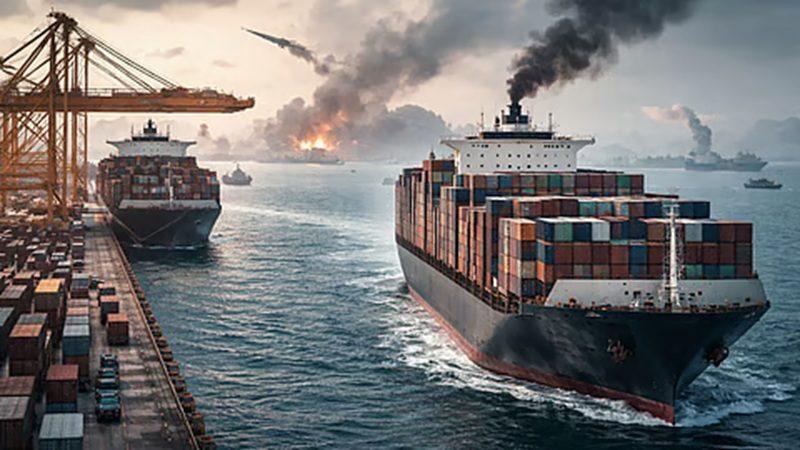
The crisis has left a large number of vessels stranded across the Persian Gulf and nearby waters. Shipping companies face a difficult choice: wait indefinitely for safe passage or reroute vessels on longer journeys that could add weeks to delivery times.
Industry analysts say that thousands of commercial ships—including oil tankers, container ships, and bulk carriers—are struggling to reach the correct ports due to the conflict and security risks.
For global supply chains, such delays can cause cascading disruptions. Manufacturing plants depend on timely deliveries of raw materials and components, while retailers rely on predictable shipping schedules to maintain inventory levels. When shipping schedules collapse, the consequences ripple through entire economies.
Insurance Costs and Freight Rates Surge
One of the immediate impacts of the war has been a dramatic rise in maritime insurance costs. Ships passing through conflict zones must pay war risk premiums, which can increase insurance expenses by multiples compared with normal conditions.
Shipping firms say the additional costs are being passed on to customers through higher freight rates. As a result, the price of transporting goods across oceans is rising rapidly—fueling inflation in industries ranging from electronics and automobiles to food products.
Air cargo has also been affected. With sea routes blocked and Middle Eastern airspace restricted, logistics companies have shifted some shipments to air freight. Rates on certain routes have surged by as much as 70%, reflecting limited capacity and soaring fuel costs.
This shift is particularly significant for time-sensitive cargo such as pharmaceuticals, electronics, and medical supplies.
Global Supply Chains Under Stress
The disruption is not limited to oil shipments. Experts say the conflict is affecting the transportation of a wide range of commodities, including:
- Fertilizers used in agriculture
- Industrial chemicals
- Steel and construction materials
- Electronics and semiconductors
- Consumer goods and machinery
Shipping delays in the Gulf region are already affecting trade between Asia and Europe. Countries like India—which export pharmaceuticals and manufactured goods via maritime routes—are facing higher transportation costs and potential supply shortages.
At the same time, fertilizer shipments from the Middle East have been disrupted, forcing governments to release strategic reserves to stabilize supplies.
Longer Routes Around Africa
To avoid the dangerous Gulf region, many shipping companies are choosing to reroute vessels around Africa via the Cape of Good Hope. While this route provides a safer alternative, it adds thousands of nautical miles to voyages between Asia and Europe.
For example:
- A container ship traveling from India to Europe may take 10–14 additional days using the African route.
- Fuel costs rise significantly due to the longer distance.
- Shipping capacity decreases because vessels spend more time at sea.
These changes are driving freight prices higher and causing further congestion at global ports.
Energy Markets Shocked by Shipping Disruptions
The biggest economic impact of the crisis is being felt in global energy markets. Because the Strait of Hormuz handles about 20% of the world’s oil supply, any disruption instantly affects fuel prices worldwide.
As the conflict intensified, crude oil prices surged above $100 per barrel, reaching levels not seen in years. Energy analysts warn that if the strait remains closed for an extended period, prices could climb much higher.
Higher oil prices affect every sector of the global economy:
- Transportation costs rise
- Manufacturing expenses increase
- Food production becomes more expensive
- Inflation accelerates
Countries heavily dependent on imported energy—especially in Asia and Europe—are particularly vulnerable.
Strategic Chokepoints in Global Trade
The crisis has highlighted how dependent the world economy is on a handful of narrow maritime chokepoints. The Strait of Hormuz is among the most important of these routes, but it is not the only one.
Other key chokepoints include:
- The Suez Canal linking Europe and Asia
- The Strait of Malacca connecting the Indian and Pacific Oceans
- The Panama Canal linking the Atlantic and Pacific
Disruptions in any of these routes can have global consequences. In fact, the current crisis may increase traffic through alternative routes such as the Panama Canal, which can shorten travel times and reduce fuel costs for some shipments.
Maritime Security Risks Rising
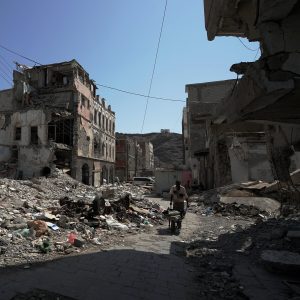
Beyond economic disruption, the conflict has created serious security risks for ships and crews. Since the war began, multiple vessels have reportedly been attacked or damaged in the region.
Maritime experts warn that crowded alternative routes could also lead to increased piracy, particularly in areas near the Horn of Africa where piracy has historically been a major threat.
International naval forces may need to increase patrols or escort commercial ships through dangerous waters to ensure safe passage.
Shipping Industry Faces a New Era of Risk
The current crisis underscores a growing trend: geopolitical conflicts increasingly intersect with global trade networks. Shipping companies must now factor military tensions, cyber threats, and regional instability into their operational strategies.
Industry leaders say the shipping sector is entering a new era of risk management, where companies must prepare for sudden disruptions to critical maritime routes.
Possible strategies include:
- Diversifying shipping routes
- Investing in security and monitoring technologies
- Increasing cooperation with naval forces
- Developing contingency plans for supply chain disruptions
Impact on Consumers Around the World
While the crisis may appear distant from everyday life, its effects are likely to reach consumers globally. Higher shipping costs and delayed deliveries ultimately translate into higher prices in stores.
Products likely to become more expensive include:
- Fuel and electricity
- Food and agricultural goods
- Consumer electronics
- Automobiles and machinery
For businesses already struggling with inflation and supply chain challenges in recent years, the new shipping crisis represents another major economic shock.
This article may be prepared with the assistance of artificial intelligence (AI) and is reviewed before publication. While we aim for accuracy and timeliness, readers should verify important facts from official or primary sources. If you believe any information is inaccurate or that any content infringes your rights, please contact ainewsbreaking.com for review and appropriate action.