Government Reveals 43% Tree Transplantation Fatality Rate for Central Vista Redevelopment Project
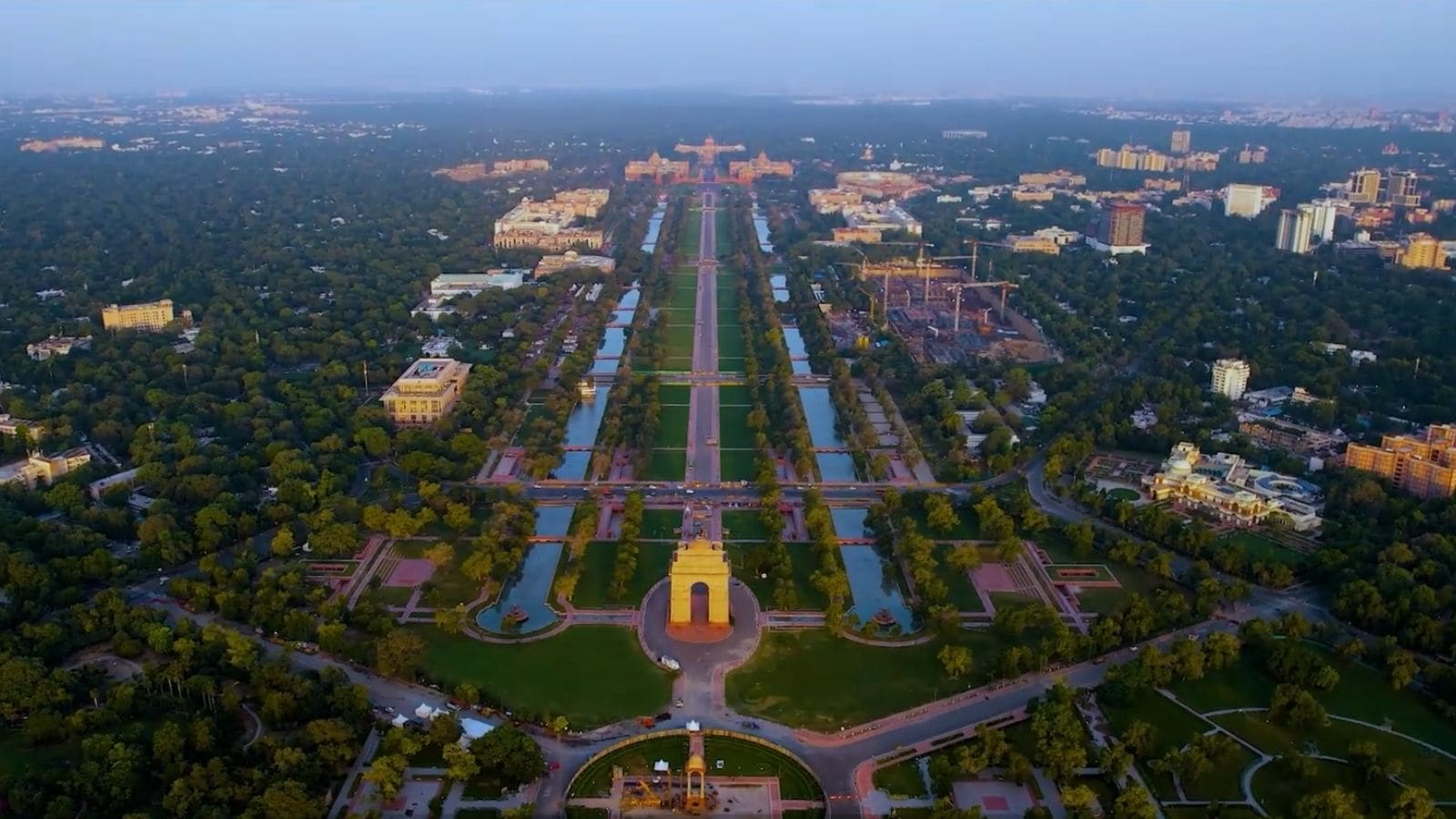
In a shocking revelation, the government has disclosed that a significant portion of trees transplanted for the Central Vista redevelopment project have not survived. According to official figures, 43% of the trees relocated for the project have perished, sparking concerns about the environmental impact of the initiative. The Central Vista project aims to revamp the area surrounding India’s parliamentary building, but the high tree transplantation fatality rate has raised questions about the execution and planning of the endeavor.
The Central Vista project is a major undertaking that seeks to transform the heart of India’s capital city. The redevelopment initiative involves the construction of new buildings, roads, and infrastructure, which has necessitated the transplantation of numerous trees. However, the process of relocating these trees has proven to be more challenging than anticipated, resulting in a substantial number of fatalities.
The government’s admission of the 43% tree transplantation fatality rate is a significant development in the ongoing Central Vista project saga. The revelation is likely to attract scrutiny from environmental groups and opposition parties, who have already expressed concerns about the project’s potential ecological impact. As the project continues to move forward, the government will likely face increased pressure to ensure that the remaining trees are protected and that the transplantation process is improved.
The tree transplantation process is a complex and delicate operation that requires careful planning and execution. The fact that nearly half of the transplanted trees have perished suggests that there may have been shortcomings in the process. The government will need to conduct a thorough review of the transplantation process to identify the causes of the high fatality rate and take corrective measures to prevent similar incidents in the future.
The Central Vista project has been a subject of controversy since its inception, with critics arguing that it will lead to the destruction of a significant portion of the city’s green cover. The government has maintained that the project will ultimately benefit the city and its residents, but the high tree transplantation fatality rate has dealt a blow to its credibility. As the project moves forward, the government will need to work hard to regain the trust of the public and demonstrate its commitment to environmental sustainability.
The government’s disclosure of the tree transplantation fatality rate is a welcome step towards transparency, but it also raises more questions than answers. The public will be eager to know what measures the government will take to address the issue and prevent similar incidents in the future. The Central Vista project is a significant undertaking that requires careful planning, execution, and monitoring to ensure that its benefits are not outweighed by its environmental costs.
As the situation continues to unfold, the government will face intense scrutiny from the public, media, and opposition parties. The tree transplantation fatality rate is a stark reminder of the challenges and complexities involved in large-scale redevelopment projects. The government will need to demonstrate its ability to learn from its mistakes and take corrective action to mitigate the environmental impact of the Central Vista project.
This article may be prepared with the assistance of artificial intelligence (AI) and is reviewed before publication. While we aim for accuracy and timeliness, readers should verify important facts from official or primary sources. If you believe any information is inaccurate or that any content infringes your rights, please contact ainewsbreaking.com for review and appropriate action.