
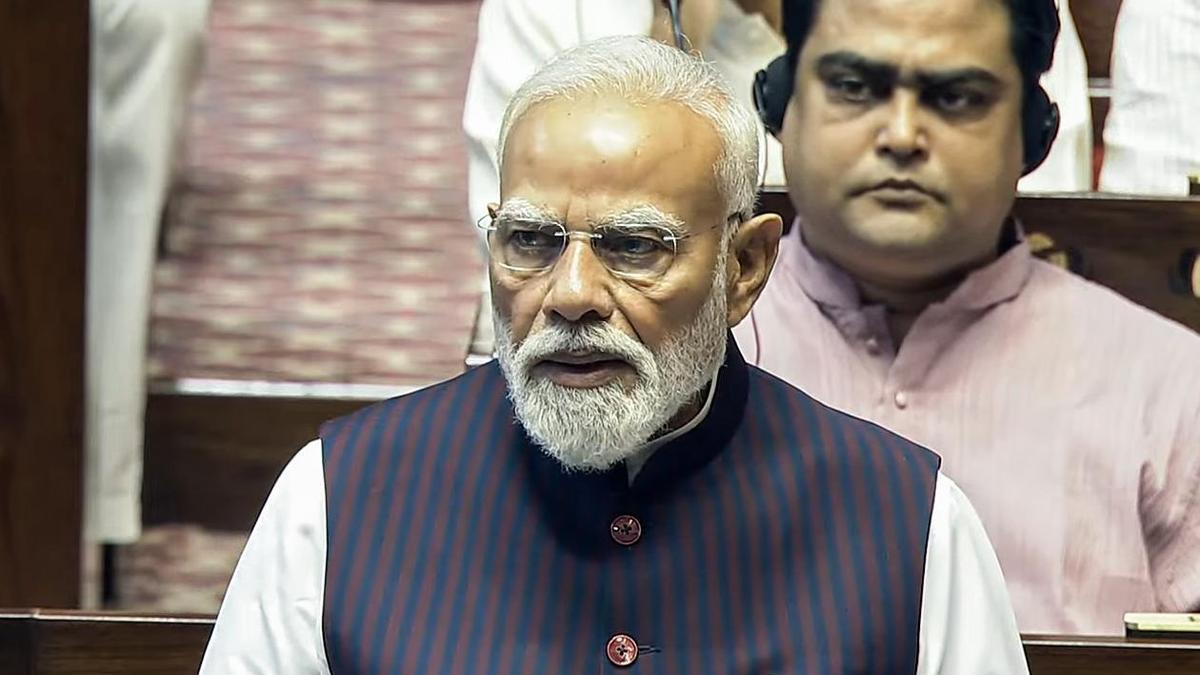
Government trying to procure gas, crude oil from all possible sources: PM Modi
PM Narendra Modi Assures India Securing Gas and Crude Oil from All Possible Sources
Amid intensifying geopolitical tensions in West Asia and rising concerns over disruptions in global energy supplies, Prime Minister Narendra Modi has assured the nation that the government is proactively working to secure gas and crude oil from “all possible sources” to safeguard India’s energy needs.
Addressing the situation at a critical juncture, the Prime Minister emphasized that India is closely monitoring developments in the conflict-hit region and has already initiated a series of strategic measures aimed at ensuring uninterrupted energy supplies. His statement comes against the backdrop of mounting fears of supply disruptions, particularly through key transit routes such as the Strait of Hormuz, a vital artery for global oil shipments.
Proactive Measures to Secure Energy Supplies
Highlighting the government’s preparedness, Prime Minister Narendra Modi stated that India is diversifying its energy procurement strategy to reduce dependence on any single region. The government is actively engaging with multiple international suppliers, including countries in Africa, the Americas, and other parts of Asia, to maintain a steady flow of crude oil and liquefied natural gas (LNG).
Officials in the petroleum ministry have reportedly been in constant touch with global energy producers and traders to explore alternative sourcing options. This includes negotiating spot cargoes, long-term supply agreements, and leveraging diplomatic channels to ensure priority access to energy resources.
India, which imports over 80% of its crude oil requirements, remains particularly vulnerable to geopolitical disruptions. Recognizing this, the government has accelerated efforts to strengthen supply chain resilience and mitigate risks arising from regional instability.
LPG and Fuel Supply Concerns Addressed
The Prime Minister’s assurance comes amid reports of a potential LPG shortage triggered by supply uncertainties in West Asia. LPG is a crucial household fuel for millions of Indian families, and any disruption could have widespread social and economic implications.
To address these concerns, the government has directed oil marketing companies to maintain adequate buffer stocks and streamline distribution networks. Emergency measures, including rerouting shipments and tapping into strategic reserves, are being implemented to prevent any supply crunch.
Authorities have also urged citizens to avoid panic buying or hoarding, reiterating that the situation is under control and that sufficient arrangements are in place to meet demand.
Strategic Importance of Diversification
The ongoing crisis has once again underscored the importance of diversifying India’s energy basket. Over the past few years, India has made significant strides in expanding its supplier base, importing crude oil from countries such as the United States, Brazil, and Russia in addition to traditional West Asian partners.
Prime Minister Narendra Modi noted that the government’s long-term vision includes reducing reliance on volatile regions by investing in renewable energy, boosting domestic production, and enhancing storage capacity. Initiatives such as the expansion of strategic petroleum reserves are being prioritized to provide a buffer against global supply shocks.
Energy experts believe that diversification not only enhances security but also strengthens India’s bargaining power in global markets, enabling better pricing and contract terms.
Economic Implications and Market Stability
The volatility in global oil prices triggered by the West Asia crisis has raised concerns about inflation and fiscal stability in India. A sustained increase in crude prices could lead to higher fuel costs, impacting transportation, manufacturing, and overall consumer prices.
The government is reportedly evaluating measures to cushion the impact on consumers, including potential adjustments in fuel taxes and subsidies. Maintaining a balance between fiscal discipline and consumer protection remains a key challenge.
Financial markets have also been reacting to the developments, with investors closely tracking crude price movements and their implications for the Indian economy. The rupee’s performance and inflation trajectory will be critical indicators in the coming weeks.
Diplomatic and Strategic Engagement
In addition to economic measures, India is actively engaging in diplomatic efforts to ensure stability in the region. The government is maintaining close communication with key global stakeholders and participating in international forums to advocate for de-escalation and peaceful resolution of conflicts.
India’s strategic position as a major energy consumer gives it a significant voice in global discussions on energy security. By leveraging diplomatic ties, the government aims to secure favorable arrangements and minimize disruptions.
Focus on Domestic Preparedness
Parallel to international efforts, the government is also strengthening domestic preparedness. This includes enhancing refining capacity, optimizing logistics infrastructure, and improving coordination among various stakeholders in the energy sector.
The role of public sector oil companies has been crucial in managing supply chains and ensuring last-mile delivery. Continuous monitoring and real-time data analysis are being used to anticipate potential disruptions and respond swiftly.
Public Reassurance and Policy Direction
Prime Minister Narendra Modi’s statement is aimed at reassuring citizens and markets that the government is fully prepared to handle the evolving crisis. By emphasizing proactive sourcing and strategic planning, the government seeks to instill confidence and prevent panic.
The current situation is also likely to influence future policy direction, with a renewed focus on energy independence and sustainability. Investments in solar, wind, and green hydrogen are expected to gain further momentum as India looks to reduce its dependence on imported fossil fuels.
This article may be prepared with the assistance of artificial intelligence (AI) and is reviewed before publication. While we aim for accuracy and timeliness, readers should verify important facts from official or primary sources. If you believe any information is inaccurate or that any content infringes your rights, please contact ainewsbreaking.com for review and appropriate action.