Gulf Nations Confront Shifting Landscape Amid Uncertain Ceasefire Outlook
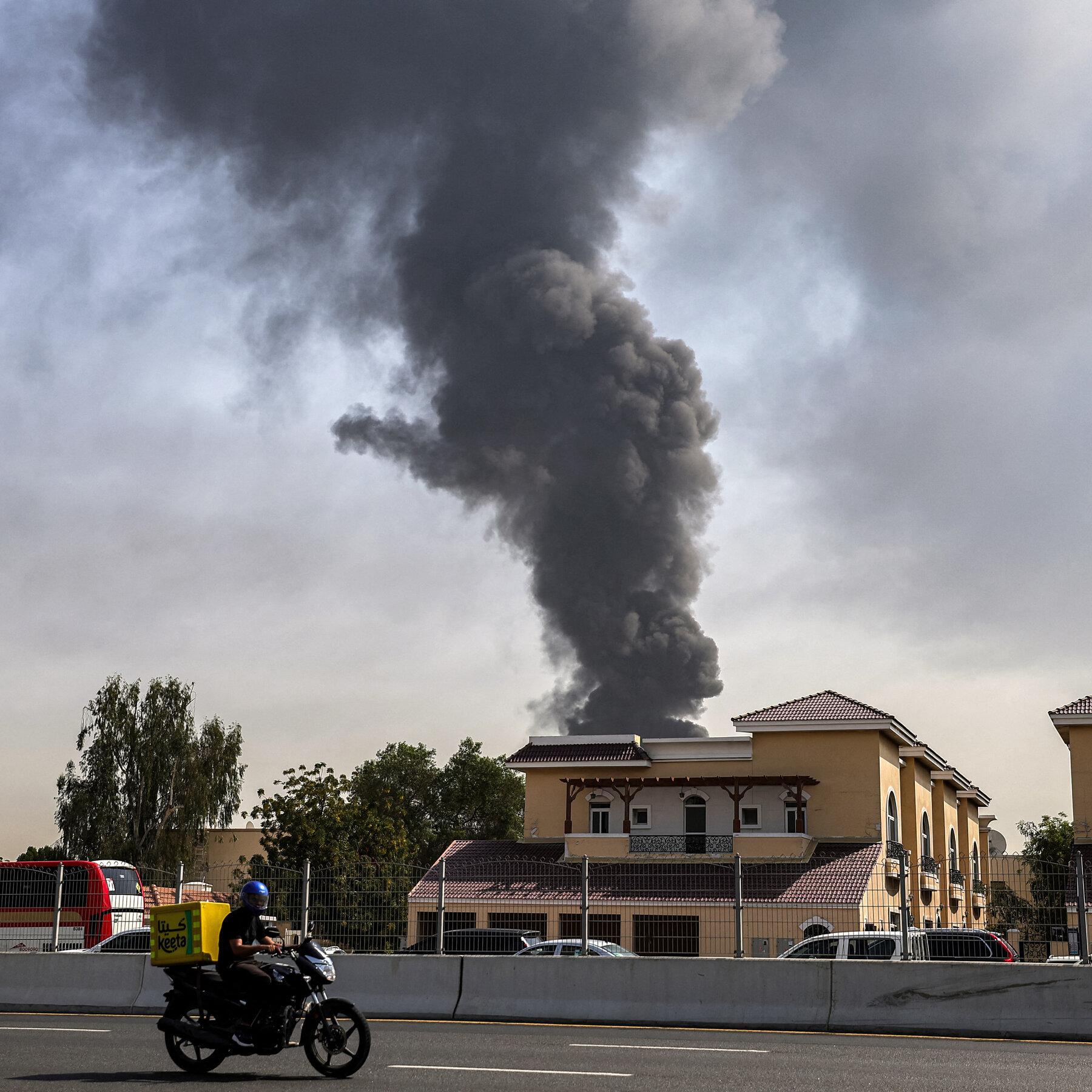
A recent conflict has left Gulf nations facing a new reality, one in which their relationships with key regional and global players will need to be reassessed. The war has laid bare the vulnerabilities of these countries, prompting a reevaluation of their alliances and diplomatic ties. As the region navigates the aftermath of the conflict, the fragile nature of a potential ceasefire hangs in the balance, leaving many to wonder what the future holds for the region.
The conflict has highlighted the complexities of the relationships between Gulf nations and other major players in the region, including Israel, Iran, and the United States. These relationships have long been shaped by a delicate balance of power and competing interests. However, the recent war has disrupted this balance, forcing Gulf nations to reconsider their positions and alliances.
At the heart of this reevaluation is the need for Gulf nations to strengthen their defenses and bolster their regional security. The war has exposed weaknesses in their military capabilities, making it clear that they must invest in modernizing their armed forces and enhancing their strategic partnerships. This will likely involve deeper cooperation with the United States and other Western countries, as well as a more nuanced approach to managing their relationships with Israel and Iran.
The United States, as a key player in the region, is likely to play a significant role in shaping the future of Gulf nations’ relationships with other countries. The US has long been a major ally of many Gulf states, providing military support and diplomatic backing. However, the recent conflict has also highlighted the limits of US power in the region, leaving Gulf nations to consider a more diversified range of alliances and partnerships.
As Gulf nations look to the future, they must also contend with the challenges posed by Iran, a regional power with significant influence in the Middle East. The relationship between Gulf nations and Iran is complex and often tense, with disagreements over issues such as trade, security, and regional politics. Finding a way to manage these tensions will be crucial to maintaining stability in the region.
The potential for a ceasefire to hold is uncertain, and Gulf nations are preparing for a range of possible outcomes. Whether the ceasefire holds or not, one thing is clear: the region will never be the same. The conflict has created a new reality, one in which Gulf nations must navigate a shifting landscape of alliances, rivalries, and competing interests.
In the coming weeks and months, Gulf nations will be watched closely as they navigate this new reality. Their decisions will have far-reaching implications for the region and beyond, shaping the course of regional politics and international relations for years to come. As the region moves forward, one thing is certain: the future of Gulf nations will be shaped by their ability to adapt to a rapidly changing world.
This article may be prepared with the assistance of artificial intelligence (AI) and is reviewed before publication. While we aim for accuracy and timeliness, readers should verify important facts from official or primary sources. If you believe any information is inaccurate or that any content infringes your rights, please contact ainewsbreaking.com for review and appropriate action.