
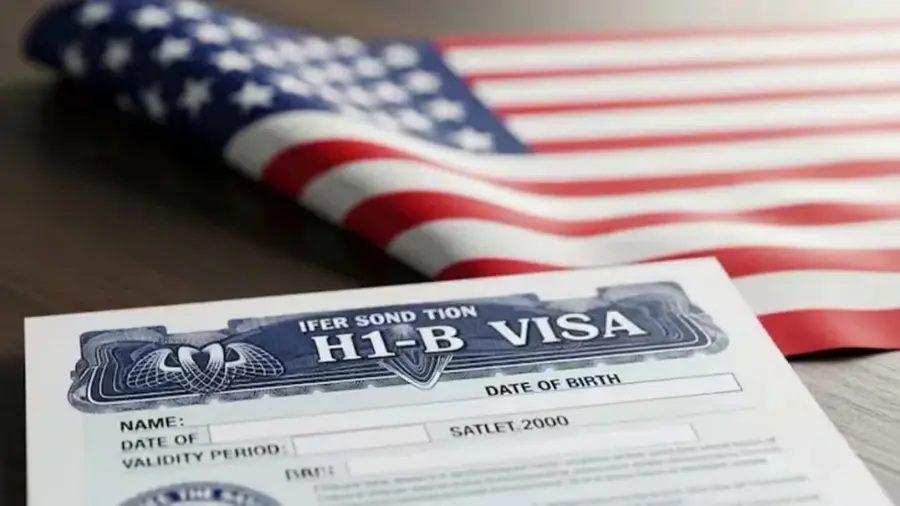
H-1B Visa Showdown: Expansion vs Restrictions vs Elimination
The U.S. H-1B visa program—long seen as a gateway for skilled foreign workers, especially from India—is now at the center of a fierce political and economic battle. In 2026, policymakers are pushing three sharply different directions, creating uncertainty for employers, workers, and global talent.
1. Expansion Push: Demand for Skilled Talent
Despite political backlash, many economists and tech leaders argue the U.S. actually needs more H-1B visas—not fewer.
- The current cap remains 65,000 visas + 20,000 for advanced degree holders
- Industries like healthcare and tech are increasingly dependent on foreign professionals
- Shortages—especially in healthcare—could worsen if H-1B intake drops
Why expansion supporters matter:
- Big Tech (AI, engineering, cloud computing)
- U.S. universities & startups
- Healthcare sector (doctors, researchers)
👉 Their argument:
Global talent = economic growth + innovation leadership
2. Restriction Wave: “America First” Tightening
The strongest momentum right now is toward tightening the program, driven by political pressure and labor concerns.
Major 2025–2026 changes:
- 💰 $100,000 visa fee for new H-1B applications
- 🎯 Shift from lottery → wage-based selection system
- 🔍 Stricter vetting & compliance checks
- 🚫 Ban on multiple registrations per applicant
Policy direction:
- Prioritize high-paid, highly skilled workers
- Reduce use of H-1B for lower-cost outsourcing roles
- Increase costs to discourage overuse
👉 Critics say:
- It could reduce hiring flexibility
- Smaller firms may be priced out
- Visa approvals could drop significantly
3. Elimination Proposals: The Radical Option
The most dramatic development:
👉 Bills introduced in Congress to completely end the H-1B program
Key example:
- 🇺🇸 EXILE Act (2026) proposes eliminating H-1B by 2027
Arguments from supporters:
- H-1B is allegedly used to:
- Replace U.S. workers with cheaper labor
- Outsource jobs indirectly
- Framed as a “national security and labor protection issue”
Reality check:
- The bill faces major political hurdles
- But signals a growing anti-H-1B sentiment
4. System Overhaul: Not Just Policy—A Structural Shift
Beyond expansion vs restriction, the entire system is being redesigned:
Key transformation:
- ❌ Old system: Random lottery
- ✅ New system: Merit/wage-weighted selection
Goal:
- Reward higher salaries and specialized skills
- Reduce “gaming” of the lottery system
5. Why This Matters (Especially for Indians)
- Indians make up ~70% of H-1B recipients (widely reported trend)
- Tech workers are the most affected group
- New rules could mean:
- Fewer approvals
- Higher salary thresholds
- More uncertainty in career planning
6. The Big Picture
The H-1B debate is no longer just about visas—it reflects a deeper conflict:
| Vision | Goal |
|---|---|
| Expansion | Win global talent race |
| Restriction | Protect domestic jobs |
| Elimination | End reliance on foreign labor |
Bottom Line
The H-1B program is undergoing its biggest transformation in decades:
- 🔺 Short-term: More restrictions, higher costs
- 🔄 Mid-term: Shift to merit-based selection
- ⚠️ Long-term: Possible structural overhaul—or even abolition debates
👉 The outcome will shape:
- Global migration patterns
- U.S. tech dominance
- Career paths for millions of skilled professionals
This article may be prepared with the assistance of artificial intelligence (AI) and is reviewed before publication. While we aim for accuracy and timeliness, readers should verify important facts from official or primary sources. If you believe any information is inaccurate or that any content infringes your rights, please contact ainewsbreaking.com for review and appropriate action.