Hakeem Jeffries Slams Donald Trump, Urges Him to ‘Keep His Reckless Mouth Shut’ Amid Escalating Political Tensions
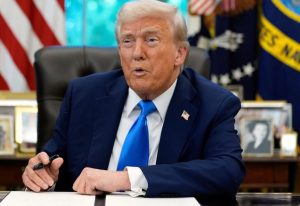
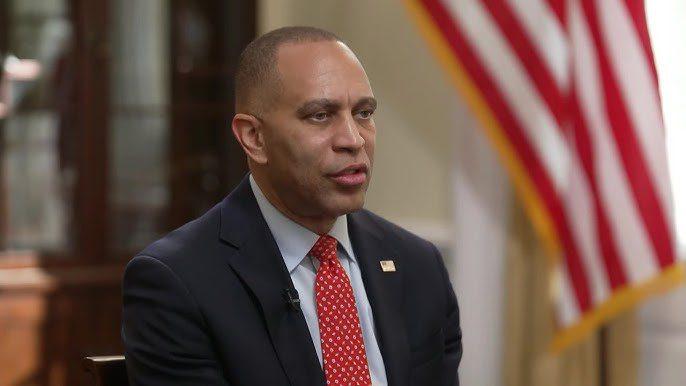
In a sharp escalation of political rhetoric in the United States, House Democratic Leader Hakeem Jeffries publicly rebuked former President Donald Trump, telling him to “keep his reckless mouth shut.” The remark has ignited a fresh wave of political confrontation, underscoring the deepening divisions within American politics at a time of heightened domestic and international tensions.
A Fiery Exchange in a Polarized Climate
The comments from Jeffries came during a press briefing in Washington, where he criticized Trump’s recent statements on national security and foreign policy. While Jeffries did not mince words, his statement reflects a broader frustration among Democratic leaders who accuse Trump of inflaming already volatile situations through his rhetoric.
Jeffries argued that Trump’s public remarks—particularly those related to ongoing global conflicts and U.S. strategic decisions—have the potential to undermine national unity and complicate diplomatic efforts. His use of the phrase “reckless mouth” marked one of the strongest verbal attacks by a senior Democratic leader against Trump in recent months.
The exchange is the latest example of how political discourse in the United States has become increasingly combative, especially as the country navigates multiple crises at home and abroad.
What Triggered Jeffries’ Remark?
Jeffries’ comment was reportedly in response to statements made by Trump regarding U.S. foreign policy and military strategy. Trump, who remains a dominant figure in Republican politics, has been vocal in criticizing the current administration’s handling of international conflicts, including tensions in the Middle East and relations with global powers.
In recent speeches and social media posts, Trump has taken a hardline stance, calling for aggressive actions and, at times, making controversial remarks about U.S. allies and adversaries alike. Critics argue that such statements risk escalating conflicts and sending mixed signals to the international community.
Jeffries, speaking on behalf of House Democrats, suggested that Trump’s rhetoric lacks the responsibility expected of a former president and could have real-world consequences.
Political Stakes Ahead of Elections
The clash between Jeffries and Trump comes at a politically sensitive time, with the United States heading toward another major election cycle. Trump is widely expected to play a central role, either as a candidate or as a key influencer within the Republican Party.
For Democrats, confronting Trump’s messaging has become a strategic priority. Jeffries’ strong language can be seen as part of an effort to draw a clear contrast between Democratic leadership and Trump-era politics.
Political analysts note that such exchanges are likely to intensify as the election approaches, with both parties seeking to mobilize their bases and shape public opinion.
A History of Tensions
This is not the first time Jeffries and Trump have clashed. Since becoming House Democratic Leader, Jeffries has frequently criticized Trump’s policies and statements, often framing them as harmful to democratic institutions and national stability.
Trump, in turn, has repeatedly attacked Democratic leaders, including Jeffries, accusing them of incompetence and partisan obstruction. The ongoing feud reflects broader partisan divides that have characterized U.S. politics in recent years.
The tone of these exchanges has raised concerns about the erosion of civility in political discourse, with critics on both sides calling for a more measured approach.
Reactions Across the Political Spectrum
Jeffries’ comment quickly drew reactions from across the political spectrum. Democratic supporters largely backed his stance, arguing that strong language is necessary to counter what they view as dangerous rhetoric from Trump.
Some Democrats praised Jeffries for speaking “truth to power,” while others emphasized the importance of holding public figures accountable for their words.
On the other hand, Republicans and Trump allies condemned Jeffries’ remark as inappropriate and disrespectful. They argued that such language contributes to political polarization and undermines the dignity of public office.
Trump himself has not hesitated to respond to criticism in the past, and it is widely expected that he will address Jeffries’ comment in upcoming speeches or online posts.
The Broader Context: Global and Domestic Challenges
The timing of this political clash is significant, as the United States faces a range of challenges both domestically and internationally. From economic concerns to global conflicts, the stakes for political leadership are particularly high.
In this context, the words of influential figures like Trump and Jeffries carry added weight. Statements made by political leaders can influence public opinion, shape policy debates, and even impact international relations.
Jeffries’ warning about “reckless” rhetoric reflects a concern that political messaging should be carefully calibrated, especially during times of crisis.
The Role of Media and Public Perception
Media coverage has played a key role in amplifying the exchange between Jeffries and Trump. The phrase “keep his reckless mouth shut” quickly became a headline, drawing widespread attention and sparking debate on social media.
Public reaction has been mixed, with some applauding Jeffries’ candor and others criticizing the tone of his remarks. The incident highlights the power of language in shaping political narratives and influencing public perception.
As the story continues to unfold, it is likely to remain a focal point in discussions about political communication and leadership.
Impact on U.S. Political Discourse
The confrontation between Jeffries and Trump is emblematic of a broader trend in American politics, where sharp rhetoric and personal attacks have become increasingly common.
While some argue that such language reflects the intensity of current political debates, others warn that it risks further dividing the country and undermining democratic norms.
Efforts to promote more constructive dialogue have faced significant challenges, as partisan loyalties and media dynamics often reward confrontational approaches.
Looking Ahead
As the political landscape continues to evolve, the exchange between Jeffries and Trump serves as a reminder of the high stakes involved in public communication.
With elections on the horizon and global challenges mounting, the tone and substance of political discourse will play a crucial role in shaping the future of the United States.
Whether this latest clash will lead to a broader shift in rhetoric or simply add to the ongoing cycle of confrontation remains to be seen.
This article may be prepared with the assistance of artificial intelligence (AI) and is reviewed before publication. While we aim for accuracy and timeliness, readers should verify important facts from official or primary sources. If you believe any information is inaccurate or that any content infringes your rights, please contact ainewsbreaking.com for review and appropriate action.