Hormuz Tensions Escalate: Trump’s Mixed Messages Fuel Uncertainty on Strait of Iran’s Vital Waterway
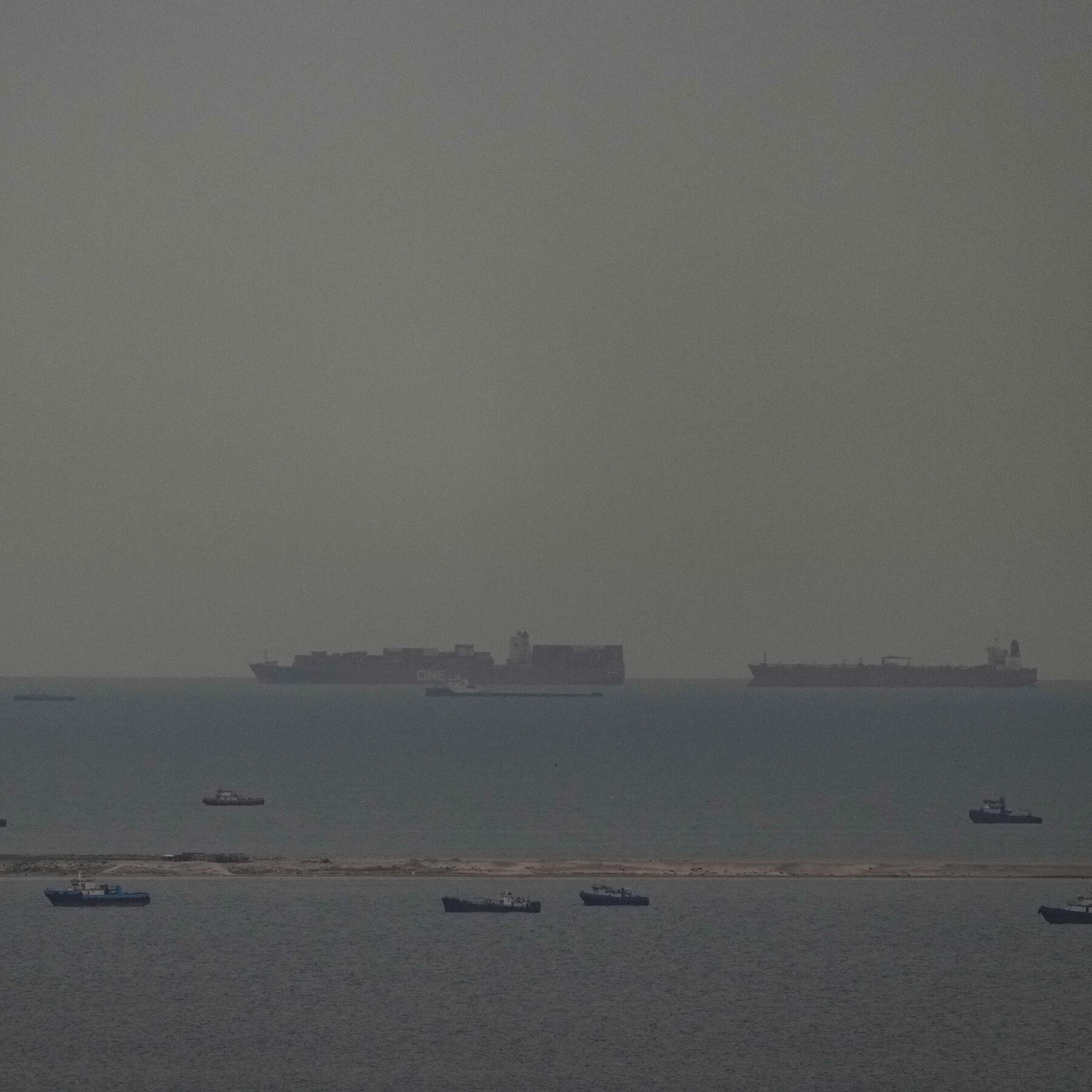
Tensions in the Strait of Hormuz, a crucial waterway for global oil supplies, have risen to new heights amidst conflicting statements from President Trump regarding the US-Iran conflict. In recent weeks, Trump’s remarks have left international observers puzzled, with implications for regional stability and global energy markets.
President Trump’s initial decision to call off a planned military strike against Iran’s key military targets in June sparked confusion and concern over the US government’s strategy in the Middle East. The sudden reversal of what appeared to be a long-planned military operation sent shockwaves through the international community, with various stakeholders struggling to understand the rationale behind the decision.
According to official reports, in the aftermath of Iranian forces downing a US drone on June 20, Trump was briefed on options for targeting Iranian military installations. Intelligence estimates suggested that the attacks could potentially kill approximately 150 Iranian personnel, although it is difficult to verify such estimates directly. The exact number may have played a factor in Trump’s final decision.
The situation remains volatile, with multiple incidents in the region in recent days and mounting pressure on world leaders for clear action. Iran has vowed to take further action against US interests if attacked, fueling fears of a wider conflict. Regional players, including key US allies, have been vocal about the need for clear strategic objectives in the region, with ongoing US-Iran tensions exacerbating existing tensions in the region.
The significance of the Strait of Hormuz to global energy markets cannot be overstated. Approximately 20% of the world’s oil is transported through this narrow, heavily trafficked waterway. Should tensions escalate into a full-blown conflict, the consequences for the global economy would be severe, with far-reaching implications for energy markets worldwide.
With diplomats scrambling to mediate a resolution to the crisis, US leaders are coming under fire for the apparent contradictions in their policy statements on the conflict. As tensions persist in the Strait of Hormuz, world leaders anxiously await a clear direction from the US on their stance regarding Iran.
This volatile standoff highlights the delicate nature of diplomacy in the Middle East, underscoring the need for consistent and transparent communication from world leaders in times of crisis.
This article may be prepared with the assistance of artificial intelligence (AI) and is reviewed before publication. While we aim for accuracy and timeliness, readers should verify important facts from official or primary sources. If you believe any information is inaccurate or that any content infringes your rights, please contact ainewsbreaking.com for review and appropriate action.