Houthis Fire on Israeli Targets, Warning of Further Escalation in Regional Conflict
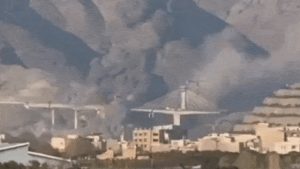
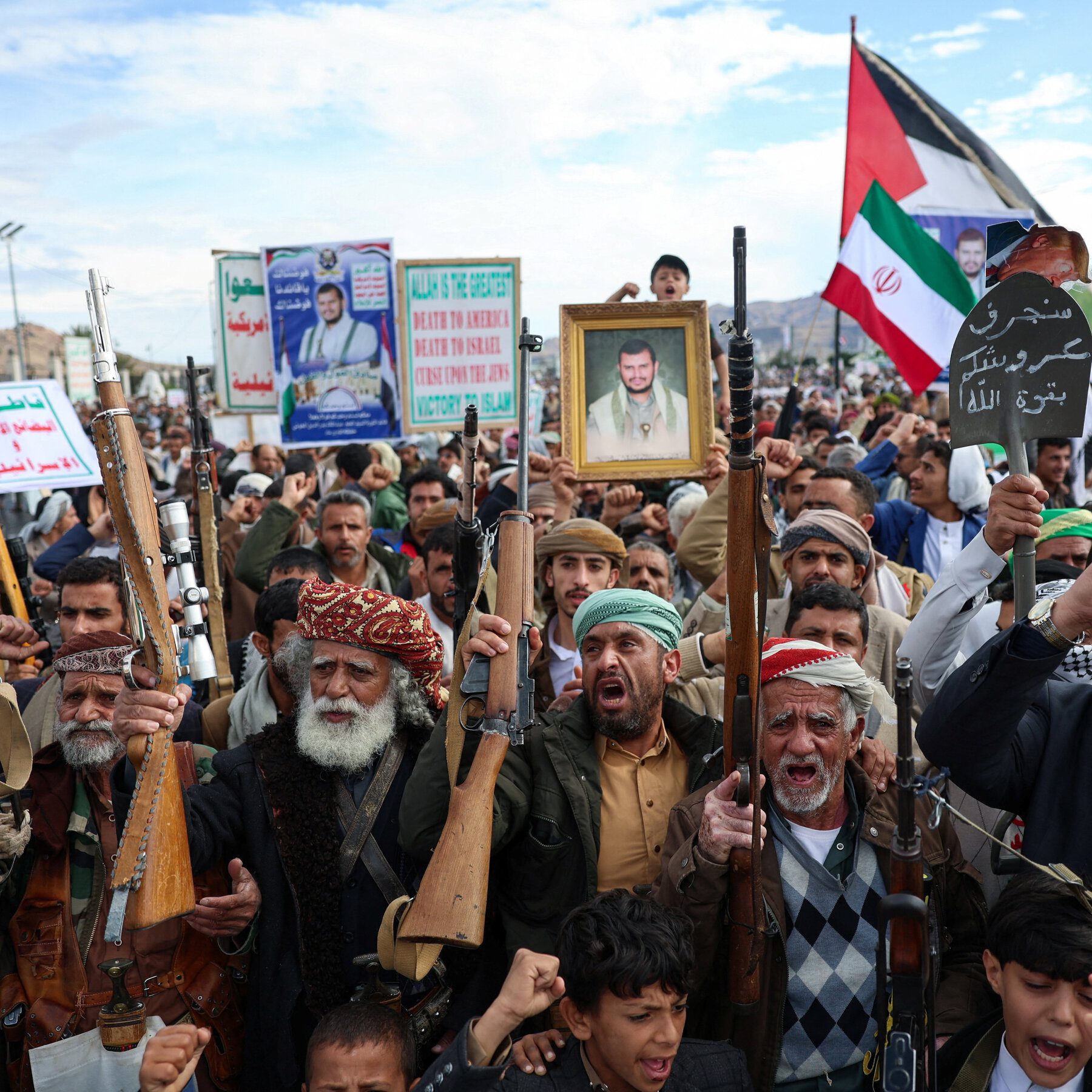
Yemen’s Houthi rebels, backed by Iran, launched a series of missile attacks against Israeli targets on Wednesday, escalating tensions in the region. The development marks a significant escalation of a conflict that has been simmering for years, with concerns mounting that the Houthis could seek to disrupt critical shipping lanes in the Red Sea.
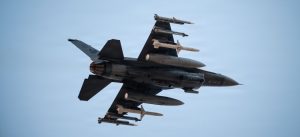
The attacks, which included missiles and drones, were directed at Israeli military facilities in the Negev Desert and other areas. In a statement, the Houthi rebels claimed responsibility for the attacks, vowing to continue their assault on Israeli targets. This latest development has raised concerns about the potential impact on global shipping and trade.
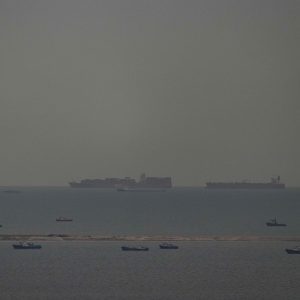
The Houthis, led by Abdul-Malik al-Houthi, have long been engaged in a conflict with the Saudi-led coalition in Yemen. Iran’s backing has significantly strengthened the group’s capabilities, and the threat they pose to regional security has grown exponentially. The Red Sea is a critical shipping lane, with thousands of vessels passing through its waters each year, carrying vital cargo, including oil and other essential commodities.
If the Houthis were to disrupt shipping in the Red Sea, it could have severe economic and humanitarian consequences for countries in the region and beyond. The United Nations has already warned of the potential risks, with the Organization for the Coordination of Humanitarian Affairs (OCHA) cautioning that any disruptions to shipping could exacerbate Yemen’s already dire humanitarian situation.
The Saudi-led coalition, in response to the Houthi attacks, has vowed to take decisive action to protect its interests and those of its allies in the region. This latest escalation in the conflict raises questions about the potential for regional instability, with implications for global security and the international community’s ability to maintain peace and stability in the Middle East.
As the situation continues to unfold, diplomats and analysts are closely watching developments, warning of the potential for a larger conflict. The international community must now take concrete steps to address the root causes of the conflict and work towards a peaceful resolution to prevent further escalation.
The situation is being closely monitored by international organizations, including the United Nations, which has been involved in efforts to broker a peace agreement between the warring parties. The Houthi attacks on Israel have sent shockwaves through the region, highlighting the urgent need for a diplomatic solution to this complex and deeply entrenched conflict.
This article may be prepared with the assistance of artificial intelligence (AI) and is reviewed before publication. While we aim for accuracy and timeliness, readers should verify important facts from official or primary sources. If you believe any information is inaccurate or that any content infringes your rights, please contact ainewsbreaking.com for review and appropriate action.