India and Sri Lanka Unite to Mitigate West Asia Conflict’s Far-Reaching Consequences
India, Sri Lanka Discuss Repercussions of Escalating West Asia Conflict
Amid intensifying geopolitical tensions in West Asia, India and Sri Lanka have stepped up diplomatic engagement to assess and respond to the far-reaching consequences of the ongoing conflict. The discussions come at a critical juncture when the crisis—triggered by escalating hostilities involving Iran, the United States, and Israel—has begun to significantly disrupt global energy supplies, trade routes, and economic stability, particularly across South Asia.
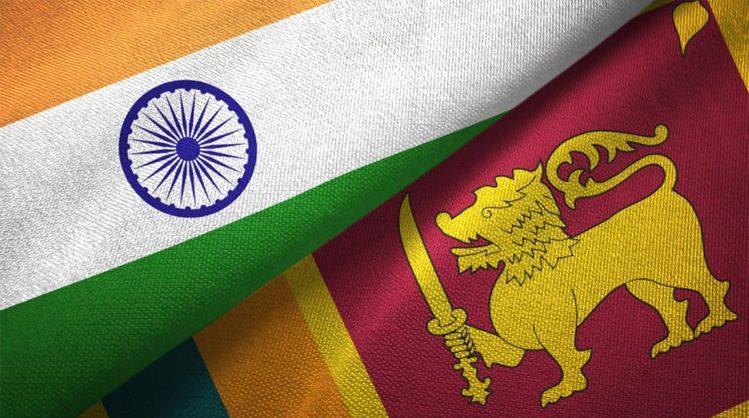
According to reports from Daily Mirror, India’s External Affairs Minister S. Jaishankar held talks with Sri Lanka’s Foreign Minister Vijitha Herath to evaluate the immediate and long-term repercussions of the conflict.
The high-level dialogue underscores growing regional concerns about energy security, economic vulnerability, and geopolitical stability as the crisis continues to evolve rapidly.
Rising West Asia Tensions and Global Shockwaves
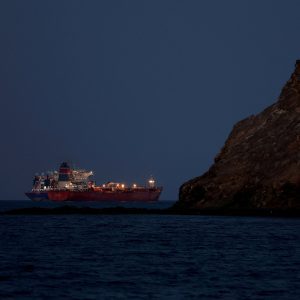
The ongoing conflict in West Asia has triggered one of the most severe global crises in recent years. Key maritime routes such as the Strait of Hormuz—through which a substantial portion of the world’s oil supply passes—have been disrupted, leading to a sharp spike in oil prices and supply shortages.
Recent developments suggest that the scale of disruption has surpassed even historical oil crises. Global energy markets have been shaken, with millions of barrels of oil supply affected daily and widespread damage to energy infrastructure across multiple countries.
For countries like India and Sri Lanka, which are heavily dependent on imported oil and gas, the consequences are particularly severe.
Energy Security at the Center of India–Sri Lanka Talks
Energy security has emerged as the most pressing concern in bilateral discussions between India and Sri Lanka.
Sri Lanka, still recovering from its devastating 2022 economic crisis, is once again facing acute fuel shortages. The government has already taken emergency steps, including:
- Approving spot purchases of fuel to address supply gaps
- Implementing fuel rationing measures
- Prioritizing essential sectors such as agriculture and fisheries
In addition, the country has introduced extraordinary measures like a four-day workweek to conserve energy and manage dwindling reserves.
Fuel prices in Sri Lanka have also surged sharply, rising by approximately 25% within a short period due to global supply disruptions.
India, while relatively better positioned, is also grappling with disruptions in liquefied petroleum gas (LPG) supply chains. A significant portion of India’s LPG imports passes through the Strait of Hormuz, making it highly vulnerable to geopolitical instability in the region.
The bilateral discussions, therefore, focused heavily on ensuring uninterrupted energy supplies, exploring alternative sourcing strategies, and enhancing regional cooperation.
Economic Fallout: Trade and Supply Chain Disruptions
Beyond energy, the West Asia conflict is severely impacting trade and supply chains across South Asia.
India’s export sectors, particularly rice exports, have already been hit hard. Shipments to several countries—including Sri Lanka—have been delayed or halted entirely due to logistical disruptions and uncertainty in global shipping routes.
For Sri Lanka, which relies heavily on imports for essential goods and fuel, the disruption has compounded existing economic challenges. Rising import costs, currency pressure, and inflation risks are now major concerns.
India and Sri Lanka are also exploring ways to strengthen regional trade corridors and reduce dependence on volatile routes affected by the conflict. Efforts are underway to streamline trade with neighboring South Asian countries to mitigate the impact of global instability.
Geopolitical and Strategic Concerns
The conflict has not only economic but also strategic implications for India and Sri Lanka.
Sri Lanka has maintained a delicate neutral stance amid the crisis. Notably, it recently declined requests from both the United States and Iran for military access, emphasizing its commitment to neutrality and regional stability.
This balancing act reflects Sri Lanka’s strategic importance in the Indian Ocean region—a key maritime zone for global trade and military movements.
India, on the other hand, is closely monitoring developments due to its broader geopolitical interests. The Indian Ocean has become increasingly significant in the context of global power competition, and any escalation in nearby regions directly affects India’s security calculus.
The sinking of an Iranian naval vessel near Sri Lankan waters earlier in March further highlighted the proximity of the conflict to South Asia and raised concerns about maritime security.
Humanitarian and Regional Stability Concerns
Another critical aspect of the India–Sri Lanka discussions revolves around humanitarian challenges.
The ongoing conflict has already led to:
- Civilian casualties in affected regions
- Displacement of populations
- Increased global uncertainty
At the same time, economic hardships in South Asia—such as rising fuel prices, shortages of essential goods, and job losses—are adding to the burden on ordinary citizens.
In India, long queues for LPG cylinders and rising black-market prices highlight the severity of the crisis at the grassroots level.
Sri Lanka, similarly, faces the risk of renewed social unrest if the economic situation deteriorates further.
Strengthening Bilateral Cooperation
The talks between India and Sri Lanka signal a broader effort to strengthen bilateral cooperation in the face of shared challenges.
Key areas of cooperation discussed include:
- Energy collaboration: Exploring joint procurement and supply mechanisms
- Trade facilitation: Reducing barriers and improving logistics
- Maritime security: Enhancing coordination in the Indian Ocean
- Crisis management: Sharing intelligence and strategic assessments
The two nations share deep historical, cultural, and economic ties, and their cooperation is crucial for maintaining stability in the region.
Regional and Global Implications
The India–Sri Lanka dialogue reflects a wider trend of countries reassessing their strategies in response to the West Asia crisis.
Across Asia, governments are taking emergency measures to deal with rising energy costs and supply disruptions. Countries like Bangladesh and Pakistan have introduced austerity measures, while others are seeking alternative fuel suppliers.
The crisis has also underscored the vulnerability of global supply chains and the need for diversification and resilience.
The Road Ahead
As the West Asia conflict shows no signs of immediate resolution, India and Sri Lanka are likely to continue close coordination.
The situation remains fluid, with potential risks including:
- Further escalation of military tensions
- Prolonged disruption of energy supplies
- Increased economic instability in South Asia
For both countries, proactive diplomacy, regional cooperation, and strategic planning will be essential to navigate the challenges ahead.
This article may be prepared with the assistance of artificial intelligence (AI) and is reviewed before publication. While we aim for accuracy and timeliness, readers should verify important facts from official or primary sources. If you believe any information is inaccurate or that any content infringes your rights, please contact ainewsbreaking.com for review and appropriate action.