US Launches ‘Section 301’ Tariff Investigations on 16 Trade Partners Including India and China Amid Renewed Trade Tensions
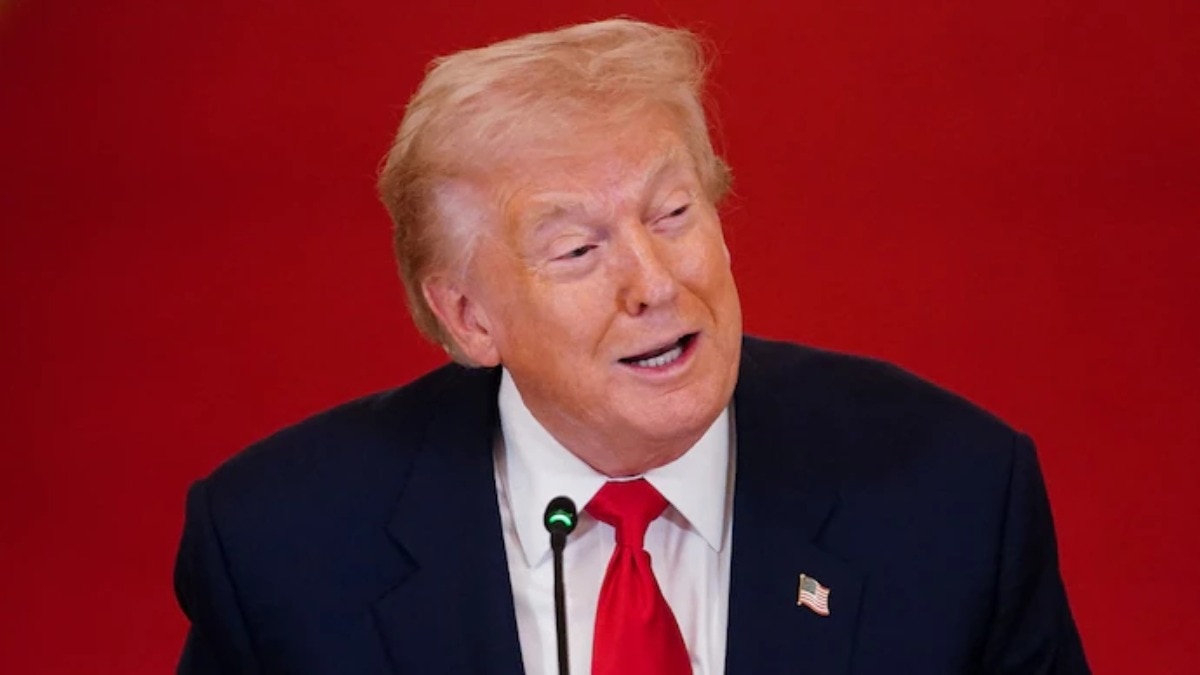
The United States has launched a fresh round of trade investigations targeting 16 major trading partners, including India and China, in a move that could potentially reignite global trade tensions. The investigations were initiated by the administration of former US President Donald Trump, invoking Section 301 of US trade law to examine alleged unfair trade practices by key international partners.
This latest development signals Washington’s renewed effort to impose tariffs after earlier attempts were struck down by the US Supreme Court, which ruled last month that certain tariffs introduced during previous trade actions were illegal. By initiating new investigations under Section 301, the US government is seeking to re-establish legal grounds for trade penalties and restore pressure on trading partners it believes engage in discriminatory or unfair economic practices.
The probe affects several important economies that maintain significant trade relationships with the United States, and it could have wide-ranging implications for global trade dynamics, international supply chains, and diplomatic relations.
What Is Section 301 and Why It Matters
Section 301 of the US Trade Act of 1974 is a powerful legal tool that allows the United States government to investigate and respond to foreign trade practices deemed unfair, discriminatory, or harmful to American businesses.
Under this law, the US government can impose tariffs, trade restrictions, or other penalties if an investigation concludes that another country’s policies or practices negatively affect US commerce.
Section 301 became widely known during the US-China trade war that began in 2018 when Washington imposed sweeping tariffs on hundreds of billions of dollars’ worth of Chinese imports. Those tariffs triggered retaliatory measures from Beijing and sparked one of the largest trade conflicts in modern economic history.
The new investigations appear to be an attempt to revive that strategy, potentially opening the door for additional tariffs against multiple countries simultaneously.
Why the US Is Launching These Investigations
The Trump administration’s decision to launch new Section 301 probes follows a significant legal setback earlier this year. The US Supreme Court invalidated a set of tariffs imposed during previous trade actions, ruling that the administration had exceeded its legal authority when introducing them.
With the earlier tariffs effectively struck down, the administration is now attempting to rebuild the legal framework required to impose new trade restrictions. By conducting fresh investigations, the US government can collect evidence and formally determine whether trading partners are engaging in practices that violate international trade norms or disadvantage American industries.
Officials argue that these investigations are necessary to ensure fair competition and protect American workers, manufacturers, and businesses from practices that distort global markets.
Countries Under Investigation
The probes target 16 major trading partners of the United States. Among them are several of the world’s largest economies and key US allies.
Countries reportedly included in the investigation list include:
- India
- China
- Several Asian trading partners
- European economies
- Other major exporters to the US market
India and China stand out because both countries maintain large trade surpluses with the United States and have long been under scrutiny for trade practices that Washington considers problematic.
China has frequently been accused by US officials of intellectual property theft, forced technology transfer, and heavy state subsidies for domestic industries. India, meanwhile, has faced criticism from Washington over tariff barriers, digital trade policies, and restrictions affecting American technology and agricultural exports.
Potential Impact on India
For India, the launch of a Section 301 investigation could introduce uncertainty in bilateral trade relations with the United States.
The United States is one of India’s largest trading partners and an important export destination for sectors such as:
- Pharmaceuticals
- Information technology services
- Engineering goods
- Textiles and apparel
- Gems and jewelry
If the investigation leads to tariffs on Indian exports, it could affect specific sectors that depend heavily on the US market.
However, analysts note that investigations do not automatically lead to tariffs. The process typically involves months of research, hearings, and negotiations before any final action is taken.
India has historically engaged in diplomatic discussions with Washington to resolve trade disputes, and similar negotiations may take place again if the probe escalates.
Implications for China
China is likely to face the most intense scrutiny among the countries under investigation.
The US-China trade relationship has been a major point of friction for years. During Trump’s presidency, Washington imposed tariffs on roughly $370 billion worth of Chinese imports, prompting Beijing to retaliate with its own tariffs on American goods.
Although the two countries reached a partial “Phase One” trade agreement in 2020, many structural disputes between the world’s two largest economies remain unresolved.
A new Section 301 investigation could potentially reopen the trade conflict and lead to another round of tariffs if the US determines that Chinese trade practices continue to harm American industries.
Such an outcome could significantly impact global markets and supply chains.
Global Trade Tensions May Rise Again
The launch of investigations into multiple countries simultaneously raises concerns about a possible resurgence of global trade tensions.
Tariffs imposed under Section 301 typically trigger retaliatory measures from affected countries, which can escalate into broader trade disputes.
For multinational companies and global supply chains, such tensions create uncertainty. Businesses may need to adjust sourcing strategies, diversify production locations, or absorb higher costs associated with tariffs.
Industries that rely on international trade—such as manufacturing, electronics, agriculture, and technology—are particularly vulnerable to such disruptions.
Reaction From Global Markets
Financial markets tend to react quickly to developments related to trade policy.
Historically, announcements of tariffs or trade investigations have triggered volatility in global equity markets, currency movements, and commodity prices.
Investors worry that trade restrictions could slow global economic growth by reducing cross-border commerce and increasing costs for businesses.
If the Section 301 probes ultimately result in new tariffs, markets may respond with heightened volatility as investors reassess risks in global trade and supply chains.
Diplomatic Negotiations Likely
Despite the aggressive tone implied by the investigations, trade experts believe diplomatic negotiations will likely play a significant role in determining the final outcome.
Section 301 investigations often lead to negotiations between the United States and the targeted countries before tariffs are imposed.
Governments may attempt to address US concerns through policy adjustments, market access improvements, or trade concessions.
In many cases, such negotiations can prevent full-scale trade disputes while allowing the US administration to claim progress in protecting domestic industries.
The Political Context Behind the Move
Trade policy has long been a central element of Donald Trump’s economic agenda. Throughout his political career, Trump has advocated a more protectionist approach to trade, arguing that previous agreements allowed foreign competitors to take advantage of the United States.
By launching these new investigations, the administration is reinforcing its commitment to confronting what it considers unfair trade practices.
The move also carries political implications, as trade policy often resonates strongly with manufacturing communities and labor groups concerned about job losses linked to globalization.
Possible Outcomes of the Investigation
The Section 301 investigation process typically unfolds in several stages:
- Initial Review – US trade officials analyze complaints and determine whether there is sufficient evidence to launch a formal investigation.
- Public Consultation – Businesses, industry groups, and experts may provide testimony or written submissions.
- Economic Analysis – Authorities examine how the alleged trade practices affect US industries.
- Negotiations – The United States may engage in discussions with the targeted countries to resolve disputes.
- Final Decision – If concerns remain unresolved, tariffs or other trade restrictions may be imposed.
The entire process can take several months or longer.
What Happens Next
In the coming weeks, the US government will begin gathering information related to the trade practices of the targeted countries. Public hearings and consultations with industry stakeholders are expected to take place as part of the investigation.
During this period, affected governments—including India and China—will likely monitor developments closely and may begin diplomatic engagement with Washington to address concerns.
Global businesses and investors will also be watching the situation carefully, as the outcome could influence trade policies, market conditions, and economic relationships across multiple regions.
This article may be prepared with the assistance of artificial intelligence (AI) and is reviewed before publication. While we aim for accuracy and timeliness, readers should verify important facts from official or primary sources. If you believe any information is inaccurate or that any content infringes your rights, please contact ainewsbreaking.com for review and appropriate action.