India Condemns Pakistan Over Kabul Hospital Strike, Calls It “Cowardly and Unconscionable” Amid Rising Regional Tensions
India has strongly condemned Pakistan following a devastating airstrike in Kabul, calling it a “cowardly and unconscionable act of violence” that targeted civilians and violated international norms. The sharp reaction from New Delhi comes amid rising regional tensions after reports that a major medical facility in Afghanistan’s capital was struck, leading to massive casualties.
India’s Strong Reaction to Kabul Strike
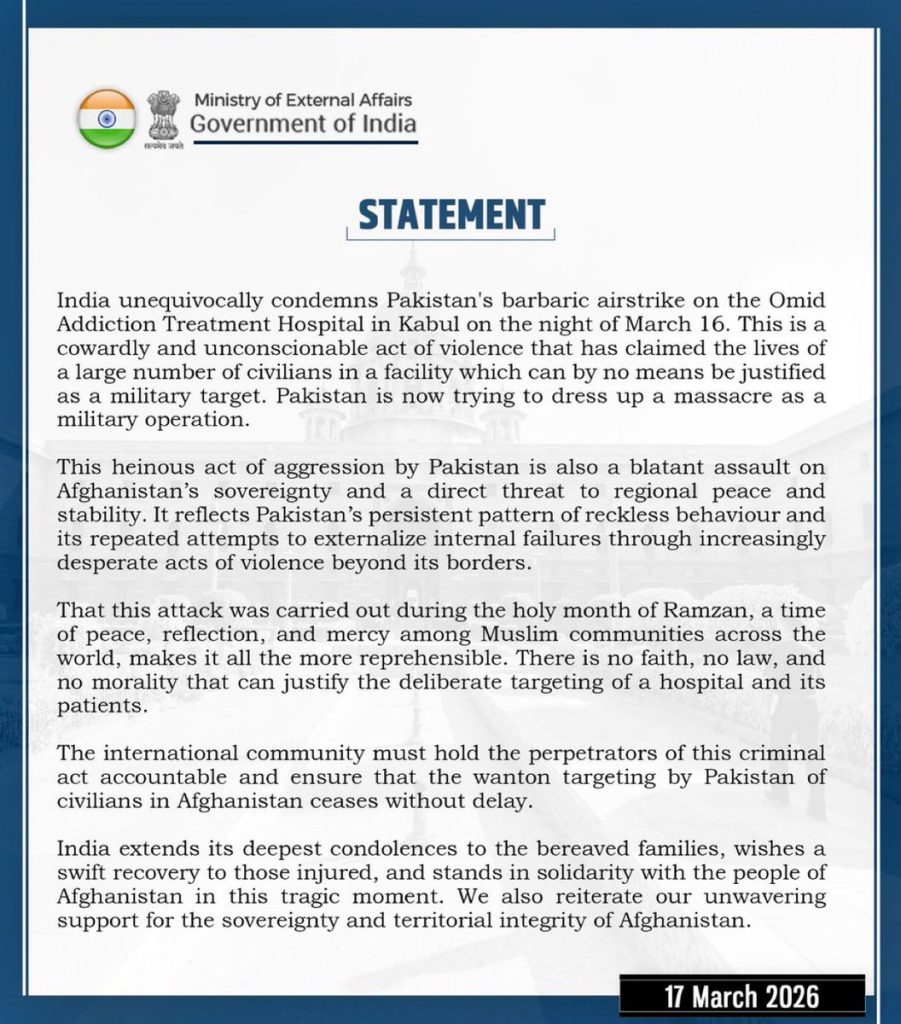
India’s Ministry of External Affairs (MEA) issued a scathing statement, denouncing the attack as a blatant violation of international humanitarian law and Afghanistan’s sovereignty. Officials emphasized that targeting civilian infrastructure—especially hospitals—is unacceptable under any circumstances.
According to reports, India described the strike as an attempt to “dress up a massacre as a military operation,” signaling deep concern over the nature of the attack and its humanitarian consequences.
New Delhi reiterated that such actions undermine regional stability and called on the international community to hold those responsible accountable.
What Happened in Kabul?
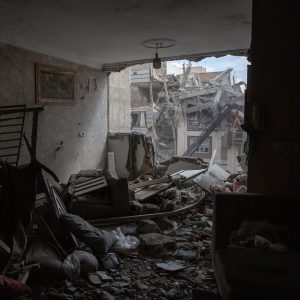
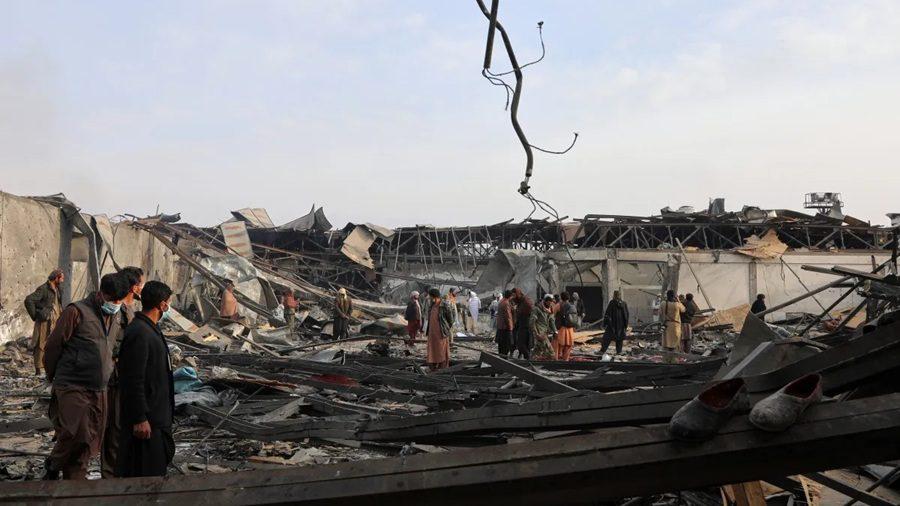
The airstrike reportedly hit a drug rehabilitation hospital in Kabul, causing catastrophic damage and a high number of casualties. Afghan authorities claim that over 400 people may have been killed and hundreds injured, making it one of the deadliest incidents in the ongoing conflict.
The hospital, which housed around 2,000 patients, was largely destroyed in the attack, according to local officials.
However, Pakistan has denied targeting civilians, asserting that its strikes were aimed at terrorist infrastructure and militant groups operating from Afghan territory.
This conflicting narrative has further complicated the situation, with both sides accusing each other of misinformation.
Escalating Afghanistan–Pakistan Conflict
The Kabul strike is part of a broader escalation in tensions between Afghanistan and Pakistan. Relations between the two countries have deteriorated sharply in recent months due to:
- Cross-border militant attacks
- Accusations of harboring insurgent groups
- Military retaliation along the Durand Line
Pakistan has repeatedly claimed that Afghan territory is being used by militant groups such as the Pakistani Taliban, while Afghanistan denies these allegations and accuses Islamabad of violating its sovereignty.
The conflict has intensified to the point where Pakistan previously declared a state of “open war” following earlier strikes on Afghan cities.
India’s Broader Stand
India has consistently taken a firm stance on the issue, emphasizing:
- Respect for Afghanistan’s sovereignty and territorial integrity
- Protection of civilian lives and infrastructure
- Adherence to international law and UN Charter principles
Indian officials have previously described similar strikes as a “flagrant violation of international law” and criticized Pakistan for actions that harm civilians, particularly during sensitive periods like Ramadan.
At global forums, including the United Nations, India has reiterated that such military actions are destabilizing and unacceptable.
Global Reactions and Outrage
The Kabul strike has triggered widespread condemnation beyond India:
- Afghan authorities labeled it a “crime against humanity”
- Public figures, including Afghan cricketer Rashid Khan, called the attack “sickening”, especially during Ramadan
- International observers have expressed concern over civilian casualties and rising instability
The United Nations and other global bodies are under pressure to investigate the incident and push for accountability.
Humanitarian Concerns Grow
The scale of destruction has raised alarm among humanitarian organizations. Hospitals and medical facilities are protected under international law, and any attack on them is considered a serious violation.
Key concerns include:
- Massive civilian casualties
- Overburdened healthcare infrastructure
- Displacement of affected families
- Risk of further escalation into a wider regional conflict
Rising Regional Instability
This incident has broader geopolitical implications:
- Increased tension between South Asian nations
- Risk of prolonged military confrontation
- Potential involvement of global powers
- Impact on counter-terrorism efforts in the region
India’s strong condemnation also reflects its strategic interest in maintaining stability in Afghanistan and preventing further escalation that could affect the wider region.
This article may be prepared with the assistance of artificial intelligence (AI) and is reviewed before publication. While we aim for accuracy and timeliness, readers should verify important facts from official or primary sources. If you believe any information is inaccurate or that any content infringes your rights, please contact ainewsbreaking.com for review and appropriate action.