India Diversifies Energy Imports Amid LPG Shortage, Government Scrambles to Mitigate Crisis
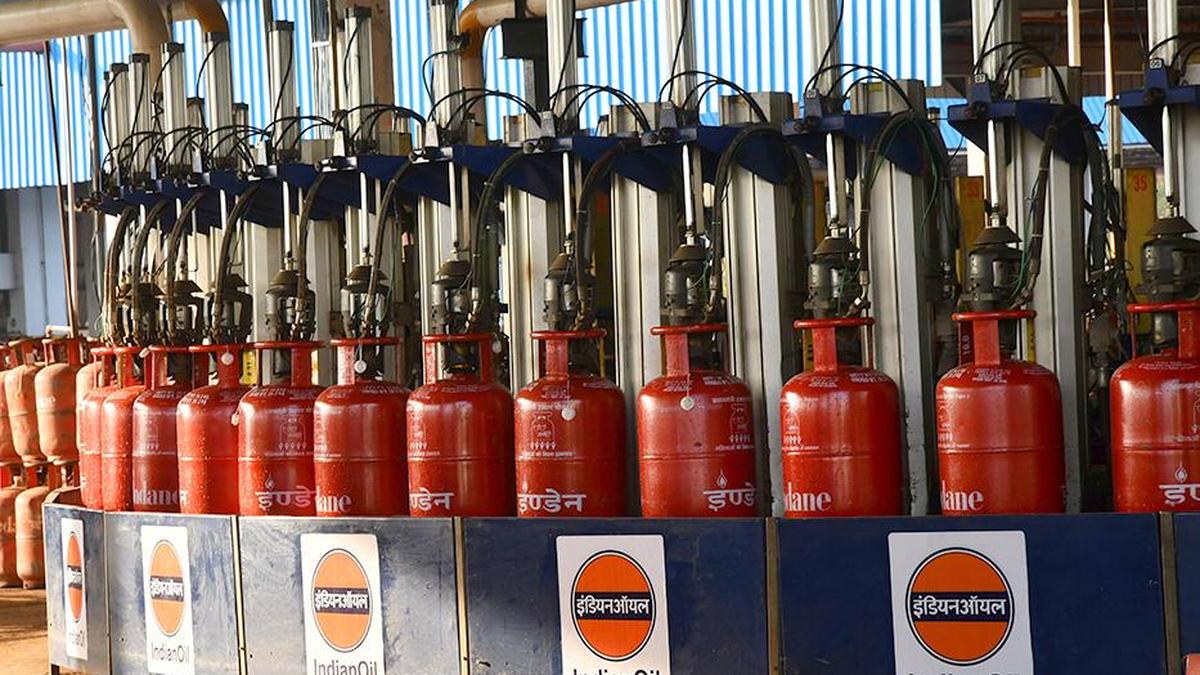
The Indian government has initiated emergency measures to address the severe shortage of Liquefied Petroleum Gas (LPG) and other petroleum products, a senior Oil Ministry official revealed. As the country grapples with the crisis, alternative sources of crude oil and Liquefied Natural Gas (LNG) are being explored to supplement the dwindling supplies. This development comes amidst sharp criticism from opposition leaders, including West Bengal Chief Minister Mamata Banerjee and Delhi Chief Minister Arvind Kejriwal, who have lambasted the Centre for its handling of the situation.
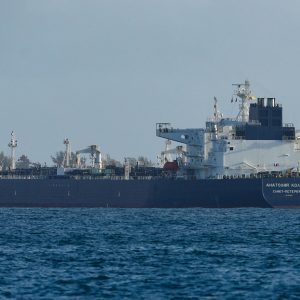
According to the Oil Ministry official, efforts are underway to diversify India’s energy imports, with a focus on securing supplies from alternative sources. This strategic move aims to reduce the country’s dependence on traditional suppliers and mitigate the impact of the ongoing shortage. The official noted that the government is working closely with state-owned oil companies to identify new sources of crude oil and LNG, which will help to augment the domestic supply of LPG and other petroleum products.
The LPG shortage has sparked a nationwide outcry, with many households and commercial establishments struggling to access this essential fuel. The situation has been further exacerbated by the ongoing geopolitical tensions, which have disrupted global energy supplies and sent prices soaring. In this context, the government’s decision to explore alternative sources of energy is being seen as a pragmatic step to address the crisis and ensure a stable supply of LPG and other petroleum products.
Mamata Banerjee, the Chief Minister of West Bengal, has been vocal in her criticism of the Centre’s handling of the situation. She argued that the government should have taken proactive steps to build adequate reserves of cooking gas and petroleum products, which would have helped to mitigate the impact of the shortage. Banerjee’s comments reflect the growing frustration among opposition leaders, who feel that the Centre has been caught off guard by the crisis and is now scrambling to respond.
Arvind Kejriwal, the Chief Minister of Delhi, has also joined the chorus of criticism, accusing the Centre of mishandling the situation. Kejriwal claimed that the LPG shortage is a result of the government’s ineptitude and lack of planning, which has left millions of households without access to this essential fuel. The Delhi Chief Minister’s comments have sparked a bitter war of words with the Centre, which has defended its handling of the crisis and argued that it is working tirelessly to address the shortage.
As the situation continues to unfold, the government is facing increasing pressure to deliver a credible solution to the LPG shortage. With the opposition parties upping the ante, the Centre will need to demonstrate its ability to manage the crisis and restore a stable supply of LPG and other petroleum products. The ongoing efforts to diversify India’s energy imports and secure supplies from alternative sources are a step in the right direction, but much more needs to be done to address the crisis and prevent similar shortages in the future. Ultimately, the government’s response to the LPG shortage will be a litmus test of its ability to manage the country’s energy security and respond to emerging crises.
This article may be prepared with the assistance of artificial intelligence (AI) and is reviewed before publication. While we aim for accuracy and timeliness, readers should verify important facts from official or primary sources. If you believe any information is inaccurate or that any content infringes your rights, please contact ainewsbreaking.com for review and appropriate action.